



Key Market Indicators
- •Liquidity Turning Point: Rate cuts and a pause in Quantitative Tightening signal liquidity returning, but market sentiment remains cautious. Early easing does not guarantee an instant crypto rally.
- •Bitcoin Recovering From 10/11 Shock: Bitcoin is stabilizing after the October 11th Black Swan event, but momentum remains weak. The market seeks confirmation of a trend reversal.
- •Altcoin Rotation Starting, Not Full Season Yet: Some funds are rotating into altcoins, but a broad altcoin season requires stronger BTC stability and clearer macro tailwinds.
Liquidity is gradually returning as rate cuts and a pause in Quantitative Tightening ease conditions, but market sentiment remains cautious. Bitcoin is stabilizing after the October 11th shock yet lacks strong momentum. Early rotation into altcoins has begun, but a full alt season still requires stronger BTC stability and clearer macro tailwinds.
October 11th Market Liquidity Wipeout: Is It Still a Bull Market?
October 11th marked a significant turning point for the crypto market. Many individuals experienced substantial losses, with the primary cause being revolving lending rather than leveraged liquidations. This trend, fueled by continuous IPOs and Alpha events from major exchanges and projects, saw USDT used as collateral to borrow more USDT, maximizing token value. The event led to widespread questioning of a potential cryptocurrency conspiracy, with many retail investors reporting 80-90% asset losses overnight.
Where Did the Funds Go After October 11th?
An analysis of fund changes across three key roles—long and short positions, exchanges, and lenders—provides insight into the market's post-event dynamics.
Changes in Funds for Long and Short Positions
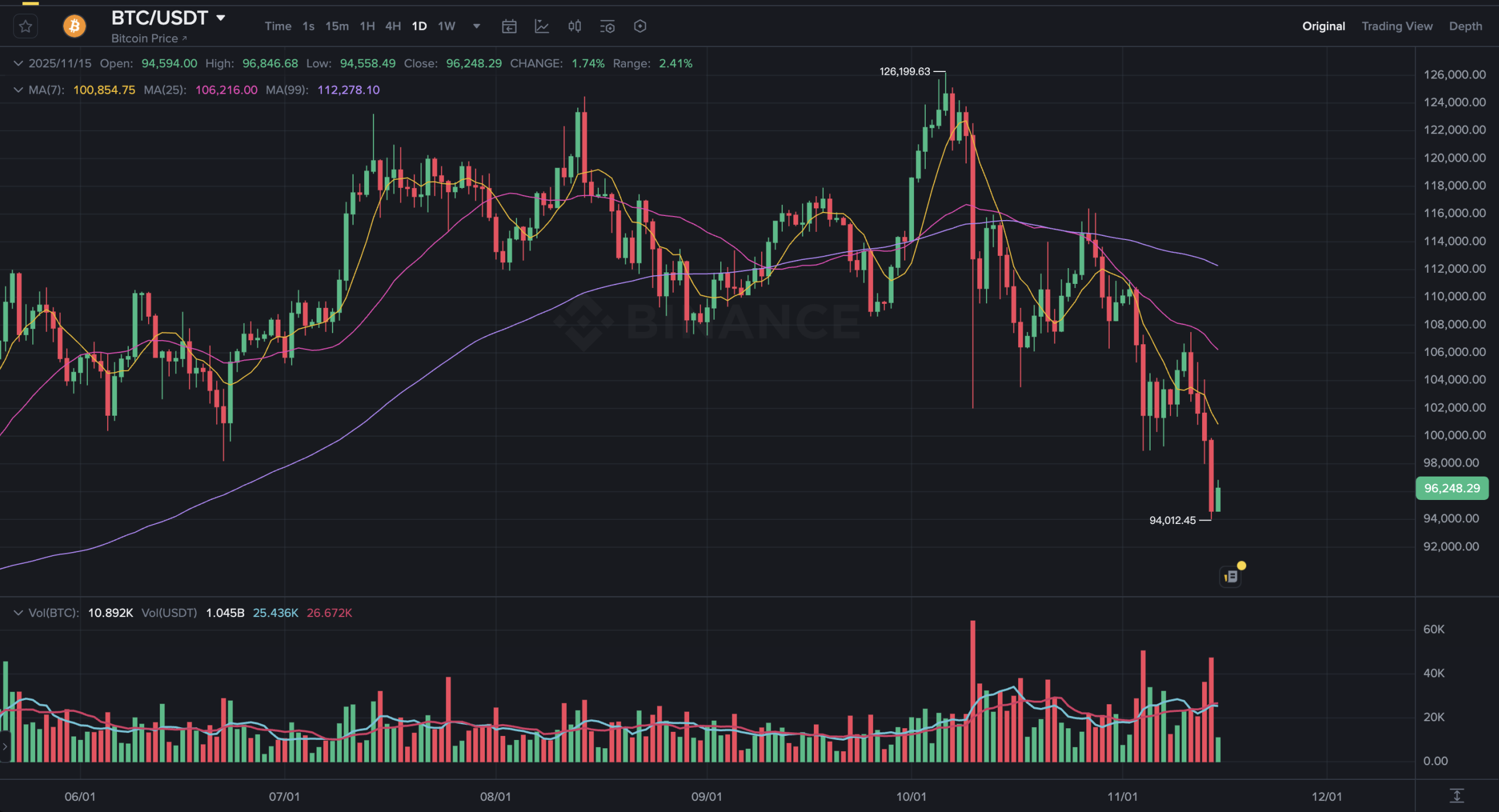
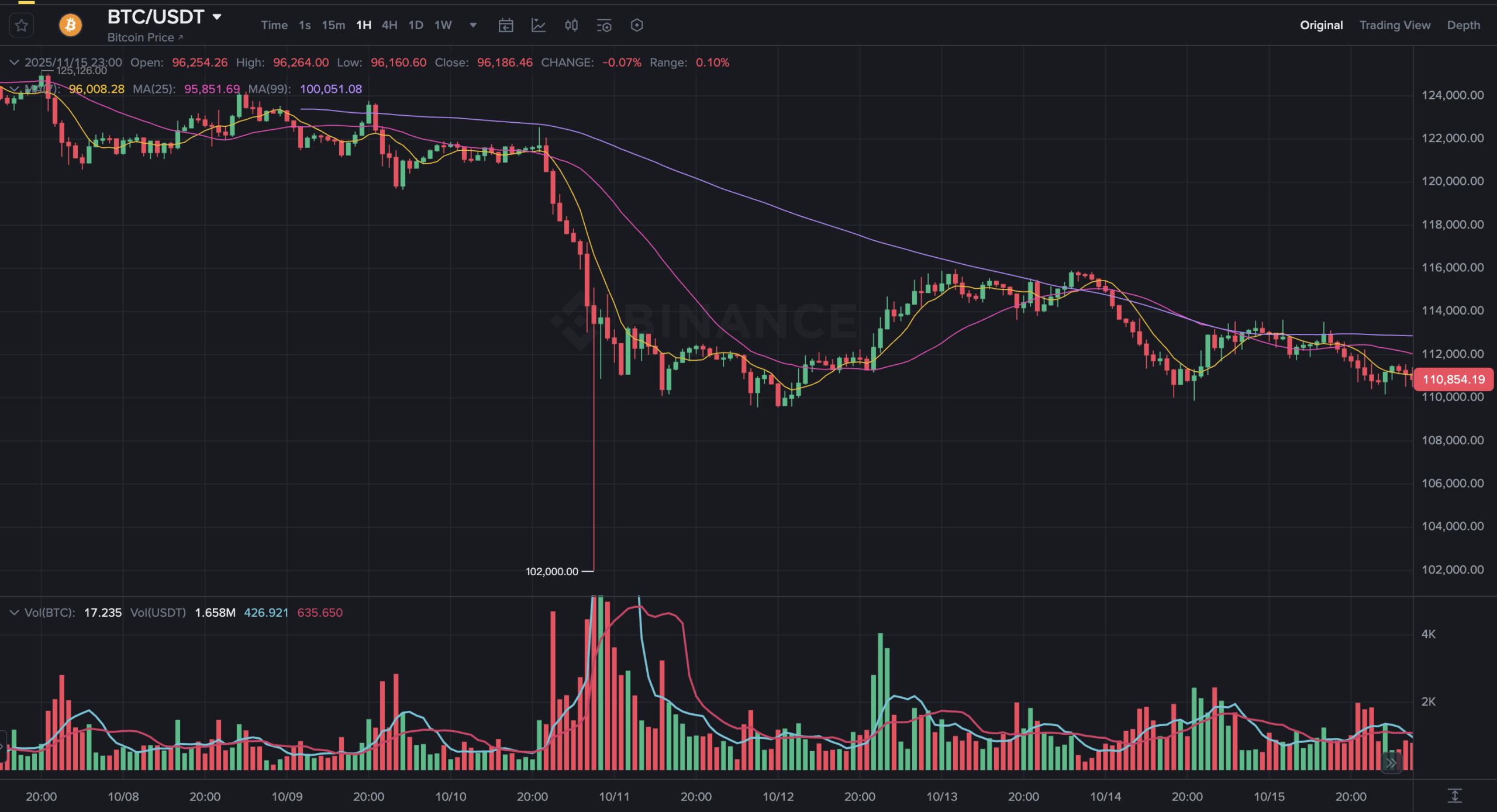
For long positions, the substantial red candlestick on October 11th, which saw a nearly 15% retreat, resulted in near-complete liquidation, marking them as absolute losers. Short positions, however, did not necessarily profit. The 15-minute chart showed a lower shadow of nearly 7% on the closing candlestick. Without stop-loss orders or constant monitoring, profiting from this volatility was extremely difficult.
Changes in Funds at the Exchange Level
Exchanges can be broadly categorized into top-tier exchanges and non-top-tier exchanges, differentiated by order book depth and their ability to withstand panic selling. For second- and third-tier exchanges, the event was catastrophic. Market makers likely engaged in defensive measures to prevent collapses similar to FTX. Top exchanges, with deeper liquidity, were better positioned to absorb the shock.
Regarding Changes in Borrower Funds
Borrowers were the primary victims of liquidation during this black swan event. It is estimated that those with initial collateral ratios above 85% and below 85% were likely liquidated. The entities that profited were undoubtedly the exchanges, particularly those with deep liquidity. The revolving loan event did not negatively impact them. Furthermore, exchanges typically possess sufficient reserve assets, making them less susceptible to market panic selling. The liquidation market capitalization on that day was unprecedented, leading to staggering liquidation profits.
Does a Black Swan Event Inevitably Lead to a Bear Market?
Historically, major black swan events have preceded year-end bear market transitions, including the Luna incident, the NFT craze, and the FTX collapse, all followed by gradual declines. October 11th marked a recent high point, and the subsequent price action has shown no significant rebound. The question remains whether this is a temporary correction or the onset of a bear market.
Recent Market Trends
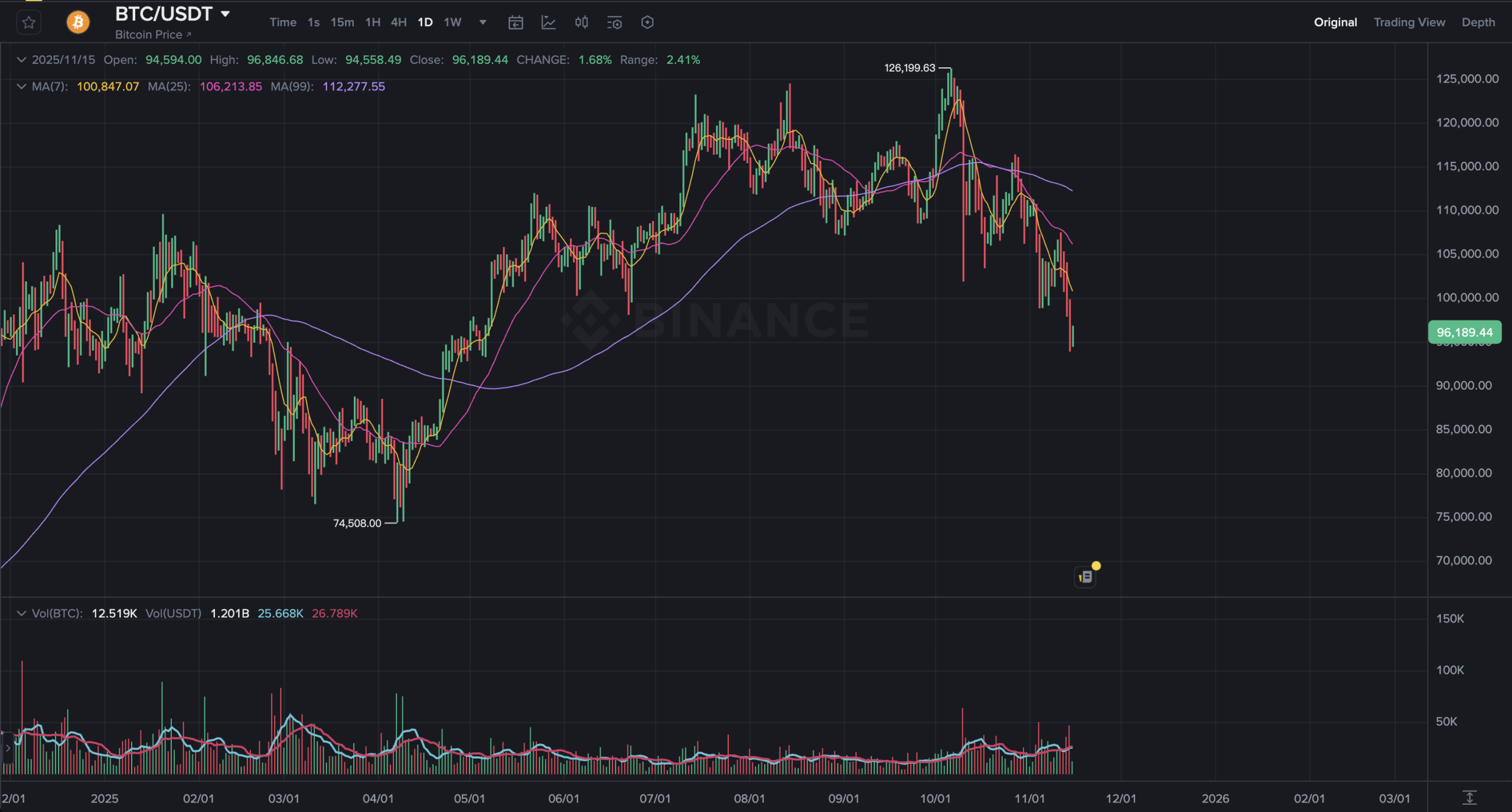
1. BTC Recent Trends: Bitcoin recently broke below the $100,000 mark, currently trading at $96,200. It has fallen below the EMA99 and EMA200 moving averages and has not experienced the expected rebound. Market liquidity is low, with funds flowing into stablecoins and gold assets.
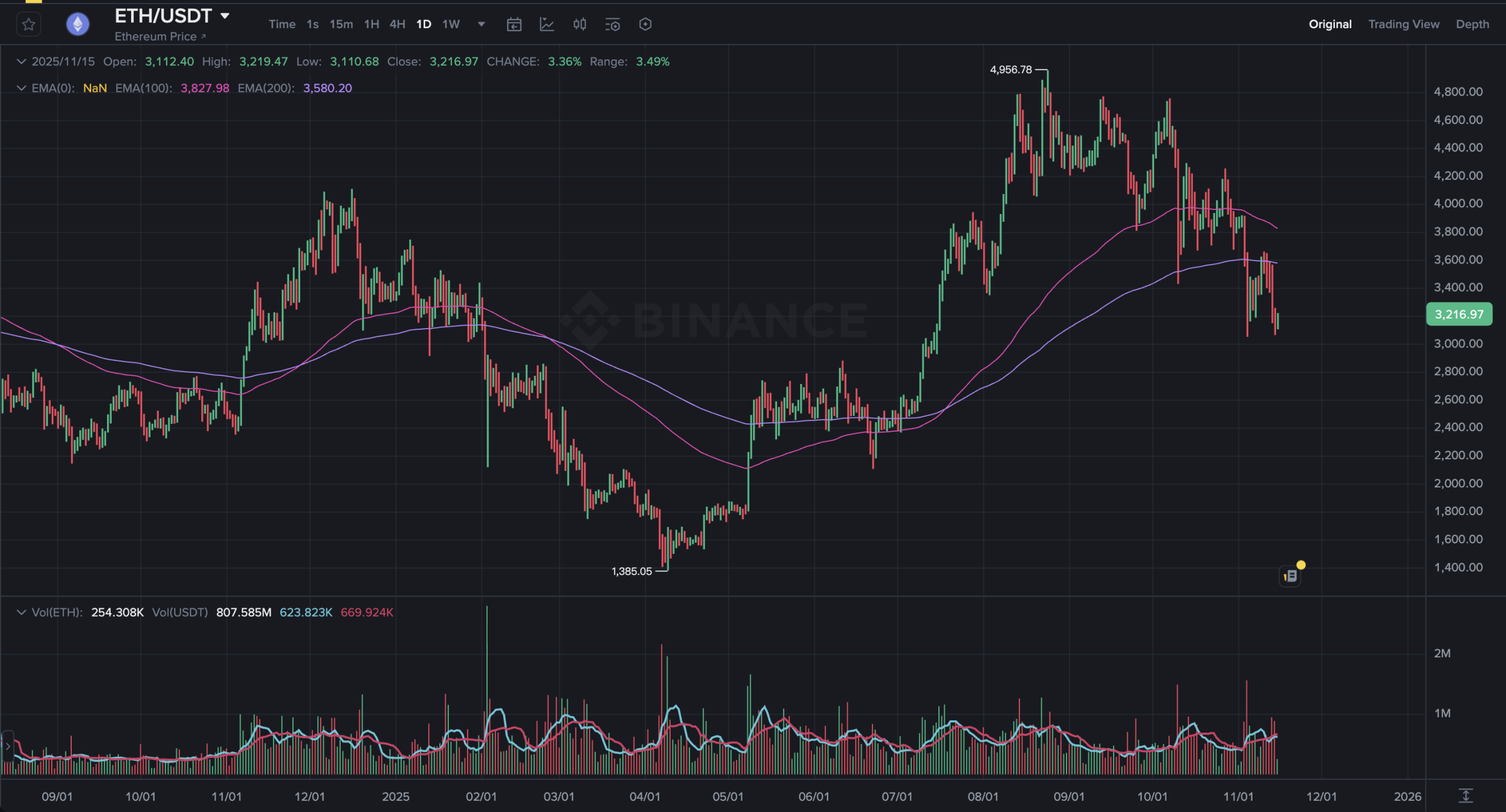
2. Recent ETH Price Movement: Ethereum is currently trading below the EMA99 and EMA200 moving averages, mirroring BTC's trend. The current price is $3201, showing stronger performance than BTC, having tested the $3050 level twice. Potential support is observed around $2900-$2800. ETH's future price movement will be a critical indicator for the anticipated altcoin season.
Recent Major News
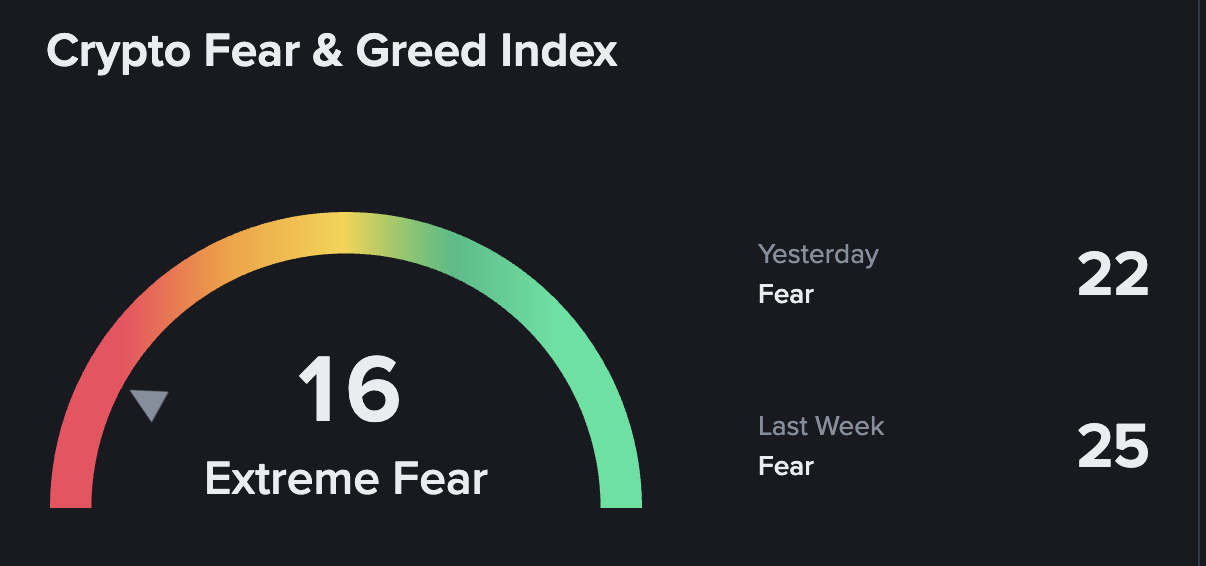
The market's fear index is currently around 16, comparable to March 12th. Several key news events are influencing market sentiment:
- The US government shutdown lasted 43 days, a record. Although its end was announced, this has not yet been reflected in market prices, with institutions and whales remaining cautious.
- The Federal Reserve’s December interest rate forecast has dropped from 90% to 50%, significantly impacting cryptocurrency market confidence. Recent upward momentum in US stocks has not translated to the crypto market; instead, the decline in US stocks has accelerated the crypto market's fall, fueling panic.
- The Lummis Act is significant as it aims to clearly define how US law classifies and regulates cryptocurrencies, stablecoins, and exchanges. This act will distinguish between securities and commodities, determining regulatory jurisdiction between the SEC and CFTC.
Conclusion: Don't Let Market Sentiment Influence Your Judgment
The events of October 11th have profoundly reshaped market psychology, not just prices. Black swan events effectively shake out retail investors. Despite recovering liquidity, macroeconomic signals like interest rate cuts indicate future easing policies. Crypto analysis suggests spot trading remains viable. Rational analysis is paramount when evaluating BTC and ETH positions, superseding emotional speculation.
Bear Market or Correction? Key Factors Determining Altcoin Season
Two primary factors will determine the market's direction: Bitcoin's stability and macroeconomic clarity. If BTC remains below key moving averages with liquidity trapped in stablecoins, momentum is unlikely to recover. However, if Bitcoin reclaims support levels and macroeconomic conditions stabilize, capital may flow back into altcoins, potentially triggering an altcoin season. Ethereum's performance will serve as a leading indicator for the broader altcoin market's health.
Market News: Liquidity Will Determine the Next Move
The market is in a transitional phase; it is damaged but fundamentally sound. Market news indicates that institutional interest persists despite the exit of retail investors. The next significant market move will be dictated by liquidity, rather than speculation. Observing capital rotation from stablecoins into BTC, ETH, and altcoins will signal whether an altcoin season is imminent or if further recovery time is required.