


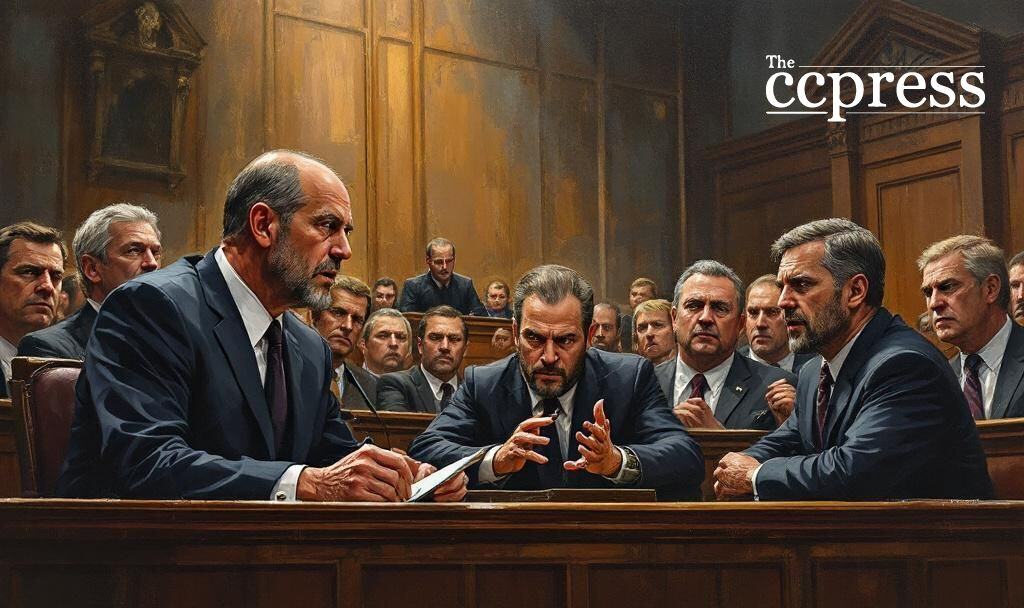
Case Overview
A mistrial was declared for Anton and James Peraire-Bueno, known as the 'MEV Brothers,' in a $25 million Ethereum fraud case in Manhattan federal court. The case involved allegations of exploiting high-speed MEV (Maximal Extractable Value) strategies in Ethereum trades.
This unprecedented case marks the first major prosecution for MEV-based wire fraud. It has significant implications for Ethereum stakeholders and may reshape legal interpretations and enforcement related to blockchain activities.
Allegations and Scheme
A federal fraud case against the Peraire-Bueno brothers, accused of exploiting Ethereum's MEV, ended in a mistrial. The MEV Brothers allegedly pocketed $25 million through strategic trade manipulation last year.
Accused of wire fraud, the brothers, who are educated at MIT, allegedly used their knowledge to orchestrate a complex scheme. One description of their alleged method stated: "Then the brothers planted a trade that looked like one thing from the outside, but was secretly something else. Then, just as the defendants planned, the victims took the bait."
Market Impact and Legal Precedent
No direct market impact on Ethereum was noted following the mistrial. The activity involved specific software exploited to execute high-speed trades. The broader Ethereum market has remained unaffected.
Legal experts point out the absence of a specific law for blockchain fraud. This case may hold implications for regulatory frameworks concerning cryptocurrency and blockchain activities.
Future Implications
The mistrial did not disrupt Ethereum's regulations or market infrastructure significantly. Traders and stakeholders continue monitoring potential judicial consequences and shifts in regulatory policies.
Industry analysts suggest the necessity for clearer blockchain fraud definitions. Trends in legal proceedings against MEV-related activities could influence future technological evolution and regulatory advancement. The industry awaits further prosecution details.