



Morgan Stanley's Michael Wilson has predicted a U.S. stock bull market by 2026, attributing this forecast to anticipated improvements in corporate earnings and potential interest rate cuts. This outlook suggests a shift in market dynamics, potentially creating new opportunities in sectors beyond mega-cap technology stocks.
Sector Shifts and Interest Rate Changes Expected by 2026
Michael Wilson's projection indicates a broadening of market performance, with a particular emphasis on upgrades for consumer discretionary and small-cap stocks. Current economic indicators, including earnings expectations and the possibility of interest rate reductions, point towards a more stable economic environment. Wilson emphasizes that the policy decisions made by the U.S. Federal Reserve will play a crucial role in shaping this economic trajectory.
The anticipated lowering of interest rates is expected to stimulate broader economic growth. Wilson has identified key sectors, such as Financials and Industrials, that are likely to benefit from this transition. This forecast, combined with a stable labor market, could pave the way for new investment avenues and overall earnings growth by 2026.
The financial community is closely observing the reactions to Wilson's analysis. His insights highlight a favorable environment for equity investments, with significant anticipation surrounding potential policy shifts from the Federal Reserve. The broader investment community appears receptive to these ideas, as a more dovish monetary policy could support the projected bull market.
Market Data and Historical Insights
Historically, during the early stages of bull cycles, sectors like Technology and Consumer Discretionary have often been at the forefront of growth. This pattern aligns with the forecasted scenario for the projected 2026 bull market.
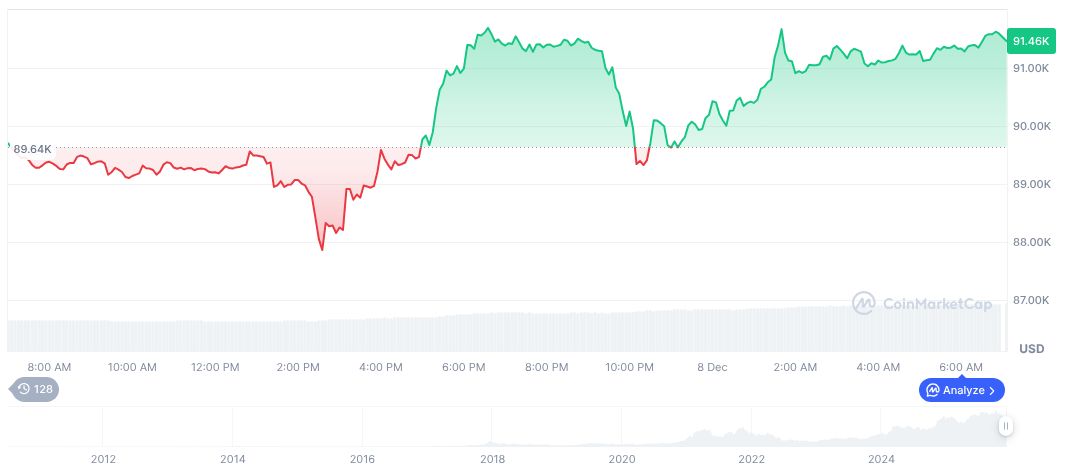
As of December 8, 2025, Bitcoin (BTC) was trading at $90,459.10, with a market capitalization of approximately $1.81 trillion. The cryptocurrency had seen a recent 5.99% increase in its weekly price, despite a 1.07% decrease in the past 24 hours.
Research indicates that ongoing fiscal policies and technological advancements may contribute to enhanced integration of cryptocurrencies within traditional markets. Furthermore, increased regulatory clarity could lead to more stabilized cryptocurrency valuations, presenting significant investment opportunities.