


Germany's current discussion about a potential Bitcoin buyback has reignited interest in the nation's perspective on digital assets. The core of this debate revolves around whether the German government should repurchase Bitcoin at a lower price, following its earlier sale of substantial seized holdings.
With input from political figures, market analysts, and blockchain data, this conversation now holds significantly more weight than in the past.
Germany's Previous Bitcoin Sales
In early 2024, German authorities confiscated nearly 50,000 BTC as part of the Movie2K piracy investigation, marking one of the largest digital asset seizures in Europe. Over the subsequent months, the government transferred considerable amounts to cryptocurrency exchanges, thereby reducing its holdings and exerting noticeable pressure on Bitcoin markets.
Concerns were raised regarding the timing of these sales, with many analysts suggesting that Germany liquidated its holdings too rapidly and potentially missed out on future gains. This context is now fueling renewed calls for a Germany Bitcoin buyback should favorable market conditions arise.
Reasons for Considering a Buyback
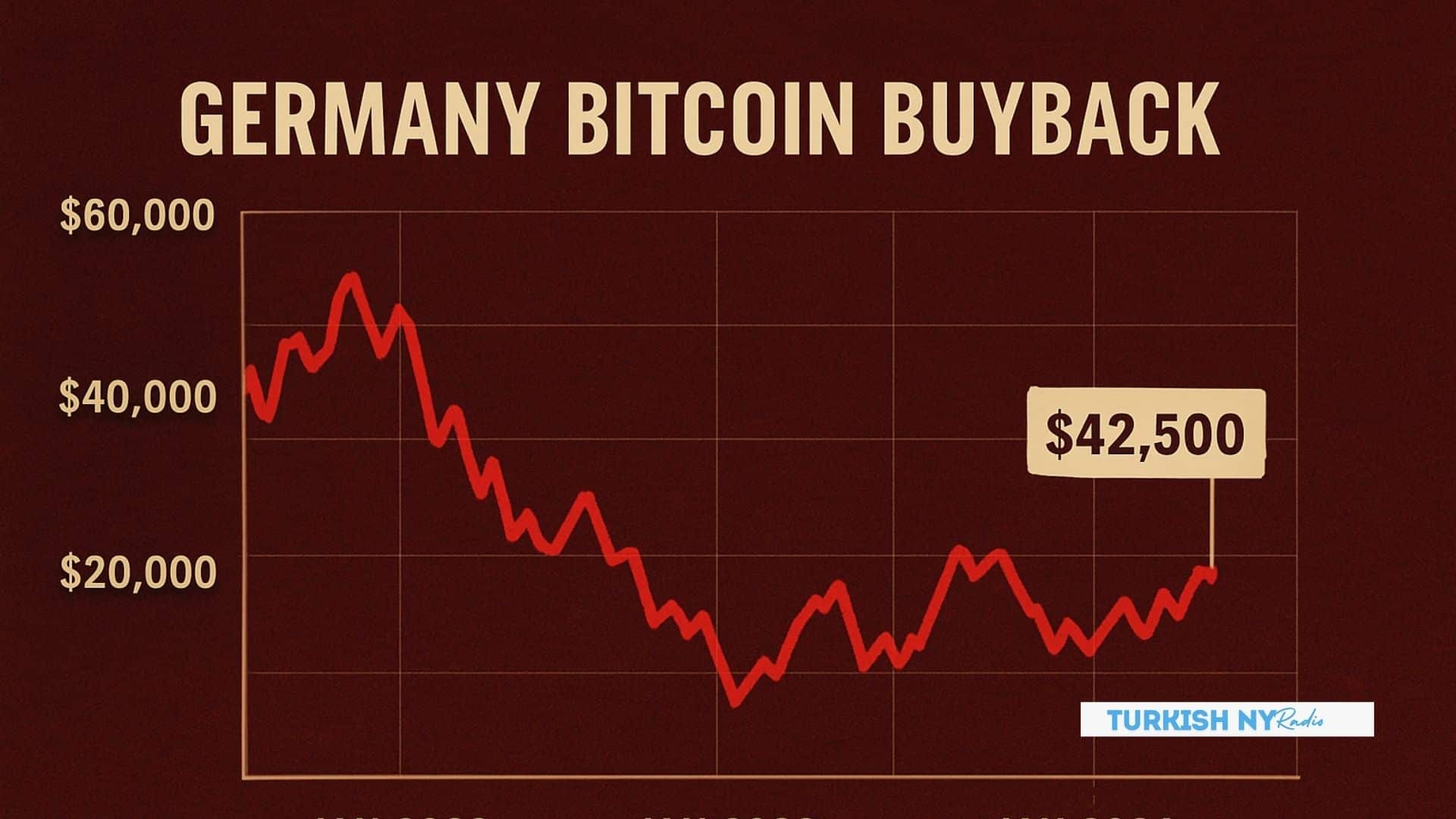
The momentum for a Germany Bitcoin buyback has grown following analyst suggestions that a significant market correction, estimated around 35%, could present an opportunity for Germany to repurchase Bitcoin at prices similar to its previous selling levels. Proponents argue that such a move would not only offset earlier financial losses but also establish Bitcoin as a strategic long-term asset.
Certain lawmakers have also voiced concerns that Germany may have forfeited a financial opportunity by selling its Bitcoin too early. They contend that holding Bitcoin, rather than immediate liquidation, could contribute to Germany's overall economic resilience.
Strategic and Political Implications
The concept of a Germany Bitcoin buyback extends beyond purely economic considerations. It signifies a potential evolution in how governments perceive digital assets, moving from viewing them solely as confiscated items to be sold, to incorporating them into a nation's evolving financial strategy. Advocates suggest that nations holding Bitcoin could bolster their long-term geopolitical standing.
However, the practical execution of a large-scale Germany Bitcoin buyback could present challenges. Substantial purchases might lead to price increases, and achieving political consensus across various ministries remains uncertain. Despite these potential hurdles, the idea continues to gain traction as more policymakers explore the potential of digital assets as part of national reserves.
Market Analyst Reactions
Market observers have noted that Germany's past actions have historically influenced short-term market sentiment. A future Germany Bitcoin buyback could potentially have an even more pronounced effect, particularly if Berlin were to act decisively during a market downturn. Some traders anticipate that such a move could foster a wave of institutional confidence across Europe.
Conclusion
The ongoing discussion about a potential Bitcoin buyback in Germany reflects a broader shift in governmental perspectives on cryptocurrency. While no formal strategy has been publicly announced, many anticipate that Germany would reconsider its previous decisions in the event of a significant market correction.
Regardless of whether Berlin ultimately decides to repurchase Bitcoin, this dialogue highlights a notable trend: digital assets are increasingly being integrated into national economic strategies, moving beyond being mere legal afterthoughts.
Summary
Analysts suggest that Germany might consider buying back Bitcoin if the market experiences a substantial decline. The nation has faced criticism for potentially missing out on profits after selling significant portions of its confiscated Bitcoin earlier this year. A considerable market drop could pave the way for a buyback, especially as Bitcoin's value fluctuates. While logistical and political obstacles exist, the current discourse underscores a growing trend toward viewing Bitcoin as a strategic national asset.
Glossary of Key Terms
Bitcoin (BTC): A decentralized digital currency secured by blockchain technology.
Buyback: The act of repurchasing an asset after it has previously been sold.
Blockchain: A distributed digital ledger that records transactions across a network.
Seized Assets: Property or digital holdings confiscated by authorities during legal investigations.
Reserve Asset: A financial asset held by governments to maintain stability and support long-term economic strategy.
FAQs for Germany Bitcoin Buyback Gains Momentum
The Germany Bitcoin Buyback: What is it?
This refers to the possibility of Germany repurchasing Bitcoin after having sold a significant amount of its confiscated holdings.
Why did Germany initially sell its Bitcoin?
Officials liquidated the Bitcoin, which had been acquired through criminal seizures, as part of standard legal procedures.
What Bitcoin holdings does Germany still have?
Estimates suggest Germany holds approximately 18,110 BTC, though exact figures can vary depending on the source.
What would lead to a Bitcoin buyback in Germany?
According to analysts, a substantial price decline of around 35% would likely prompt Berlin to consider repurchasing Bitcoin at favorable prices.
What is the significance of this buyback?
It suggests that Germany may view Bitcoin as an important strategic asset rather than simply confiscated property.