


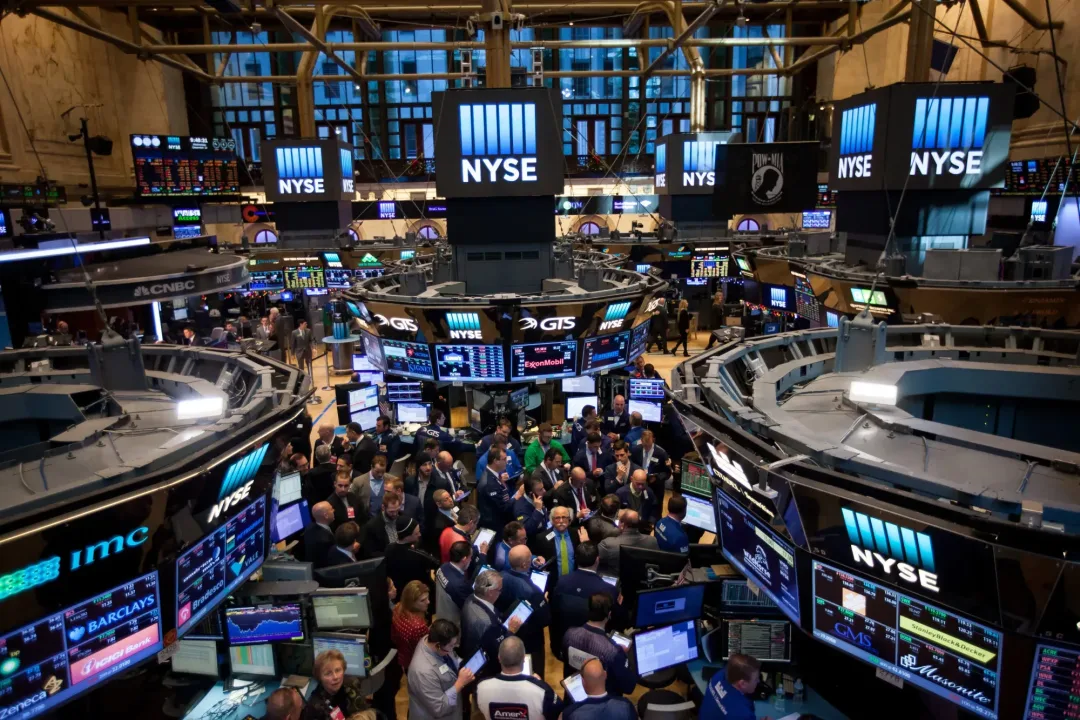
The New York Stock Exchange (NYSE) has announced plans to build an entirely new tokenization platform designed for round-the-clock trading and on-chain settlement of U.S.-listed equities and exchange-traded funds. This initiative is subject to regulatory approval.
The initiative marks a structural shift rather than an upgrade. NYSE stated that the platform will operate as a separate venue focused on digital securities, while the existing exchange continues to function with traditional market hours and processes.
This move signals a significant structural shift as the world’s largest stock exchange prepares to operate two systems in parallel.
A New Venue Built for Digital Securities
According to the announcement, the new platform will support 24/7 trading, instant settlement, and stablecoin-based funding instead of traditional bank wires. The system is designed to allow fractional share purchases and orders sized in dollar terms, aligning equity trading more closely with the mechanics of crypto markets.
The platform integrates the NYSE Pillar matching engine with blockchain-based post-trade infrastructure. It will support multiple blockchains for settlement and custody, offering flexibility across different on-chain environments. Unlike tokenization efforts that wrap existing securities, this venue will support assets natively issued as digital securities alongside tokenized versions of traditionally issued shares.
Tokenized shareholders will retain the same dividend rights and governance privileges as traditional holders. Access to the venue will remain open to qualified broker-dealers on a non-discriminatory basis, according to NYSE.
How NYSE’s Approach Differs From Peers
Many financial institutions are already exploring tokenization, but most efforts focus on digitizing existing assets. The Depository Trust & Clearing Corporation (DTCC) has tested tokenized representations of custodied securities. State Street has worked on tokenized money market funds and ETFs. Nasdaq has also amended its market rules to accommodate tokenized trading alongside legacy systems.
NYSE’s plan diverges significantly in its structure. Instead of adapting existing infrastructure, the exchange aims to launch a new trading venue designed from the ground up for on-chain issuance, trading, and settlement.
That approach places NYSE in closer alignment with digital-native platforms such as Figure’s OPEN and Superstate, which focus on native issuance and on-chain trading.
This distinction is important because venue design shapes how assets move, settle, and remain in custody. In this new model, custody can reside in digital wallets rather than centralized depositories, while settlement can occur instantly on-chain.
ICE Expands Its Tokenized Market Strategy
The platform forms part of a broader digital strategy at Intercontinental Exchange (ICE), the NYSE’s parent company. ICE is preparing its clearing infrastructure to support continuous trading and tokenized capital flows across different time zones.
ICE confirmed it is working with major banks, including BNY Mellon and Citi, to enable tokenized deposits across clearinghouses. These tokenized deposits aim to assist clearing members in managing margin and liquidity outside of traditional banking hours.
Lynn Martin, president of NYSE Group, stated that the exchange is leading the industry toward fully on-chain solutions while upholding high regulatory standards. Michael Blaugrund, vice president of strategic initiatives at ICE, described tokenized securities as a pivotal step in establishing on-chain infrastructure for trading, settlement, custody, and capital formation.
Why Tokenized Equities Change Market Structure
Tokenized equities introduce structural changes rather than merely cosmetic ones. Settlement can occur on-chain, bypassing multi-day clearing cycles. Custody can transition into digital wallets instead of centralized clearing entities. Trading can continue without interruption, and capital formation can take place using stablecoins.
NYSE’s announcement follows earlier indications of demand for extended trading hours. In April 2024, the exchange surveyed market participants regarding their appetite for round-the-clock trading, reflecting a growing convergence between traditional markets and crypto-style structures.
Regulatory approval remains the final hurdle. If granted, NYSE’s dual-track strategy would allow traditional and digital markets to coexist under one umbrella. The key question moving forward is timing, not intent.