


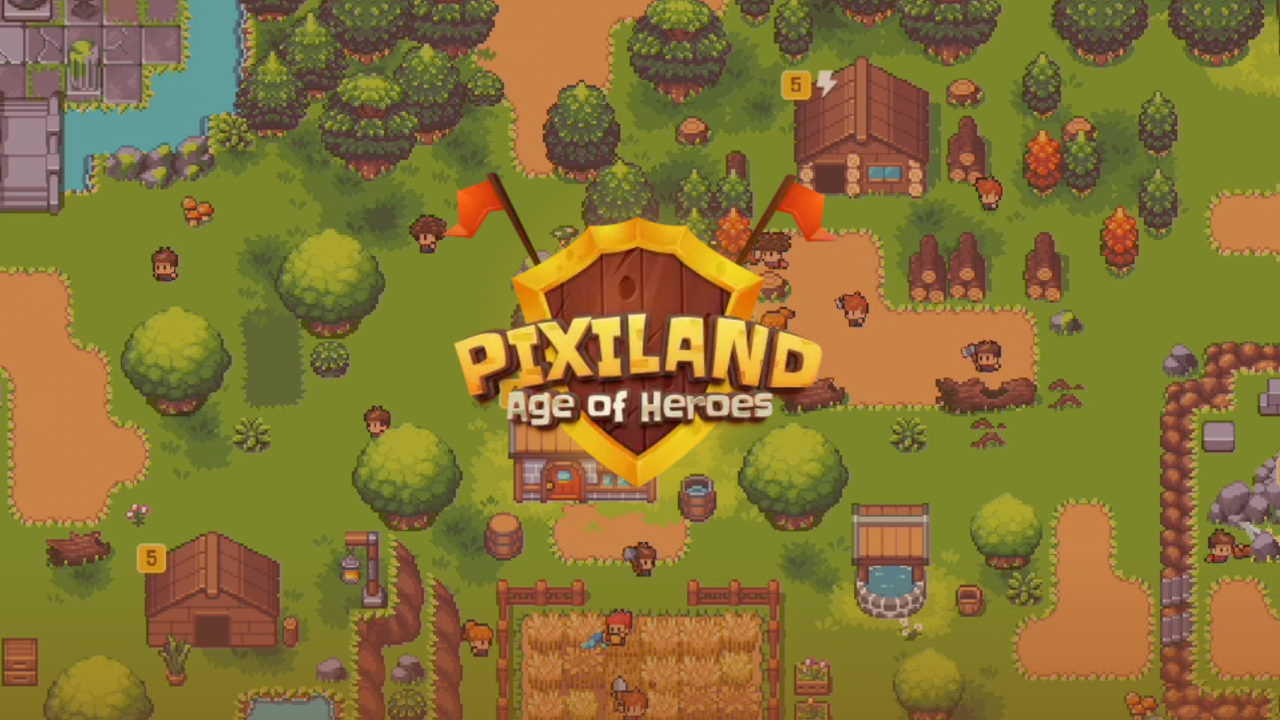
The transition of the Web3 game Pixiland from a decentralized blockchain model to a centralized Web2 platform has ignited a firestorm of criticism, with many players accusing the developers of orchestrating a "rug pull." This dramatic shift has left a significant portion of the community feeling betrayed and defrauded.
Community Outcry and Accusations
Players who invested time and resources into Pixiland's blockchain-based ecosystem are expressing widespread anger and disappointment. They argue that the move to a Web2 model effectively nullifies their previous investments and undermines the core principles of decentralization that initially attracted them to the game. The perception is that the developers have abandoned the promises of Web3 to pursue a more profitable, albeit less transparent, centralized business model.
The term "rug pull" is being frequently used by the disgruntled community. This refers to a situation where developers abandon a project, taking investors' funds with them. While the Pixiland developers have not explicitly stated they are absconding with funds, the abrupt and seemingly unannounced pivot to Web2 has created an environment of deep suspicion. Players feel their digital assets and in-game progress have been rendered worthless or significantly devalued overnight.
Developer Justifications and Player Skepticism
In response to the backlash, the Pixiland development team has offered explanations for the transition. They cite challenges in scaling the Web3 infrastructure, difficulties in user acquisition within the blockchain gaming space, and the desire to provide a more accessible and seamless gaming experience for a broader audience. The developers aim to leverage the advantages of Web2, such as easier updates, better performance, and a more traditional monetization model.
However, these justifications have done little to quell the anger. Many players remain unconvinced, viewing the explanation as a convenient excuse to move away from a project that may not have met their financial expectations or to capitalize on a larger, more familiar market. The lack of transparency leading up to the announcement has further fueled skepticism. Players are questioning the true motives behind the decision and the long-term viability of their previously held digital assets.
Impact on the Web3 Gaming Landscape
The Pixiland situation serves as a stark reminder of the inherent risks and volatilities within the nascent Web3 gaming industry. While the promise of player ownership and decentralized economies is appealing, the execution and long-term commitment of developers remain critical factors. This incident could have a chilling effect on player trust and investment in other Web3 gaming projects, as potential participants become more wary of similar transitions or outright scams.
The incident highlights the ongoing debate about the optimal approach for blockchain-based games. Some argue that a hybrid model, incorporating elements of both Web2 and Web3, might offer a more sustainable path forward. Others maintain that true decentralization is the only way to uphold the integrity of player ownership and build a robust Web3 gaming ecosystem. The Pixiland case will undoubtedly be a significant talking point in these discussions moving forward.