


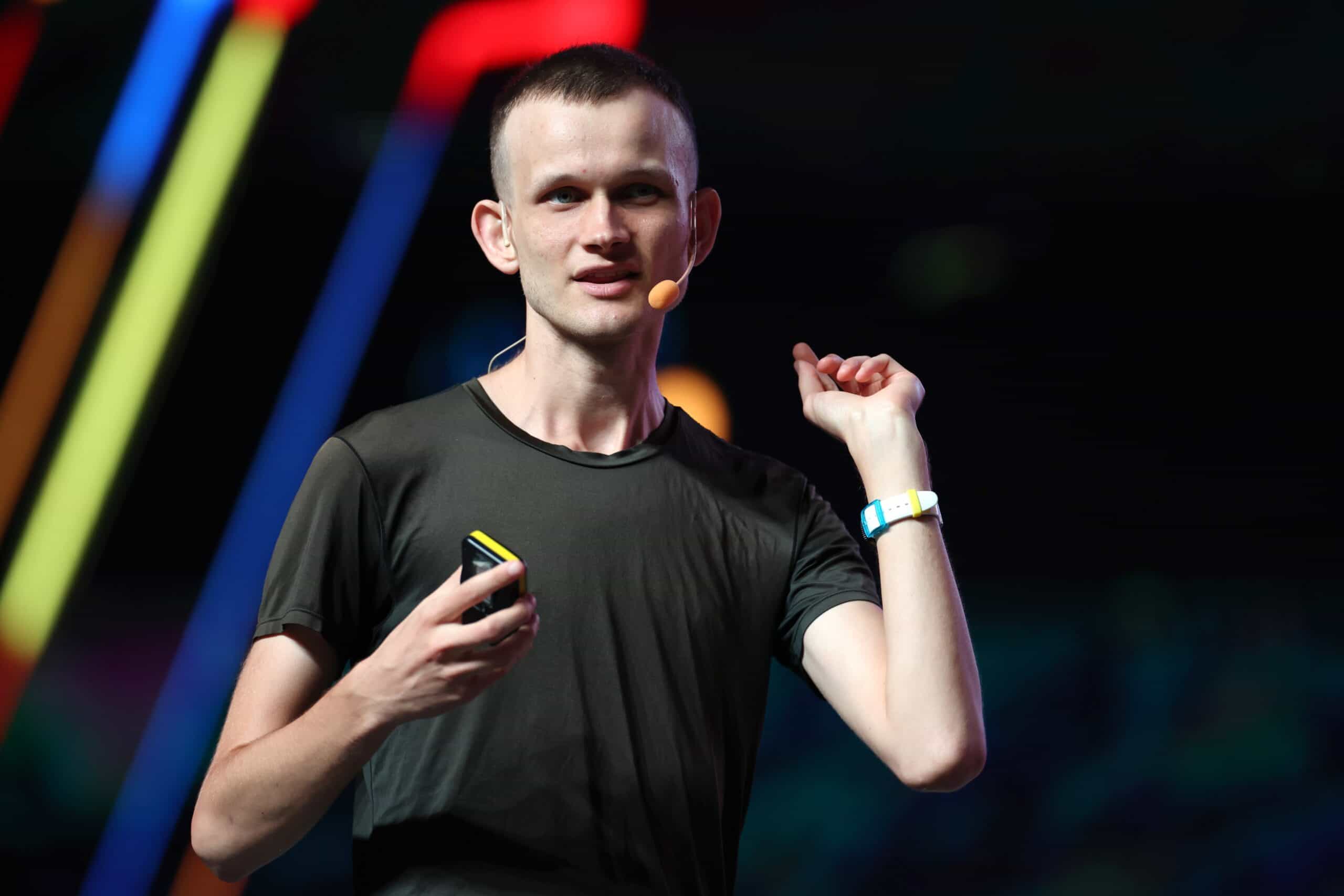
Ethereum co-founder Vitalik Buterin has intervened following public remarks from Polygon co-founder Sandeep Nailwal, aiming to provide acknowledgment for both the project and its leadership.
Nailwal had expressed frustration with Ethereum’s community, stating his loyalty remained intact despite facing criticism regarding Polygon’s classification.
Internal Dynamics Within Ethereum
In response to the situation, Buterin highlighted the significant contributions of Polygon and Nailwal personally. He described Polygon as more than just a "boring finance app" and specifically praised its Layer 2 work, asserting that it has demonstrably strengthened the Ethereum network.
Buterin’s acknowledgment arrived during a period when Nailwal was candidly discussing the social and market pressures surrounding Polygon. Nailwal elaborated on the challenges of definitively categorizing Polygon as either a Layer 1 or a Layer 2 solution. He pointed out how these distinctions significantly impact market perception and, consequently, valuation.
He recounted instances of being questioned by stakeholders for not labeling Polygon a Layer 1, despite the chain's extensive integration with Ethereum. Nailwal also alluded to experiencing personal conflicts and described navigating the Ethereum community as feeling like a "shit show" at times. Simultaneously, he expressed profound respect for Buterin, viewing him as someone he "looked up to as an ideal for how things should be built in this world."
Criticism Directed at Ethereum Leadership
Nailwal’s commentary follows the public release of a lengthy letter penned by Ethereum core developer Péter Szilágyi. This letter was initially shared privately with Ethereum Foundation (EF) leadership in May 2024. Within it, Szilágyi detailed long-standing frustrations concerning governance, compensation structures, and the emergence of an Ethereum "elite" that ultimately answers to Buterin. He characterized his own position as feeling like a "useful fool," caught between loyalty to Ethereum and personal dissatisfaction. Szilágyi also criticized the perceived disconnect between public portrayals of his leadership role and the actual handling of responsibilities internally.
Szilágyi specifically highlighted compensation issues, noting that underpayment created incentives for top contributors to seek opportunities elsewhere. This, in turn, allowed for concentrated influence among high-profile insiders. While he affirmed that Ethereum remains a powerful protocol, he argued that these structural and social dynamics present ongoing challenges for long-term contributors who are navigating recognition, opportunity, and adherence to principles within the network.
“Do I find Ethereum fixable? No, not really. I don’t see how any of this can be reversed. I feel the Foundation blew allegiance to it beyond reversal. I feel Vitalik – with all his good intents – created the ruling elite who will never relinquish control anymore, so you either play ball or you get sidelined (at least they pay well apparently). As for Geth, I feel we are considered a problem in the grand scheme of things in Ethereum – myself at the centre of that problem – so I don’t really see a bright future for myself with my pushbacks against the issues I see.”