


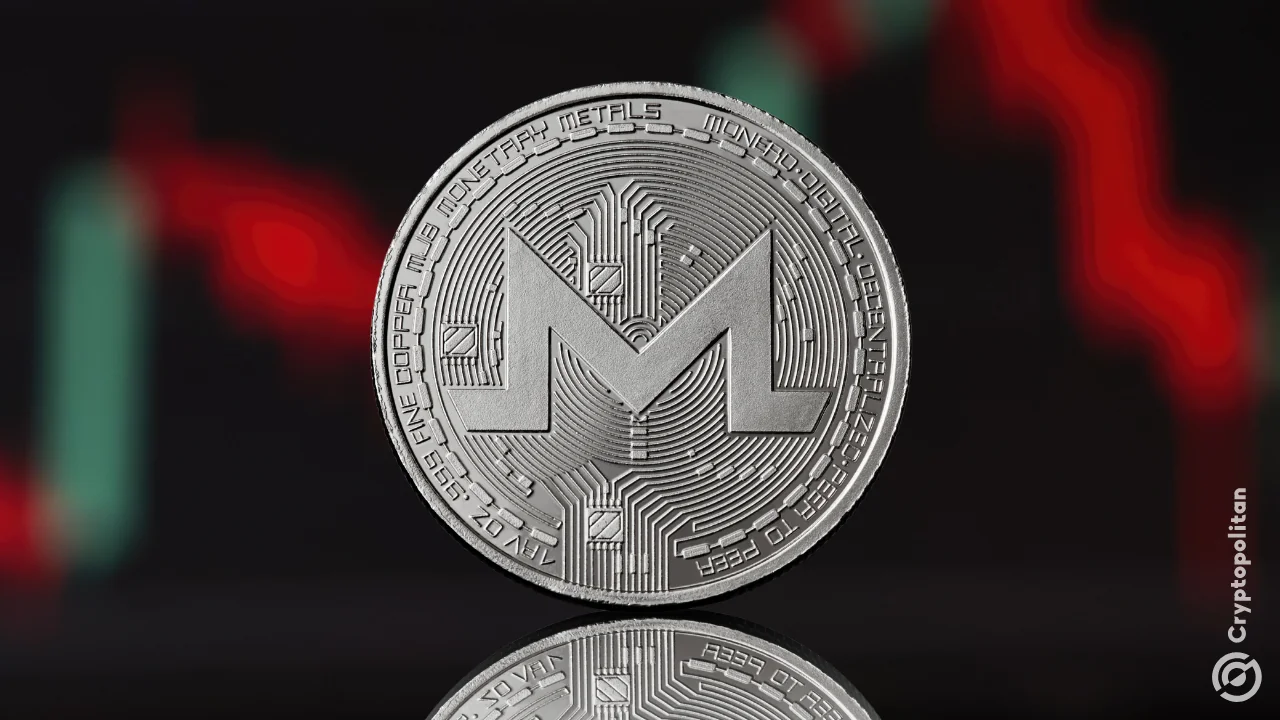
Top cryptocurrency privacy projects have significantly outperformed in the crypto markets during 2026, fueled by a growing demand for cryptocurrencies that offer enhanced layers of anonymity. These privacy tokens are primarily designed to obscure wallet addresses, provide transaction anonymity, and enable sender-receiver identity features that are not typically available on standard blockchains.
Leading performers in 2026 include Zcash, Decred, and Dash, which have attracted considerable investor interest. They are performing alongside the established Monero token, which has been recognized as one of the top coins of the year. These projects are addressing the increasing concerns surrounding digital monitoring across blockchains, especially in the context of tightening regulations. Consequently, users are actively seeking privacy-focused blockchain solutions.
Pirate Chain Token ARRR Experiences Significant Growth
In 2026, privacy coins are demonstrating unprecedented performance. For example, Monero recently posted a 58% increase in value this week, Dash saw a 109% surge in the same period, and Decred recorded a 65% rise. These token movements have initiated a broad rally across multiple privacy-focused tokens, pushing their market capitalizations above $100 million and enabling them to outperform other niche cryptocurrencies.
80% of privacy tokens are up in 2026. As privacy meta continues to shine, many tokens are reaching new highs. Our data shows that 14 out of 18 privacy tokens with a $100M+ market cap have grown since January 1. Top gainers: $XNC +102%, $DASH +74%, $XMR +60%.
According to data from CoinMarketCap, Monero currently leads the privacy niche with a market capitalization of approximately $12.9 billion, followed by Zcash at $7.1 billion. Litecoin is in third place with an approximate market cap of $5.7 billion. At the time of publication, Monero was trading at $699.58, showing a 0.56% increase over the previous 24 hours, while Zcash was trading at $431.2, representing a 0.26% growth. Litecoin (LTC) was down 0.27%, trading at $74.4 during the same period.
Among the notable gainers this week is the Pirate Chain token ARRR, which has achieved approximately 168% growth over the past seven days, including a 28% increase on a single day. ARRR was trading at $0.664 at the time of publication. Pirate Chain's rebound, following a nearly 98% loss in value from its 2021 all-time high (ATH) of $16.9, signifies a substantial shift within the privacy-focused crypto sector.
Dash has also made a significant impact on the market this week, posting a 107% jump and achieving the third-largest single-day rally of 32%. This performance was surpassed only by Mind Network FHE and Decred (DCR), which saw approximately 52% and 36% increases, respectively. Dash, which was launched nearly 13 years ago, has recovered from a substantial drop, losing roughly 95% of its value from its 2017 ATH of $1,642 to its current trading price. Dash reached a peak this week, rallying 107% and achieving a market cap of $1.02 billion.
The cryptocurrency market's focus has increasingly shifted towards privacy-focused tokens, with Zcash (ZEC) experiencing notable trading activity. These privacy-focused projects offer the capability to prevent the tracing of individual transactions and the source of funds for accounts, a feature distinct from more transparent blockchains like Bitcoin and Ethereum.
Zcash Positioned as "Insurance Against Bitcoin" by AngelList Founder
Naval Ravikant, the founder of AngelList, stated in October that Bitcoin serves as insurance against fiat currency, while Zcash functions as insurance against Bitcoin. This perspective highlights the growing importance of privacy and transparency within the cryptocurrency industry. These developments have contributed to a rally across privacy-niche tokens, with the ZEC token nearing its eight-year high of $703, set in 2018. ZEC reached a high of $698 in November before declining to $540 by the end of December.
The European Union's DAC8 directive, which became effective on January 1, 2026, mandates that all crypto service providers collect user tax data. This directive, as reported by Cryptopolitan, has reignited the rally within the privacy niche. The Dubai Financial Services Authority has also contributed to this trend by enforcing an updated regulatory framework for cryptocurrencies within the Dubai International Financial Centre. This framework prohibits privacy tokens across trading, promotions, fund activities, and derivatives. Furthermore, it bars regulated firms from utilizing mixers, tumblers, and other obfuscation services.
Research indicates that privacy-focused tokens employ advanced cryptographic tools to conceal data while ensuring that transactions across blockchains remain valid and verifiable. Technologies such as Ring Signatures help obscure the true signer by blending their signature with decoy signatures. Other tools include Stealth Addresses, which generate one-time addresses to enhance privacy and anonymity. zk-SNARKs, conversely, enable the verification of transactions without revealing underlying data, and MimbleWimble compresses data and hides transaction details for maximum anonymity. Collectively, these technologies form the bedrock of modern privacy solutions, strengthening anonymity across various blockchains.