



Canon has partnered with Nigerian cinematographer Nora Awolowo for the premiere screening of “Racket Queen,” a short film that delves into themes of parental support, resilience, and the pursuit of creative dreams against significant odds.
This collaboration, uniting a prominent global camera technology brand with an emerging talent in African filmmaking, signifies a growing relationship between international technology companies and Nigeria’s vibrant creative sector.
Canon's Commitment to the Nigerian Market
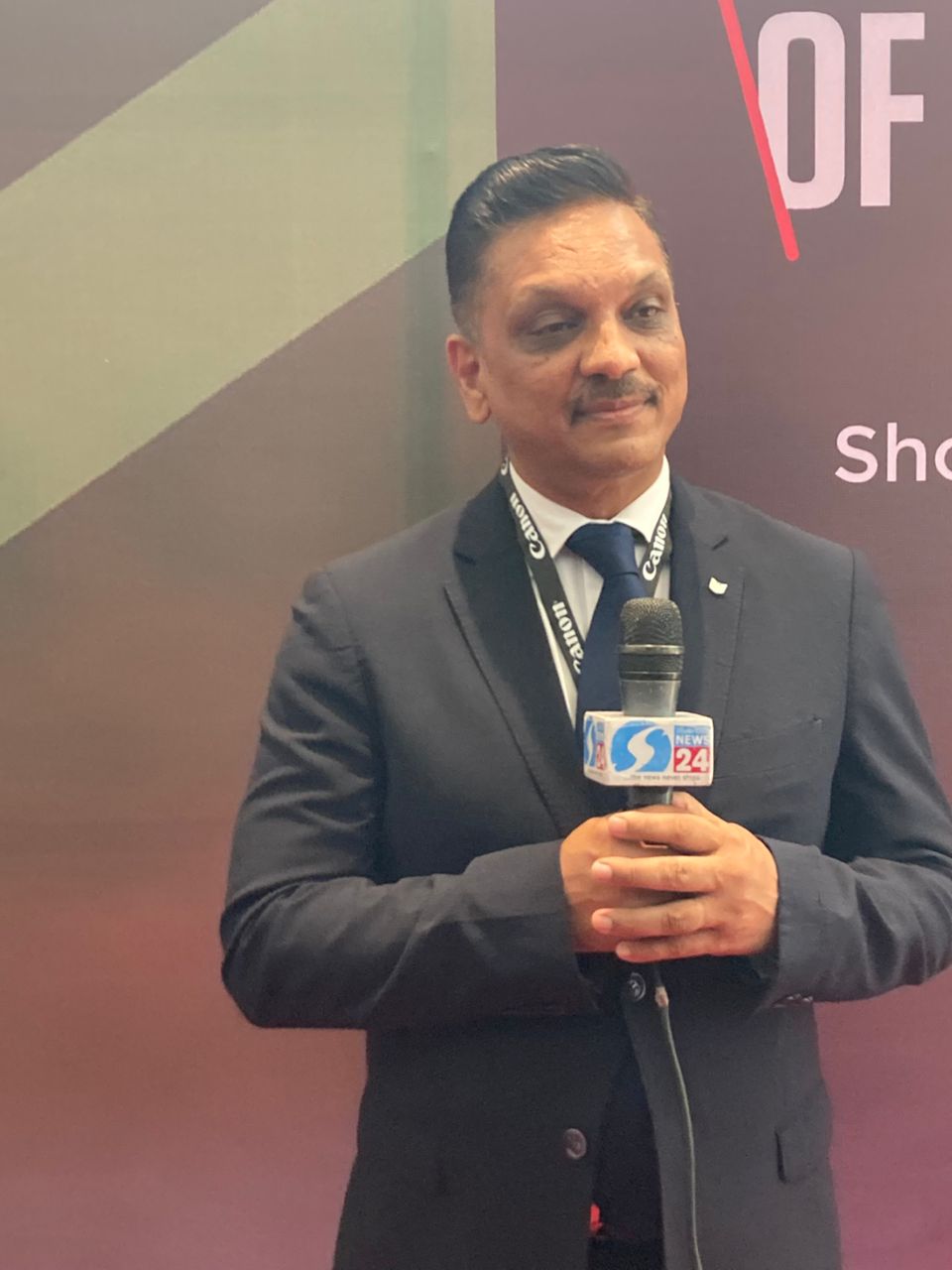
Speaking at the premiere event, Rashad Ghani, B2C Business Unit Director at Canon Central and North Africa, highlighted the company's sustained commitment to the Nigerian market. Ghani stated, "We have been in this market for the past almost 10 years now. We have already done two collaborations…We are involved in Nollywood projects."
Ghani clarified that Canon's decisions to collaborate are driven by merit. He emphasized, "We never collaborated with Nollywood because she’s a female DOP. It’s only because of her talent and the work that she has done. We always believe in the right talent, and we want to support the talent who are ready to take up the challenge."
Tech Meets Storytelling: Cinematographic Innovation
For Awolowo, the advanced technical capabilities of Canon’s camera equipment were essential in realizing her artistic vision. The cinematographer, who transitioned to filmmaking after studying accounting, deliberately chose to film challenging night scenes to rigorously test the camera’s low-light performance.
Awolowo explained her motivation: "I wanted to test out what the quality was like when I was shooting low light. Interestingly, the camera has something called dual native ISO. Basically, what it means is that you can continue increasing your ISO, that’s the exposure, without adding noise."
In essence, this technological feature enabled her to capture footage in dark environments without the characteristic grainy quality often associated with low-light videography.
She elaborated on the benefit: "There’s this thing where you shoot and your exposure in the dark creates noise on your camera. But what the dual native ISO has done is that even if you increase the exposure, the noise level stays minimal."
This technical advantage proved critical for the film’s visual aesthetic. Awolowo maintains a meticulous approach to her post-production workflow, particularly concerning colour grading. She stated, "I do a lot of editing myself. I’m very particular about those things. I try to see what it looks like while we’re filming, so I know what the post-production colour is going to look like. And I got what I wanted."
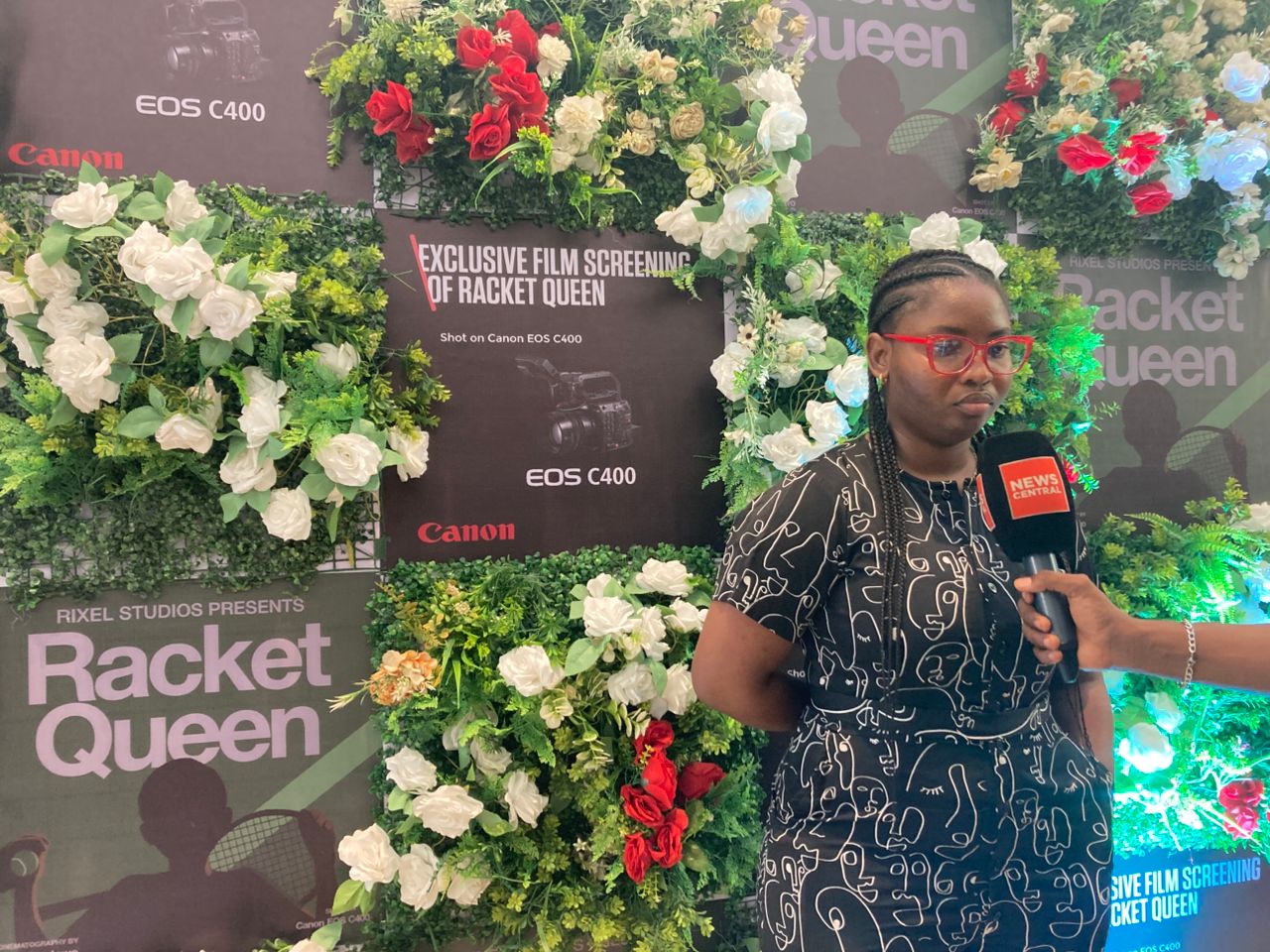
The selection of lenses also significantly contributed to the film’s visual narrative. For indoor sequences, Awolowo adopted a cinematic style with stabilised footage. In contrast, outdoor scenes were intentionally shot handheld to evoke a more intimate and visceral viewing experience.
She described her approach: "For the indoor scene, we went very cinematic. When I went outside, I wanted it shaky because of the lens. It was also about stabilising the emotion."
“Racket Queen”: A Personal Story with Universal Resonance
“Racket Queen” draws inspiration from Awolowo’s personal journey of navigating parental expectations while pursuing a non-traditional career path. She shared, "I studied accounting in school. I’m an accountant, and storytelling is not the kind of thing parents thought their child would do."
Her parents' initial reaction to her aspirations in photography was notably dismissive. Awolowo recalled, "The first time I told my mother and father I wanted to be a photographer, they were like, ‘Oh, you want to take passport pictures?'"
While the film is autobiographical in its inspiration, Awolowo incorporated stories from friends and colleagues who faced similar challenges, some with parental backing and others without. She shared, "I’ve seen friends whose parents said, ‘Oh, you want to do this? Don’t worry, we’ll get you a camera.’ My first camera was from a friend whose parents bought him a camera, and he never used it for photography. He just gave it to me."
The narrative centers on a young athlete, initially conceived as a skater but later changed to tennis due to casting limitations. The protagonist's mother supports her ambitions despite the often limited opportunities available to Nigerian athletes.
Awolowo observed, "We’ve seen sports stories in Nigeria where you train and train and you don’t even get to go far. Few athletes get to go outside the country."
The film's protagonist experiences grief and ultimately achieves triumph, with carefully crafted visual details enhancing the storytelling.