


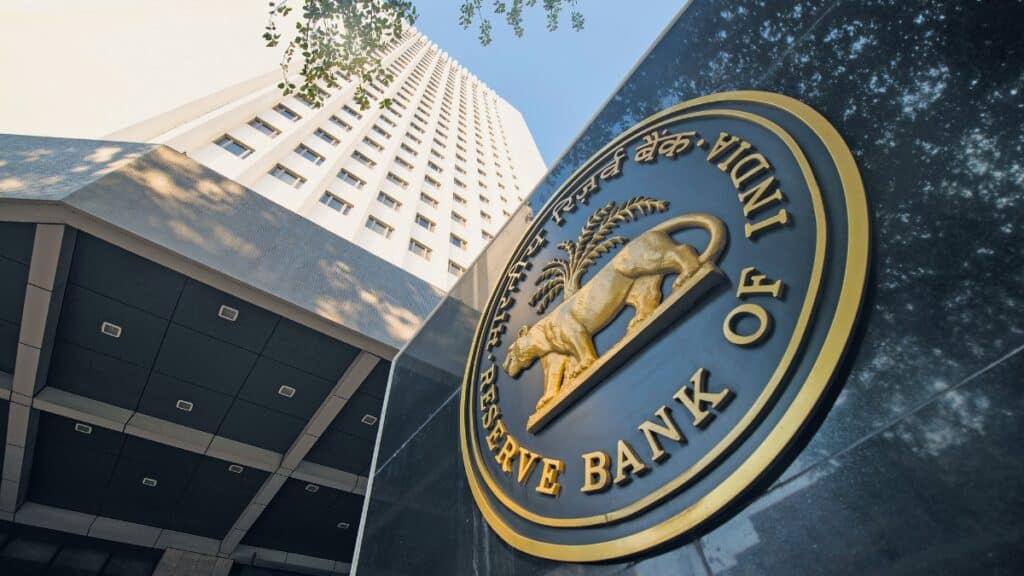
India's central bank has proposed linking the official digital currencies of BRICS nations to simplify cross-border trade and tourism payments. This move could gradually reduce reliance on the U.S. dollar amid rising geopolitical tensions, according to two sources familiar with the matter.
The Reserve Bank of India (RBI) has recommended to the Indian government that a proposal to connect central bank digital currencies (CBDCs) of BRICS members be placed on the agenda for the 2026 BRICS summit, the sources said.
The discussions remain at a preliminary stage, and the sources requested anonymity as they were not authorized to speak publicly.
India is set to host the BRICS summit later this year. If the recommendation is accepted, it would mark the first time a formal proposal to link the digital currencies of BRICS countries is presented at the bloc level.
BRICS includes Brazil, Russia, India, China and South Africa, along with newer member states admitted in recent years.
Objectives and Potential Impact
The initiative is aimed at enabling faster, cheaper, and more efficient payments for cross-border trade finance and tourism, leveraging CBDC interoperability rather than traditional correspondent banking channels.
Such a system could lessen dependence on the U.S. dollar, a prospect that has drawn criticism from Washington. U.S. President Donald Trump has previously described BRICS as "anti-American" and warned that efforts to bypass the dollar could result in tariffs on member countries.
Background and Previous Declarations
The RBI’s proposal has not been previously reported. It builds on a 2025 BRICS declaration made at a summit in Rio de Janeiro, which called for greater interoperability between national payment systems to improve cross-border transaction efficiency.
Despite the potential geopolitical implications, the RBI has consistently stated that its efforts to promote the digital rupee internationally are focused on improving payment efficiency rather than pursuing de-dollarisation.
The central bank has publicly expressed interest in linking India’s CBDC with those of other countries to speed up settlements and expand the rupee’s global use.
Official Responses
The RBI, India’s central government, and the central banks of Brazil and Russia did not respond to requests for comment. China’s central bank said it had no information to share, while South Africa’s central bank declined to comment.
Future Implications
If advanced, the proposal could represent a significant step toward a new digital payments architecture among emerging economies.