


The Web3 movement is fundamentally changing how people manage their finances, store value, and control their data. In Africa, the emergence of new crypto liquidity systems is significantly simplifying the process of buying and selling digital assets for users. Concurrently, blockchain-based data marketplaces are providing individuals and organizations with innovative methods for managing and monetizing their information. These combined developments underscore that Web3 in Africa is not merely about adopting new technology; it is actively shaping a more open and inclusive digital economy.
Key Players Enabling Fiat-Crypto Conversion in African Markets
The robustness of crypto liquidity in Africa is largely dependent on the ease with which users can exchange local currencies for digital assets and vice versa. This crucial process, known as on-ramping and off-ramping, acts as the bridge connecting traditional banking systems with blockchain technology. Companies like Yellow Card and Binance have played a pivotal role in this transition, enabling users to deposit local currencies such as the naira, cedi, or shillings and instantaneously convert them into stablecoins or other cryptocurrencies.
These exchanges are instrumental in overcoming one of the most significant barriers to Web3 adoption: access. In many African nations, banking infrastructure is either underdeveloped or inconsistently distributed. By establishing reliable fiat-crypto gateways, these platforms extend the reach of digital finance to individuals who were previously excluded from global markets.
Another critical factor contributing to this evolution is the integration of mobile money services. Countries like Kenya and Ghana are leveraging mobile wallets, such as M-Pesa, which are increasingly being connected to crypto services. This allows users to transfer value across borders with remarkable speed. This decentralized payment model is proving to be a powerful catalyst for financial inclusion across the continent.
Regulatory and Banking Challenges
Despite the surge in innovation, the regulatory landscape across Africa remains varied. While some governments, like Nigeria's, have moved from restrictive stances to exploring clearer regulatory frameworks for crypto, others are still hesitant. This uncertainty often compels exchanges and wallet providers to operate cautiously within ambiguous legal territories.
Banking relationships also present ongoing challenges. A number of African banks remain reluctant to partner with crypto companies, citing concerns about potential money-laundering risks and unclear compliance standards. This hesitancy can create liquidity gaps and hinder the growth of a sector that is experiencing a notable increase in user adoption.
Nevertheless, progress is evident. The Central Bank of Nigeria has initiated discussions with fintech firms to investigate how cryptocurrencies could potentially support, rather than compete with, existing financial systems. Such a shift could pave the way for more stable payment channels and attract greater institutional investment into Web3 initiatives in Africa.
Stablecoin Usage for Remittance and Trade
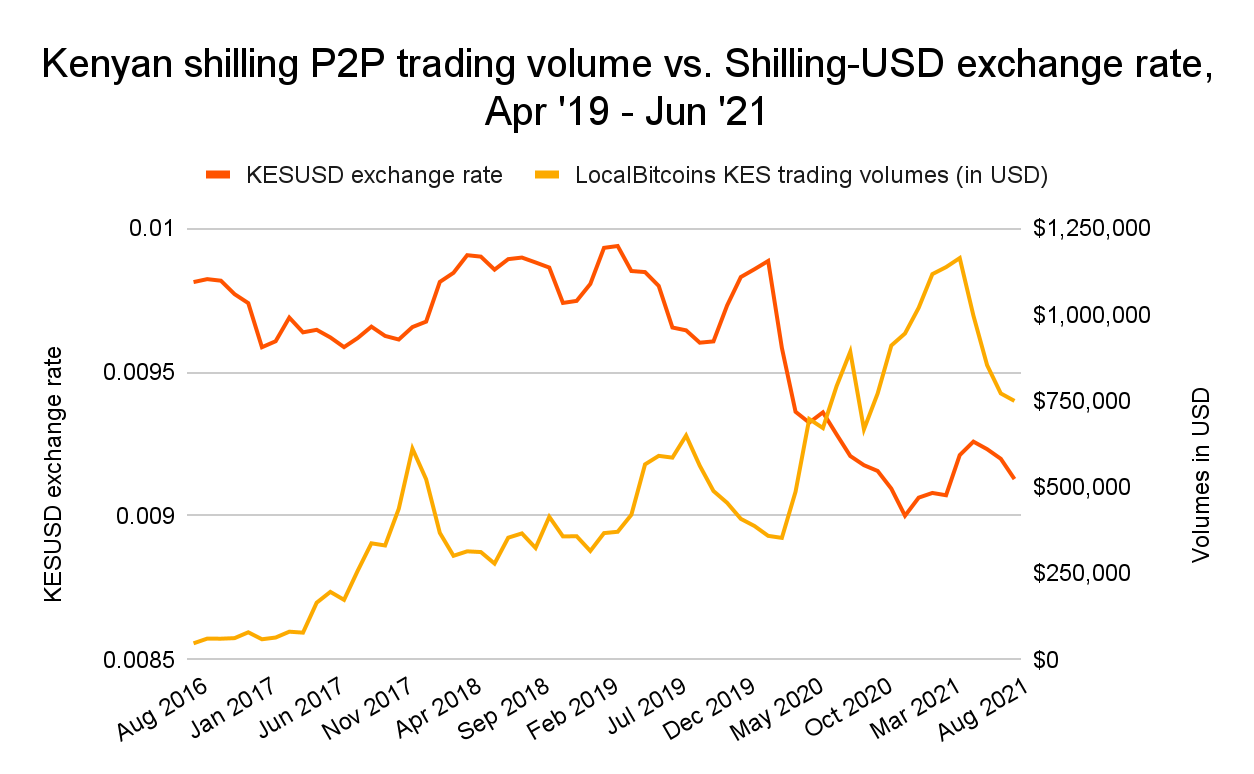
One of the most impactful applications of blockchain technology in Africa is in facilitating cross-border payments. Stablecoins, such as USDT and USDC, are increasingly becoming the foundational element of the continent's crypto economy, offering significantly faster and more cost-effective transfers compared to traditional payment methods.
In regions grappling with inflation or currency shortages, stablecoins serve as a digital alternative to the US dollar. Entrepreneurs have consistently utilized them to procure goods from international markets like China or Europe. Simultaneously, individuals working remotely can receive their salaries directly in stablecoins. Families are also adopting stablecoins for remittances, effectively bypassing the high fees and lengthy delays associated with conventional channels.
This expanding network of crypto liquidity is instrumental in building a regional payment system that is not only faster and cheaper but also more inclusive. By integrating on-ramps, off-ramps, and mobile money services, Web3 is positioning Africa as a leading practical testing ground for blockchain-based financial solutions.
Data Tokenization and Privacy Trade-Offs
Beyond the financial sector, Web3 data economies are revolutionizing how information is stored and shared. These systems challenge the established models of platforms like Google and Facebook, which often amass vast amounts of user data without providing users with adequate control or compensation. Blockchain technology offers an alternative through tokenized data systems, circumventing the practice of large corporations profiting from user information without direct remuneration.
Within these decentralized frameworks, data is transformed into a digital asset that individuals can own, trade, or lease. For example, sensitive information like healthcare records or social insights can be securely stored on a decentralized network. Access to this data can then be managed through data tokens, ensuring transparency and user control over its dissemination.
However, the process of data tokenization introduces certain privacy considerations. Safeguarding personal data requires robust encryption and stringent governance protocols to prevent potential leaks or misuse. The primary challenge lies in developing systems that effectively balance the benefits of openness with the imperative of security.
Identifying Regional Opportunities in Emerging Markets
Africa, alongside Latin America and Southeast Asia, is emerging as a significant hub for Web3 data marketplaces. These regions are particularly fertile ground due to existing challenges related to identity verification, data access, and transparency. For instance, decentralized identity systems are proving invaluable for small businesses in verifying transactions, while governments are exploring blockchain applications for supply chain management and land registry systems.
These regions also boast a young, tech-savvy population that highly values transparency and fairness – core principles of data ownership in the Web3 paradigm. As data increasingly becomes a valuable tradable asset, a growing number of startups are focusing on innovative ways to tokenize local data and establish equitable revenue-sharing models.
Leading Projects and Token Models
Several decentralized marketplaces are at the forefront of this transformative wave. Ocean Protocol, for example, empowers users to securely publish and monetize datasets through blockchain technology. Streamr is another key player, focusing on real-time data streams that can be shared or sold using specialized data monetization tokens.
Furthermore, various projects are developing region-specific solutions, and emerging startups are actively exploring tokenized data applications in sectors such as agriculture and logistics. These initiatives aim to provide farmers with access to credit based on verified production data. Such models not only foster innovation but also stimulate economic growth in previously underserved regions.
In Conclusion
As Web3 adoption continues to accelerate across Africa, the synergy between crypto liquidity and tokenized data economies will become increasingly vital. Crypto liquidity facilitates active participation in the digital economy, while data ownership ensures fairness and empowers individuals. Together, these elements are laying the groundwork for a digital economy that prioritizes the empowerment of individuals and communities over corporate interests.
The continent's advancements in on-ramps, off-ramps, and stablecoin utilization are already setting a precedent for broader engagement in the global Web3 data economy—a future where financial inclusion and data empowerment are intrinsically linked.