


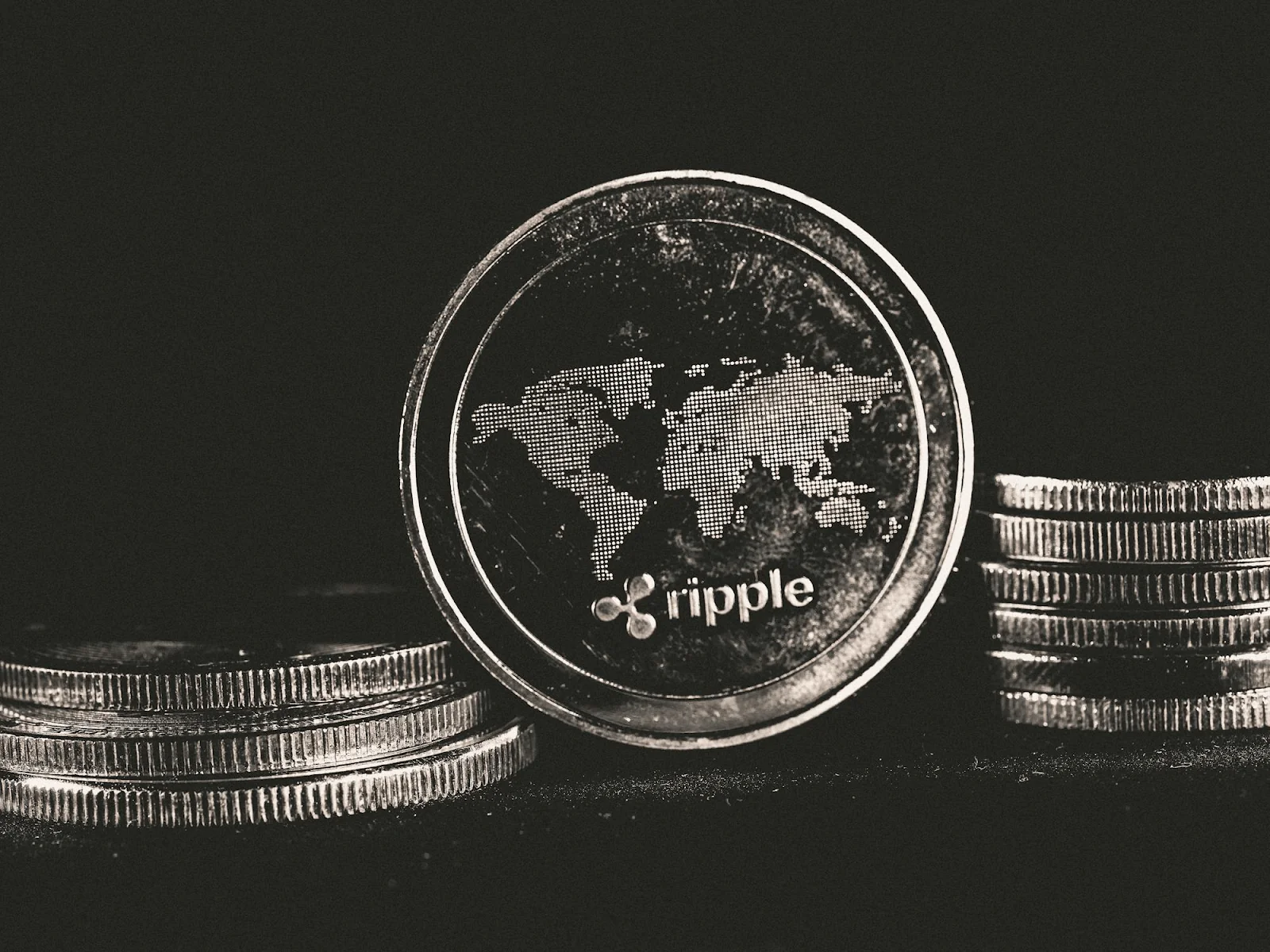
Ripple, once painted as a struggling payment network weighed down by regulatory battles and declining relevance, has undergone a significant transformation. Forbes now describes the company’s evolution as nothing short of a "$180 billion reinvention."
From Criticism to Admiration
In an earlier report, Forbes accused 20 well-known altcoins, including Cardano, Litecoin, and Ethereum Classic, of exhibiting "zombie-like" traits, characterized by limited user adoption, low on-chain activity, and an uncertain business purpose. XRP's inclusion in that list generated considerable backlash from supporters who contended that Ripple's partnerships and enterprise solutions were being overlooked.
However, as Ripple concluded its legal dispute with the U.S. Securities and Exchange Commission and began acquiring smaller fintech entities, even its former critics began to take notice. Forbes now acknowledges that Ripple has successfully transitioned from being "a dormant token issuer" to a comprehensive financial infrastructure company with operations across global markets.
Ripple’s Comeback Story
According to Forbes' latest analysis, Ripple's turnaround is attributed to three primary developments: achieving legal clarity, executing strategic acquisitions, and observing institutional demand for XRP as a treasury asset. The company's $125 million settlement with the SEC eliminated a significant impediment to its operations, while corporate buyers started exploring XRP for cross-border settlements and digital balance-sheet management.
A notable example of this shift came from Evernorth, a firm that aimed to raise over $1 billion in XRP-focused funding. This move signals that traditional finance is increasingly viewing XRP not merely as a speculative token but as a practical liquidity instrument.
A Shift in the Institutional Mindset
Forbes framed Ripple's resurgence as part of a broader reevaluation of how blockchain assets are perceived within corporate finance. The publication highlighted that Ripple is "finally operating like a legitimate multi-billion-dollar fintech empire," emphasizing that its recent successes are founded on effective execution rather than mere hype.
XRP's price surge over the past twelve months, with a gain of approximately 366%, propelled its market capitalization beyond $150 billion, reinforcing the notion of returning investor interest. Forbes pointed out that this appreciation is not solely speculative; rather, it reflects XRP's growing integration into regulated financial systems and the development of new use cases related to liquidity management and corporate treasury models.
A Lesson in Reinvention
The article also drew attention to Ripple's expansion into a more extensive financial ecosystem, which now encompasses tokenized assets, settlement infrastructure, and enterprise-grade blockchain finance, in addition to payments. By redefining itself as a multi-layered services company rather than solely a token-dependent network, Ripple has achieved a rare feat among blockchain projects: transitioning from controversy to credibility.
Forbes' change in perspective is significant not only for Ripple but for the broader industry. It represents an uncommon instance where a mainstream financial publication openly acknowledges a shift in viewpoint, moving from skepticism to recognition. This underscores the dynamic and self-correcting nature of the crypto sector.
What was once dismissed as a "zombie project" is now being recognized as one of the most ambitious corporate turnarounds in blockchain history.