


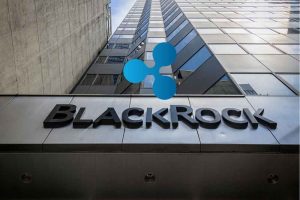
The global financial system is progressively integrating blockchain-based infrastructure, with asset tokenization emerging as a central element of this transformation. As traditional finance seeks more efficient methods for asset issuance, trading, and settlement, even unconfirmed developments involving major institutions can capture significant market attention.
Consequently, recent speculation linking Ripple and BlackRock has garnered intense interest from both cryptocurrency and institutional investors.
According to a post shared by Skipper on X, market reports suggest that BlackRock might be preparing an announcement related to Ripple and the XRP Ledger. While neither company has officially confirmed any collaboration, the discussions revolve around the potential for tokenizing real-world assets, such as real estate, bonds, and commodities, on Ripple’s blockchain infrastructure.
Tokenization Moves Into the Financial Mainstream
Tokenization has transitioned from a niche blockchain concept to a strategic priority for global asset managers. By converting traditional assets into digital tokens, institutions can enhance settlement speed, improve transparency, and unlock liquidity in historically fragmented markets.
Reports say BlackRock is getting ready to announce a partnership with Ripple and the goal is to turn things like real estate, bonds, and commodities into digital tokens on the #XRP Ledger. pic.twitter.com/ykxawycvlg
— Skipper | XRPL (@skipper_xrp) January 16, 2026
BlackRock has publicly acknowledged this trend, with CEO Larry Fink previously characterizing tokenization as a fundamental upgrade to financial market operations.
This broader institutional momentum provides crucial context for why speculation involving Ripple has gained traction. As capital markets modernize, firms are increasingly evaluating blockchain networks capable of supporting large-scale, regulated financial activities.
Why Ripple and the XRP Ledger Attract Institutional Interest
Ripple has consistently focused its technology on enterprise and regulatory use cases, rather than purely speculative applications. The XRP Ledger offers fast transaction finality, low fees, and native tokenization capabilities, making it well-suited for issuing and managing tokenized assets.
These features enable institutions to represent ownership of assets such as bonds, commodities, or property on-chain while maintaining operational efficiency.
We are on X, follow us to connect with us :- @TimesTabloid1
— TimesTabloid (@TimesTabloid1) June 15, 2025
Ripple's growing portfolio of regulatory licenses across key financial jurisdictions further enhances its appeal. This established regulatory presence aligns with the compliance standards that major asset managers require before adopting blockchain-based infrastructure.
BlackRock’s Expanding Digital Asset Strategy
BlackRock has already made significant advancements in the digital asset space, including the launch of spot Bitcoin exchange-traded products and its exploration of blockchain-based funds. The firm has consistently emphasized regulated access, institutional-grade platforms, and integration with existing financial systems.
This strategic approach suggests that any blockchain partnerships BlackRock considers would prioritize scalability, compliance, and long-term viability.
This strategic direction explains why market participants view Ripple as a plausible infrastructure provider, even in the absence of official confirmation.
Separating Speculation From Verified Facts
Currently, reports of a BlackRock–Ripple partnership remain unverified. Neither company has issued statements or filings confirming plans to tokenize assets on the XRP Ledger. Therefore, investors should treat this narrative as market speculation rather than established fact.
Why the Market Is Paying Close Attention
Despite its unconfirmed status, the rumor highlights a larger market trend. Tokenization represents a multi-trillion-dollar opportunity, and the infrastructure capable of supporting regulated financial assets will be at the forefront of this shift. As institutions continue to move in this direction, Ripple and XRP are likely to remain closely watched as potential foundational elements of the next financial era.