


Bilateral Cooperation in Key Digital Sectors
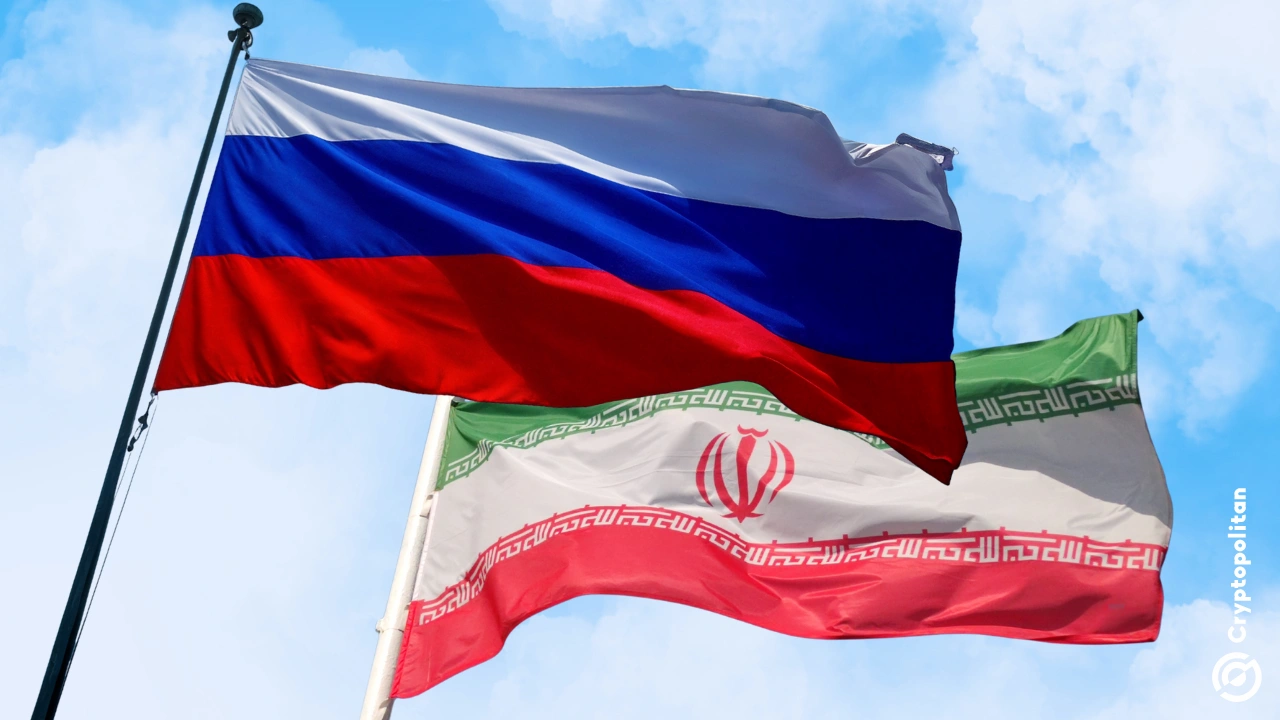
The governments of Russia and Iran have agreed to collaborate in a number of digital areas, including the development of blockchain technologies and artificial intelligence (AI).
Reports of this new initiative between the Russian Federation and the Islamic Republic follow President Putin's similar proposal to India and his recent call for AI and tech sovereignty.
Russia and Iran are set to work together in the IT sector across a wide range of fields of digital development, as unveiled by Russian and Iranian media.
A new memorandum of understanding between the two nations will facilitate joint efforts in building artificial intelligence (AI) systems and smart infrastructure for both states.
The document places a particular emphasis on bilateral partnership in fostering cybersecurity and creating regulatory frameworks, as well as strengthening ties between Russian and Iranian businesses.
The agreement was signed by Meysam Abedi, Iran’s deputy minister of communications and information technology, and Alexander Shoitov, the Russian deputy minister of digital development, communications, and mass media.
The officials sealed the deal in Moscow at the end of the latest meeting of their countries’ joint working group on communications and information technology, according to the Iranian news agency IRNA.
The two governments also plan to commence cooperation in digital finance, specifically in blockchain technology and fintech solutions. This collaboration will encompass the activities of regulatory bodies and tech parks, as noted by Russian media.
Speaking to reporters in the Russian capital, the Iranian representative emphasized that the document underscores the two nations’ determination to expand collaboration in areas such as data transfer, e-government, and the exchange of technical expertise.
Russia's Strategic Priorities in AI and Cryptocurrency
The signing of the memorandum between Russia and Iran occurs after President Vladimir Putin indicated Moscow's readiness to cooperate with New Delhi in AI development.
During a bilateral business forum, the Russian head of state, who recently visited India, insisted on the importance of moving beyond trade in their relations.
“We need to go further and improve industrial cooperation. Together, we will create new modern products and strengthen technological alliances, primarily in advanced and knowledge-intensive industries such as digitalization, autonomous robotics, pharmaceuticals,” Putin elaborated.
“We are ready for a broad partnership with India in the field of artificial intelligence, where our countries have their own advanced developments.”
Putin explicitly remarked that Russia will not miss India’s AI summit scheduled for February 2026, assuring that it “will send a representative delegation to this event.”
In November, the Russian president urged his nation to rally behind domestic AI to ensure its technological independence.
Regarding financial sovereignty, Russia plans to launch its digital ruble for public use next year and seriously focus on regulating transactions with cryptocurrencies within its jurisdiction, with clear indications of aiming for more lenient rules.
Iran's Evolving Stance on Cryptocurrencies
The authorities in Iran, possessing more experience than Russia and India in facing Western sanctions, have also been altering their attitudes towards cryptocurrencies.
During the country’s first major international blockchain conference last month, officials indicated a desire for their country to become a crypto hub, vowing to adopt a “strategic” approach to regulation in the space.
Tehran has also proposed creating a common cryptocurrency for nations in the Shanghai Cooperation Organization (SCO), of which it is a member, along with Russia and India.