


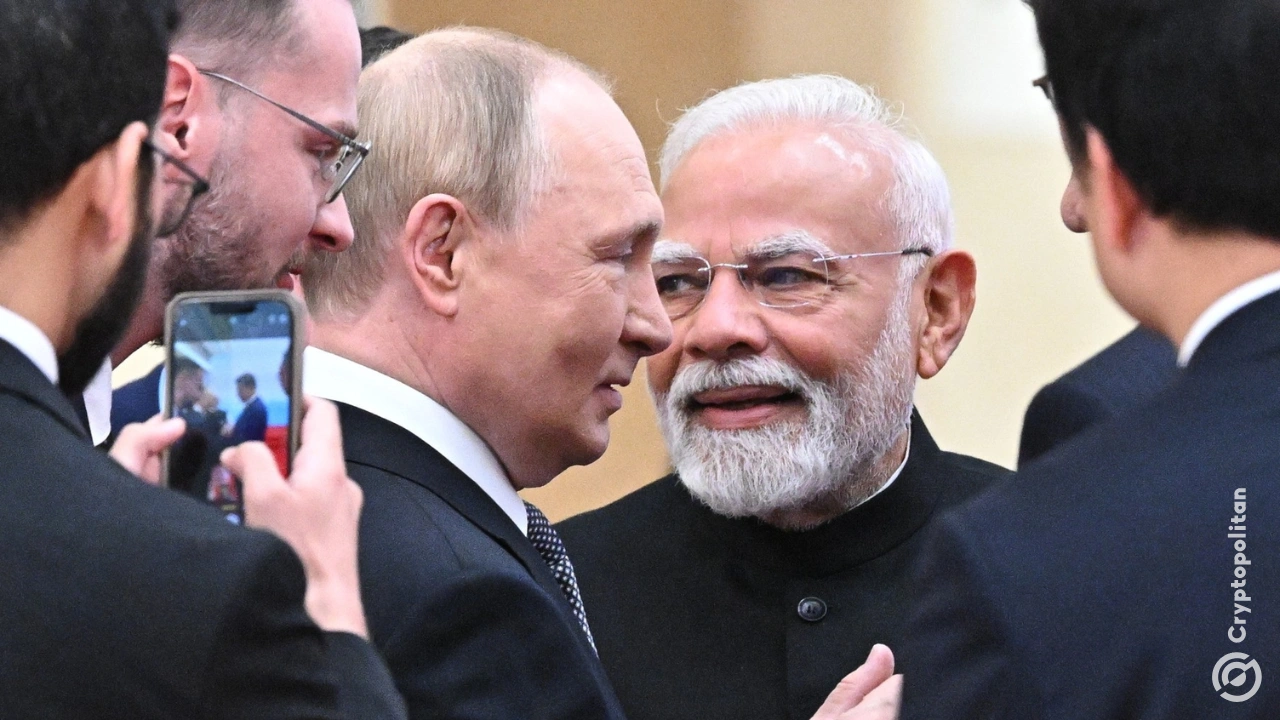
Russian leader Vladimir Putin is visiting India this Thursday for discussions that underscore New Delhi's complex position between Moscow and Washington, particularly as the conflict in Ukraine persists.
The Russian president's state visit includes scheduled meetings with Indian Prime Minister Narendra Modi on Friday. Both nations have stated their intention to review the progress of their partnership, discuss shared concerns, and finalize various departmental and commercial agreements.
India's Stance on Russian Oil and Trade Relations
New Delhi has continued to purchase Russian oil at reduced prices, despite warnings from Washington that these transactions contribute to Moscow's financing of its military operations in Ukraine. In response to these purchases, U.S. President Donald Trump previously imposed 25% duties on Indian goods, increasing the total levies to 50%.
India maintains that these oil purchases are essential for powering its economy and meeting the energy demands of its 1.4 billion citizens.
Putin's last visit to India took place in 2021. Prime Minister Modi traveled to Moscow the following year, and the two leaders had a brief discussion in September during a Shanghai Cooperation Organization gathering held in China.
This summit occurs as the United States advances its plans for peace talks concerning Ukraine and seeks stronger support from key allies.
The peace proposal put forth by President Trump faced criticism for appearing overly favorable to Moscow. American and Ukrainian representatives met in Geneva recently, which led to modifications in the plan.
Prime Minister Modi has not directly condemned Russia for the conflict in Ukraine but has emphasized the importance of pursuing a peaceful resolution.
Sreeram Sundar Chaulia, an international affairs scholar at the Jindal School of International Affairs near New Delhi, explained that India has avoided open mediation to prevent damaging its relationships with both Russia and the U.S.
"But behind-the-scenes diplomacy by Modi is feasible, and has happened already to some extent," Chaulia stated.
He added that Prime Minister Modi might attempt to persuade President Putin "to accommodate some Ukrainian and European concerns to bring about a cessation of hostilities."
Economic Deals Take Center Stage
India and Russia plan to strengthen their bilateral relationship and are expected to finalize multiple documents covering economic partnership, trade enhancements, shipping, healthcare, and media collaborations, according to Indian officials involved in summit preparations. These officials spoke with the Associated Press.
India aims to increase its exports of medicines, agricultural products, and textiles to Russia and seeks the removal of certain trade barriers by Moscow. Additionally, New Delhi is looking for guaranteed long-term fertilizer supplies from Russia.
Both countries are working to establish an arrangement that would facilitate the safe and legal movement of skilled Indian workers to Russia.
Oil Purchases Under Scrutiny
Washington has urged India to cease purchasing discounted Russian oil, asserting that New Delhi is helping to fund Moscow's war efforts. In August, President Trump imposed 50% duties on Indian goods as a measure to pressure India on this issue, as previously reported by Cryptopolitan.
India has refuted these claims, stating that it adheres to global sanctions while prioritizing its national interests and energy security. However, India's position may face new challenges following recent U.S. sanctions against Russian oil companies Rosneft and Lukoil. Indian officials have indicated that the country will avoid oil sourced from sanctioned producers but will continue purchasing from companies not under restrictions.
"India will certainly underscore that there is no Indian desire to cut off energy supplies from Russia completely," said Harsh Pant, vice president of foreign policy at the Observer Research Foundation, a New Delhi-based research group.
Pant noted that future purchases will depend "on the market forces and how effective sanctions are in weaning away Indian private sector or Indian state-run companies from Russian energy sources."
Energy discussions are anticipated to be a dominant topic during the summit, encompassing India's investments in Russia's Far East region and expanded collaboration in nuclear power. The Kudankulam nuclear facility in Tamil Nadu, which was constructed with Russian assistance, remains a cornerstone of this partnership. Officials have indicated that discussions are ongoing regarding local equipment manufacturing and potential joint ventures in other countries.