


Key Points
- •White House AI and Crypto Czar David Sacks has refuted a New York Times report concerning his financial ties, labeling it a "willful misunderstanding" of his government position.
- •Sacks' representatives stated he divested millions in assets to address potential conflicts of interest in his unpaid Special Government Employee role.
- •The NYT report suggested Sacks' advocacy for less stringent AI regulations could financially benefit chipmakers he is connected to, implying conflicts of interest.
Sacks Refutes Claims on Divestments and Policy Influence
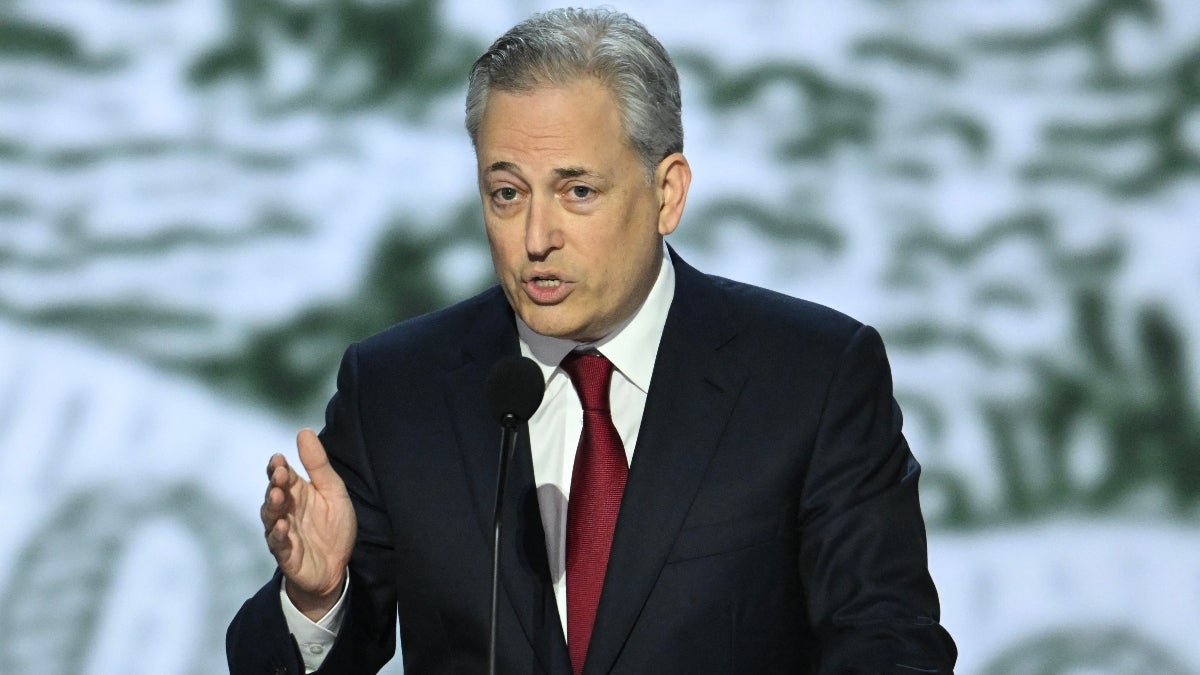
Silicon Valley investor David Sacks, who serves as the White House’s designated AI and Crypto Czar, publicly criticized a major New York Times investigative report published on Sunday, November 30, 2025. The report scrutinized his financial ties and influence within the administration. Sacks condemned the article as a “willful misunderstanding” of his status as an unpaid Special Government Employee (SGE). This designation is intended by Congress to allow experts to maintain specific private business interests while serving for limited periods.
INSIDE NYT’S HOAX FACTORY
Five months ago, five New York Times reporters were dispatched to create a story about my supposed conflicts of interest working as the White House AI & Crypto Czar.
Through a series of “fact checks” they revealed their accusations, which we debunked…
The New York Times report suggested that Sacks’ policy advocacy for looser AI regulations and his extensive network of over 700 tech investments, nearly two-thirds of which are tied to AI, create unavoidable conflicts of interest. The report implied that Sacks’s policies, such as pushing for looser AI chip export restrictions, could result in up to $200 billion in global sales for major chipmakers like Nvidia, companies he is linked to.
In response, Sacks’s legal team asserted that the tech mogul had already taken “significant steps” by initiating or completing the divestment of over 99% of his holdings that could have potentially raised a conflict concern. Sacks had previously divested hundreds of millions of dollars in cryptocurrency before taking office, stating he did not want “even have the appearance of a conflict”. His legal counsel rejected the NYT’s claims, arguing that Sacks’s divestments ultimately cost him on his personal balance sheet. The White House backed Sacks, stating he had addressed all potential conflicts and that his private-sector insights are an “invaluable asset” to the President’s agenda.
Sacks' Stance on AI and Crypto Regulation
Notably, David Sacks has argued that the primary threat from AI is “Orwellian AI” used by governments for surveillance and manipulation, rather than a mechanical uprising. He opposes “heavy-handed” consumer protection laws, believing they stifle innovation and risk ideological bias, and suggests existing laws suffice to address misuse. However, Sacks contrasts his pro-freedom AI stance with his call for apparent regulatory certainty in the crypto market to ensure stability.