



Introduction of Flexible Home Internet Packages
Kenyan-based telecoms operator Safaricom is set to launch a pay-as-you-go fibre broadband service for Kenyan homes and offices. This model is part of the company’s plan to offer home internet in smaller, more affordable packages.
This initiative comes amid households struggling to meet the standard monthly billing model, which does not meet their needs. With the incoming introduction, Safaricom is introducing small payment plans that help the company transform its success in mobile to fibre internet services.
Strategic Shift Towards Flexible Pricing
For Safaricom, the goal is to triple the size of Kenya’s fixed broadband market over the next five years. As part of the strategy, it will be shifting from its monthly plans to daily, weekly, and monthly options, similar to its mobile data pricing.
Presently, the telecoms operator has between 400,000 and 500,000 fixed fibre customers, a far figure from its over 50 million mobile users. The company aims to increase the number of homes connected from 400,000 to 4 million.
Leadership and New Pricing Models
In achieving its growth targets, Safaricom has appointed Sylvia Anampiu as Director of Fixed Business, who will spearhead this crucial initiative for the operator's future growth.

Anampiu will oversee new pricing models designed to lower the cost of entry for households outside high-income communities. She will also be strengthening the company’s push to bundle fixed connectivity with ICT, cloud, and IoT services for small and medium-sized businesses, a segment the company sees as underserved.
Anampiu, who took up the role from January 5th, is leading strategy, growth, and profitability across Safaricom’s fixed broadband business, spanning home and enterprise connectivity.
She joins from Bayobab Kenya, part of MTN Group, where she served as managing director and led fibre network expansion. She has previously held leadership roles at Airtel Africa, Orange Kenya, and Bayer East Africa.
Pay-as-you-go Fibre Broadband: Core to Safaricom’s Growth
Safaricom is positioning the rollout as an initiative that is central to the company’s next growth phase.
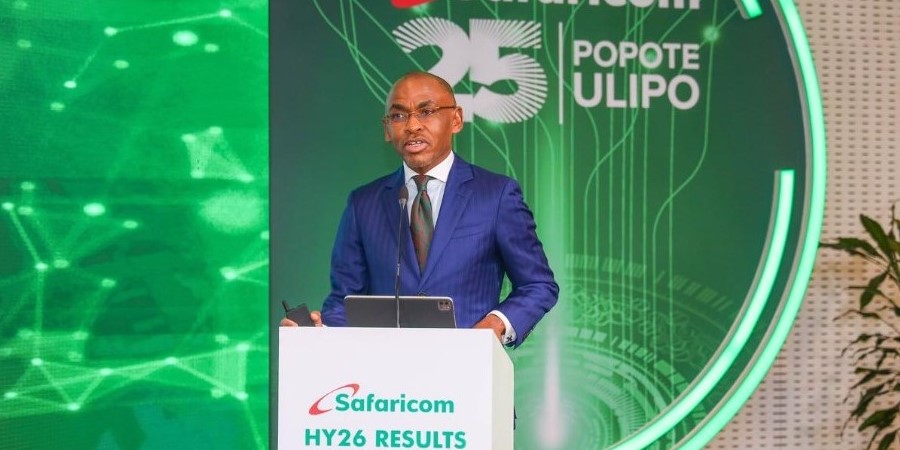
Chief Executive Officer Peter Ndegwa explained that the company wants to transform fixed services with flexible pricing, the same way it did for mobile data. He added that by changing its approach and pricing strategy, there is room to expand participation and still manage the cost to serve.
“We have just over 400,000 customers on fixed broadband today, in a market that is only serving about 1.2 million. At a country level, the opportunity is closer to four million. That leaves roughly three million people still to be connected,” he said.
In its outlook, Safaricom expects the segment to grow by as much as 50% a year, with a mix of fibre, 5G fixed wireless, and cheaper customer devices.
In addition to the prepaid fibre, which allows customers to buy broadband in time-based bundles instead of committing to monthly plans, the telecoms operator plans to roll out tokenized Wi-Fi access in the second half of its financial year, running from October to March.
Ndegwa noted that fixed broadband and enterprise services are key to ensuring customers have a quality internet experience and are not focused solely on rolling out a new product. This comes as Safaricom aims to tighten integration across its consumer, business, and public sector operations.