


Altcoins have always navigated the challenging terrain between innovation and regulatory scrutiny. In 2026, this space feels increasingly constricted, more scrutinized, and significantly more expensive to operate within. What was once a gradual negotiation between developers and regulators has evolved into a critical survival exam.
For many projects, success is no longer measured by hype, community size, or exchange listings alone. Instead, it hinges on achieving legal clarity, demonstrating operational discipline, and proving real-world utility without resorting to ambiguous language.
At the forefront of this pressure is SEC crypto regulation, which is fundamentally reshaping how altcoins are issued, marketed, traded, and how they interact with their users. This regulatory environment directly influences which tokens can comfortably serve U.S. customers, which will need to establish operations offshore, and which will eventually fade into irrelevance.
The central question is not whether altcoins will cease to exist. A more pertinent inquiry is which types of altcoins can still achieve growth under the tightening, evolving U.S. regulations that increasingly prioritize investor protection.
Why SEC Crypto Regulation is the 2026 Survival Test for Altcoins
In late 2025, the SEC began signaling a more structured approach to digital assets through its public agenda and direct statements about establishing clearer guidelines for issuance, custody, and trading. This shift is significant because the market had, for years, operated on a less defined basis of sentiment, selective enforcement, and court interpretations that were not always definitive.
The industry is now contending with a more formalized direction. SEC leadership has characterized "Project Crypto" as an initiative to apply federal securities laws to crypto assets with greater consistency and practicality. Regardless of market sentiment, this is the regulatory framework under which altcoins are operating in 2026.
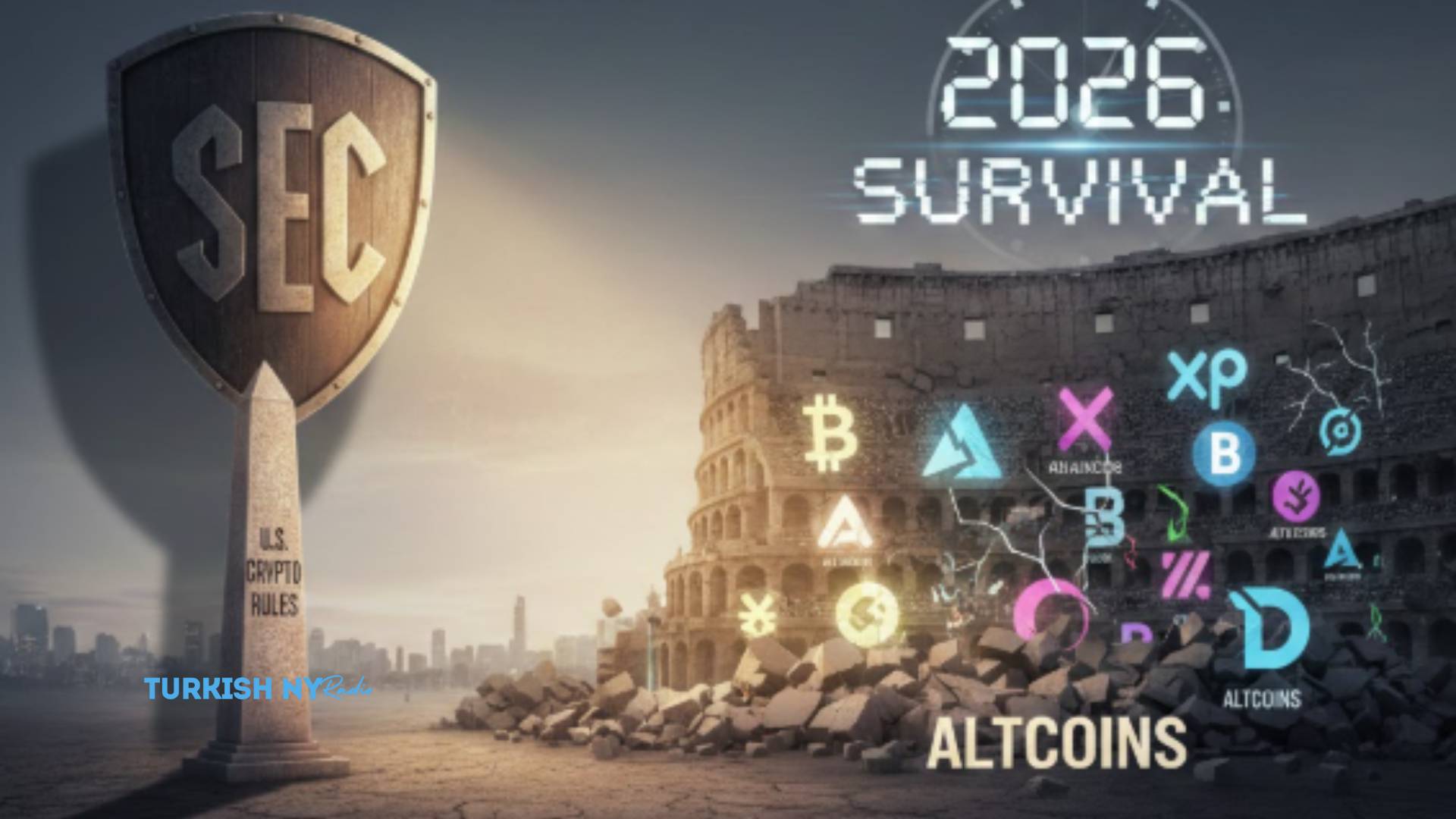
The survival test is straightforward: if a token functions like a speculative investment product and is marketed as such, the SEC will treat it accordingly. Conversely, if a token serves as infrastructure, possesses genuine utility, and avoids a "profit-first" sales approach, it stands a better chance of enduring. This is why SEC crypto regulation in 2026 feels less like a fleeting headline and more like an inescapable force.
The SEC is Not "Anti-Altcoin", It is Anti-Chaos
Many retail traders still perceive the SEC as an antagonist to cryptocurrency itself. The reality is far more mundane, and that is precisely what makes it perilous for less robust projects. The SEC consistently emphasizes investor protection, proper disclosures, and the prosecution of outright fraud.
This stance is evident in enforcement actions and press releases that frequently highlight schemes targeting retail investors, including fraudulent platforms and cases of misappropriation. Against this backdrop, an altcoin team that engages in lax marketing, ambiguous token allocations, and governance based on implicit trust is essentially inviting regulatory challenges.
In 2026, the SEC is also actively participating in public roundtables concerning crypto trading, custody, and the classification of digital assets. This indicates the agency's desire for the rules debate to occur openly. While this does not grant altcoins a free pass, it does provide a window for serious projects to align themselves with regulations early, before market pressures compel them to do so.
The Real Killers: Listings Risk, Liquidity Shocks, and "Silent Delistings"
Altcoins typically do not collapse due to a single regulatory announcement. Their downfall often stems from exchanges and market makers reassessing risk overnight.
When exchanges perceive that a token's legal status could expose them to liability, the reaction is usually subtle rather than dramatic. A token might be removed from specific trading markets, have its U.S. trading limited, lose trading pairs, or be relegated to "sell-only" modes. This leads to a drying up of liquidity, widening spreads, and a chart that resembles a gradual leak rather than a sudden crash.
This is where SEC crypto regulation becomes a business model challenge, rather than a philosophical disagreement. A token could possess groundbreaking technology, but if it cannot maintain stable U.S. liquidity, it becomes increasingly difficult to attract developers, users, and long-term capital.
In 2026, liquidity is paramount. The valuation of most altcoins is not solely based on fundamentals; it is also influenced by accessibility, distribution, and market confidence.
Market Structure Laws Could Change the Game, But Politics Can Stall Everything
The year 2026 presents an interesting dynamic. U.S. lawmakers have been advancing market structure legislation aimed at defining whether digital assets fall under securities laws, commodities laws, or a hybrid category. In January 2026, senators introduced draft legislation intended to reduce legal ambiguity and clarify regulatory jurisdiction, including granting the CFTC expanded oversight over spot crypto markets.
This legislative effort also proposed restrictions on stablecoin rewards, seeking to prevent models that offer "interest simply for holding" while still permitting some reward structures tied to network activity.
However, the political process is inherently complex. A Senate committee markup of a significant market structure proposal was postponed following opposition from industry stakeholders, highlighting the continued fragility of consensus.
While Congress has the potential to alleviate pressure on altcoins by establishing clear definitions, legislative delays can leave the market in a state of uncertainty. This limbo period amplifies the perception of enforcement risk. In such an environment, SEC crypto regulation continues to serve as the de facto operational guide, even if its application is not always perfectly clear.
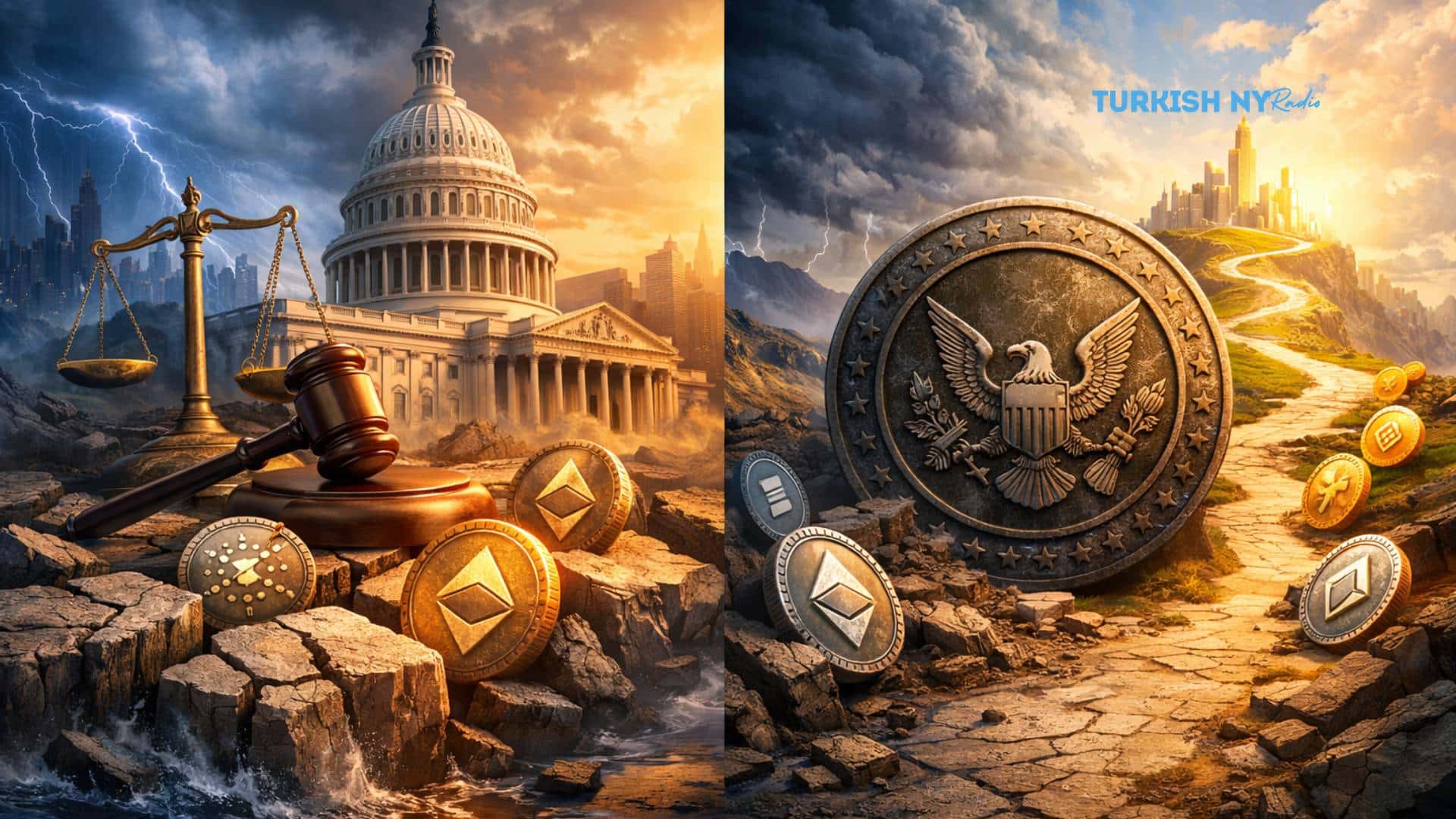
The Compliance Pivot: Token Design is Changing in Real Time
The most astute adjustments are occurring discreetly, embedded within the design of tokens themselves. In 2026, an increasing number of projects are prioritizing "use-first" mechanics over "speculate-first" strategies. This includes:
- •Practical utility linked to network resources.
- •Fees for services rendered on the network.
- •Staking mechanisms that support network security rather than marketing speculative yield.
- •Governance structures that are more than just a superficial layer for centralized control.
Teams are also exercising greater caution regarding supply schedules, insider allocations, and the communication of future value propositions.
In the SEC's regulatory framework, public perception carries significant weight. If public messaging conveys a promise of returns, the token begins to resemble an investment contract rather than a piece of infrastructure.
This represents the subtle yet powerful influence of SEC crypto regulation. It is guiding the market away from meme-driven fundraising towards more defensible economic models.
What "Altcoin Survival" Looks Like in 2026
Altcoins are capable of survival, but the characteristics of the surviving projects will differ significantly from those of the 2021 era.
Some will endure by evolving into robust networks with measurable usage and consistent fee revenue. Others will survive by concentrating on non-U.S. markets while maintaining sufficient compliance to avoid becoming problematic for U.S. exchanges. A further segment will survive through strategic partnerships, where their tokens function as integrated components within larger ecosystems rather than as independent speculative assets.
The altcoins facing the greatest risk share common attributes: substantial insider ownership, aggressive price promotion, ambiguous token utility, and a tendency to constantly reinvent their narrative whenever market momentum wanes.
This is why SEC crypto regulation does not affect all altcoins equally. It tends to impact weaker structures first, much like a harsh winter affects poorly constructed buildings before impacting well-built homes.
Investors Are Adapting Too: The 2026 Checklist is Sharper
The mindset of retail investors is evolving, albeit gradually. In 2026, more discerning participants are looking for indicators that a token possesses the resilience to withstand regulatory scrutiny.
They are paying close attention to the transparency of token distribution, the documentation of governance processes, the identifiability of core contributors, and whether the project has a legal strategy that extends beyond simply "ignoring the U.S. and hoping for the best." They also monitor whether a token's value is derived from actual usage or from cyclical attention.
In this regard, SEC crypto regulation is functioning as a filtering mechanism. It is compelling the market toward higher standards, even when traders express dissatisfaction in the short term.
Conclusion: Altcoins Will Survive, But the Era of Easy Survival is Over
Altcoins are not facing extinction in 2026. Instead, they are maturing under increased pressure. The projects that succeed will not be those that are merely the loudest, the most entertaining, or the fastest to gain traction on social media. They will be the ones engineered to withstand legal review, exchange risk management protocols, and investor skepticism. These successful projects will deliver products that people genuinely use, structure their tokens as functional tools rather than speculative lottery tickets, and communicate in a manner that is transparent and verifiable.
This is the honest assessment: SEC crypto regulation is compelling altcoins to mature. Some will adapt successfully. Many will not. The market may see a reduction in the sheer number of tokens, but this could lead to an increase in overall quality, potentially representing the most constructive outcome for the space in years.
Frequently Asked Questions (FAQs)
Will U.S. regulation wipe out most altcoins in 2026?
A complete eradication of most altcoins is improbable. A more likely scenario is a market shakeout where projects with weak fundamentals and excessive hype lose listings and liquidity, while more robust networks adapt and maintain accessibility for U.S. users.
What types of altcoins have the best chance to survive SEC pressure?
Projects characterized by clear utility, transparent token distribution, credible governance, and responsible marketing generally face lower regulatory risk compared to tokens primarily promoted as investment opportunities promising high returns.
Does a market structure bill change everything for altcoins?
It has the potential to significantly alter the landscape, particularly if it clearly delineates regulatory jurisdiction and categorizes different types of tokens. However, legislative delays contribute to ongoing uncertainty, which in turn sustains a high level of enforcement risk.
Glossary of Key Terms
Altcoin
Any cryptocurrency other than Bitcoin, often associated with a specific network, application, or digital ecosystem.
Investment contract
A legal concept frequently applied in securities analysis, particularly concerning whether buyers anticipate profits derived from the efforts of others.
Market structure bill
Legislation intended to define the regulatory framework for digital assets and establish which government agencies have authority over various segments of the cryptocurrency markets.
Delisting
The removal of a token from trading on an exchange, often due to insufficient liquidity, compliance concerns, or regulatory directives.
Token utility
The practical function a token serves within its native network, such as facilitating fee payments, securing the blockchain, or granting access to services.
Disclosure
The provision of clear, publicly accessible information regarding risks, token supply, governance mechanisms, and operational aspects of a project, aligning with expectations similar to traditional financial markets.
Project Crypto
A framework outlined by SEC leadership focused on the consistent and practical application of securities laws to crypto assets.