


Key Developments in Crypto Regulation
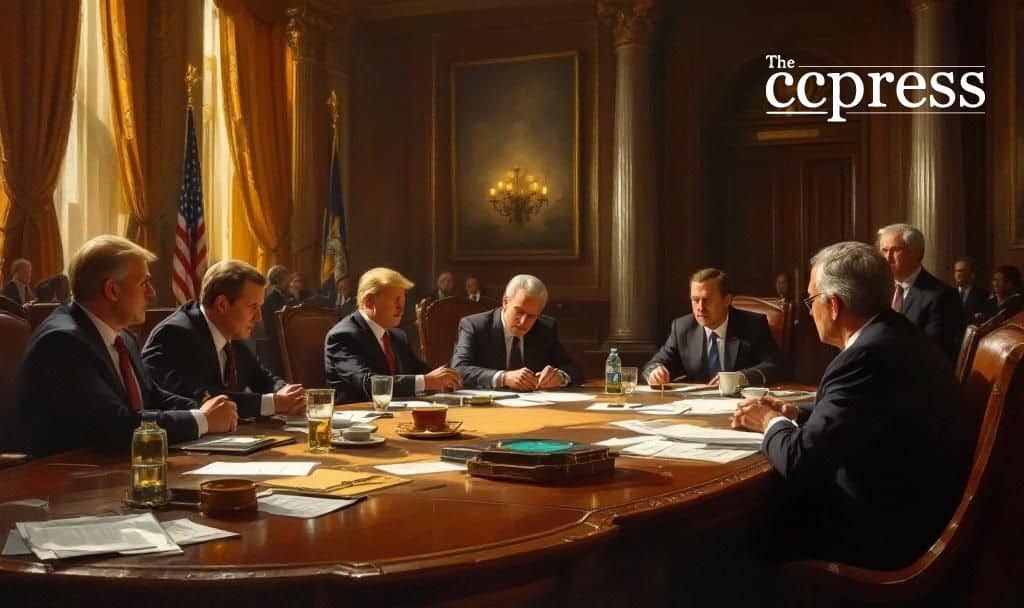
The U.S. Senate is reportedly targeting December 8 for a markup of a bipartisan crypto market structure bill. This anticipated legislative move holds potential importance for establishing regulatory clarity in digital asset markets, though its implications remain speculative without official confirmation.
The U.S. Senate is reportedly considering December 8 for the markup of a crypto market structure bill. Bipartisan discussions are ongoing, yet no official confirmations have been issued by key government entities or industry leaders.
Emphasis on Clear Rules and Consumer Protection
Senate Agriculture Committee leaders John Boozman and Cory Booker emphasize the need for robust regulations, enhancing consumer protection. Their statements stress the importance of clear rules which underscore the blockchain sector's potential impact. As John Boozman has stated, "The CFTC is the right agency to regulate spot digital commodity trading, and it is essential to establish clear rules for the emerging crypto market while also protecting consumers." This discussion draft advances those goals and lays an important marker as we work toward final policy language.
Potential Impact on the Cryptocurrency Sector
The legislative actions could significantly affect the cryptocurrency sector, driving new regulatory developments. Financial and technological domains anticipate these changes, though certain outcomes remain speculative due to the lack of concrete confirmations.
Observers note potential implications for market structures and consumer engagement, particularly as regulation advances. Pending official confirmations, the bill may reshape compliance norms, influencing institutions and businesses involved in digital commodities.
Without concrete statements, stakeholders rely on speculative insights. Continued bipartisan dialogue suggests alignment on regulatory frameworks. The Senate's actions, if confirmed, would reflect broader trends within financial legislation impacting the crypto sphere.
Historical legislative patterns indicate possible shifts in regulatory oversight by entities like the CFTC. Effective rulemaking could streamline financial operations and promote consumer trust. Yet, until formally confirmed, speculation envelops technological outcomes.