



Nigeria is poised to launch its inaugural domestic mosquito net manufacturing facility, a significant development that signals a strategic shift towards local production for combating malaria, moving away from reliance on imports.
The SNG Health facility, a collaborative venture between Swiss company Vestergaard and Nigerian firm Harvestfield, has commenced operations. This new facility is projected to produce 10 million long-lasting insecticidal nets annually and is expected to generate over 600 jobs throughout its construction and operational phases.
The establishment of this facility represents a substantial investment exceeding $30 million, contributed by Vestergaard and Harvestfield. Additional financial backing for the project has been provided by the Gates Foundation, the United States International Development Finance Corporation, and MedAccess.
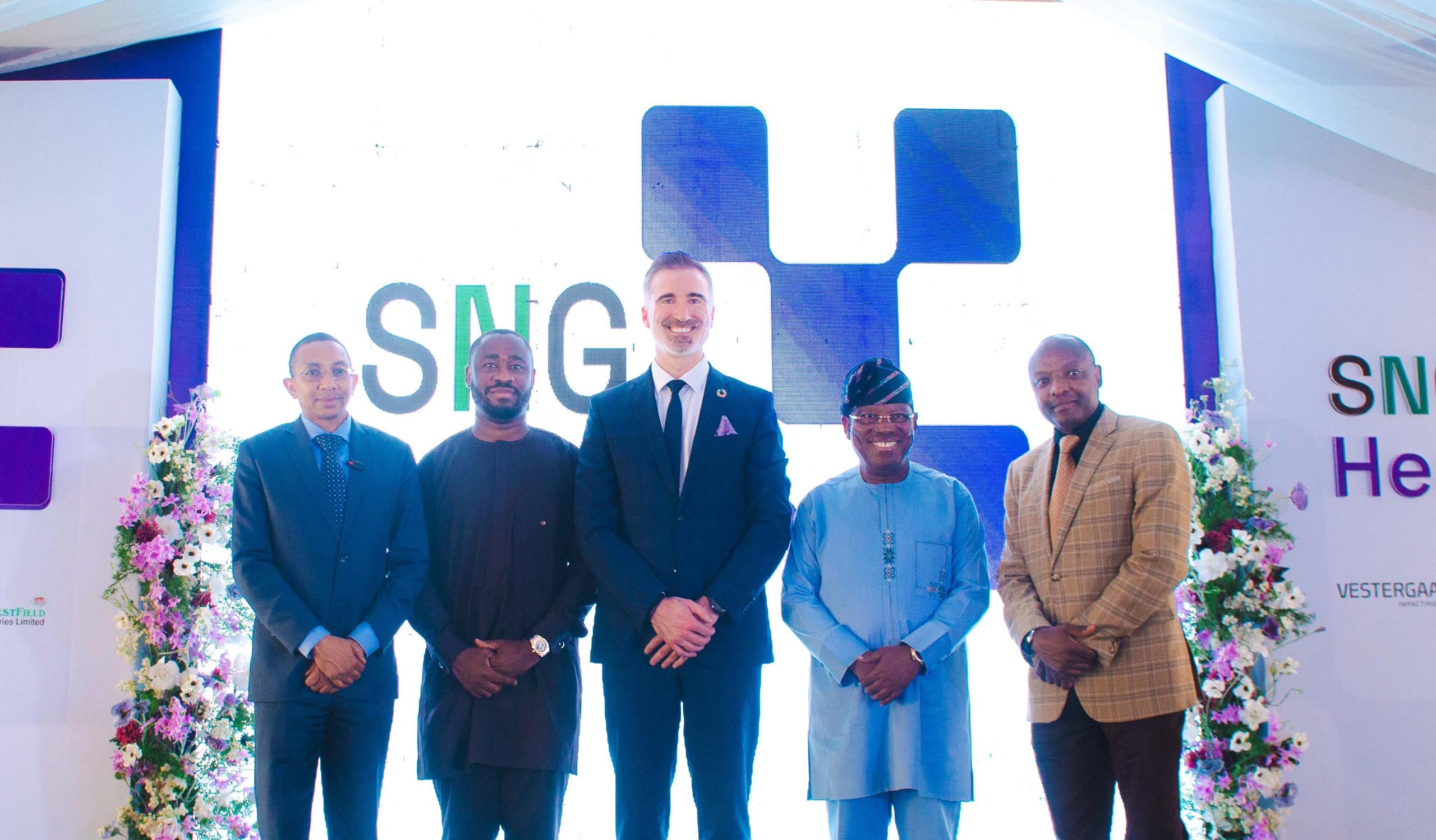
During the groundbreaking ceremony, Isaac Awofisayo, Deputy Managing Director of SNG Health, underscored the project's dual objectives: enhancing health security and fostering economic development within Nigeria. He stated, "We are looking after our people in Nigeria. We will create 100 jobs for our people in Nigeria through construction all the way to operations." Awofisayo further assured that the facility will guarantee sustainable access to WHO pre-qualified long-lasting insecticidal nets for years to come.
Local Mosquito Net Manufacturing Addresses Import Dependencies
Nigeria currently accounts for 25 percent of the global malaria burden. Historically, all mosquito nets distributed within the country have been imported.
Nicholas Schornoz, Chief Financial Officer of Vestergaard, highlighted that this import dependency introduces additional costs, potential delays, and inherent uncertainties into a critical supply chain for life-saving products. "Building this facility and producing the next generation of insecticide-treated nets here in Nigeria are changing the equation," Schornoz remarked. He explained that by enabling domestic production of dual active ingredient insecticide nets, SNG Health can effectively respond to national needs in real-time, ensuring consistent availability, stability, and resilience in the face of increasing insecticide resistance.
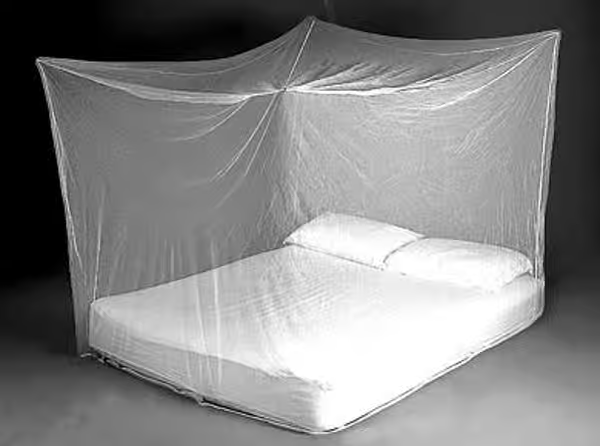
The facility will manufacture PermaNet Dual, an advanced mosquito net designed with two distinct insecticides. This dual-action approach is specifically engineered to combat mosquito populations that have developed resistance to single-ingredient treatments.
Schornoz further emphasized that this initiative will provide Nigerians with access to world-leading mosquito nets manufactured within Nigeria, for Nigeria. This localization is expected to stimulate local job creation, skill development, and enhance industrial competitiveness.
He cited data indicating that mosquito nets remain the most effective tool in malaria prevention, responsible for averting 72 percent of all malaria cases over the past 25 years. More recently, new dual active ingredient nets alone have prevented an additional 40 million cases since 2017.
Martins Awofisayo, Chief Executive Officer of Harvestfield, described the partnership as the realization of a long-held dream for his company, which has been actively involved in Nigeria's malaria prevention sector for the past 25 years. He reminisced about Harvestfield's modest beginnings in February 2000, when the company manually dipped plain nets in insecticide solutions and dried them in living rooms before bringing them to market.
"Isaac [Awofisayo] used to be the leading one spreading the net in our living room when we were still doing the dip washing," Awofisayo shared, referring to his son. "And today, it’s a dream come true that that same young Harvestfield is now partnering with the biggest manufacturer, the world’s largest manufacturer of insecticide-treated nets."
Awofisayo recalled that Vestergaard had celebrated the production of its first one billion mosquito nets at an event two years prior, which was attended by Nigeria’s Minister of Health. He stated, "Together we are establishing a facility that will deliver long-lasting insecticidal nets produced in Nigeria for the first time," underscoring that the nets to be manufactured represent the latest generation available.
Awofisayo confidently referred to the facility as the "end of discussion" regarding import reliance.
International Perspectives on Local Manufacturing
Cornelia Camenzind, Consul General of Switzerland in Lagos, contextualized the project within broader African manufacturing priorities. She pointed out that a significant 70 percent of public health commodities in Africa are imported, despite the continent bearing 95 percent of global malaria cases.
"This factory stands for the first African country that will produce dual active ingredients at scale. I think that deserves a loud applause," Camenzind stated. She shared her personal connection to malaria prevention work, recalling her earlier posting in Tanzania in the early 2000s, where the Swiss Tropical Institute of Health in Basel played a leading role in developing functional malaria vaccines and promoting impregnated mosquito netting for vulnerable populations.
Camenzind highlighted Switzerland's consistent recognition as the world's most innovative country for 14 consecutive years, noting that Vestergaard exemplifies this tradition by collaborating with global partners to disseminate knowledge through cooperation among business communities and research projects. She added that 50 Swiss companies are currently operating in Nigeria, with Vestergaard, Harvestfield, and SNG Health serving as a prime example of successful partnerships.
Onoriode Ezire, Task Team Leader for the World Bank, framed the project within the institution's global objective of job creation as a means to reduce poverty and address inequalities. "Your intention, your work that you have done with Vestergaard, is contributing to achieving our own goal, which is creating jobs as a way to reduce poverty and address inequalities in the world," Ezire told the assembled stakeholders.

He further emphasized the human capital aspect, noting that malaria-related absences from work directly impact productivity and GDP. "If you are sick, you can’t work. If we can’t work, we can’t be productive. If the country is not productive, our GDP will go down. So your partnership with Vestergaard is helping to achieve our goal of strengthening human capital."
Ezire recounted that two years prior, Vestergaard had inquired with the World Bank about the potential purchase volume of nets if the company established a factory in Nigeria. "I think it was a difficult question, but then I made some commitment that yes, if you can set up a factory as soon as possible, under the HIPAA project, we can encourage our partners, that is the state government, to buy from you," he said.
He confirmed that Lagos State has already committed to purchasing nets from the facility this year and expressed optimism that six other states implementing the HIPAA project would follow suit.
The facility's strategic location in Ogun State provides proximity to major transportation infrastructure. It also benefits from the support of various government agencies and international organizations, including the Presidential Initiative for Unlocking the Healthcare Value Chain, the National Malaria Elimination Programme, and several development partners.
Dr. Abdul Mukhtar, the PVAC National Coordinator, discussed the project's impact, stating that "strategic partnerships" are instrumental in bringing the initiative to fruition. He assured, "The Nigerian government will do whatever is possible to support this project…when you produce, we’d buy."