



The National Gambling Board (NGB) in South Africa has issued a clarification stating that a recent ruling, which prohibited online sports betting platforms in Gauteng from offering roulette without a casino license, now applies to all districts across the country. This follows a Supreme Court of Appeal ruling that bans betting platforms from offering casino or interactive games in South Africa.
According to MyBroadBand reports, the NGB has backed the Supreme Court’s ruling, emphasizing that the judgment is effective and prohibits online sports betting services from offering casino games through their platforms. The regulator noted that the ruling, which originated under the Gauteng Gambling Act, now has implications for all bookmakers nationwide.
The Supreme Court held that, in terms of the Gauteng Gambling Act, it is unlawful for bookmakers to offer fixed-odds bets on the outcome of a casino game, including the game of roulette.
The gambling regulator highlighted that this judgment further clarifies the country's regulatory framework and distinct approaches to casinos and betting as separate forms of gambling.
The NGB explained that "betting" specifically refers to activities like sports betting, whereas "interactive gambling" encompasses playing casino games such as roulette, blackjack, and poker online.
Therefore, the NGB calls on all bookmakers who engage in this practice of offering casino-style games as their source of contingency betting to refrain from such practices and comply with the applicable laws.
Furthermore, the regulator's acting CEO, Lungile Dukwana, urged all provincial licensing authorities to oversee their respective licensees' adherence to the law and their license conditions. He also stated that the law empowers the NGB to withhold winnings derived from illegal gambling activities.
Interactive gambling is unlawful, and any person or entity offering such games is engaging in unlawful gambling operations. Winnings emanating from interactive gambling will be isolated and confiscated in line with section 16 of the National Gambling Act.
The board pointed out that the National Gambling Act mandates criminal sanctions for individuals who contravene the law. These sanctions can include imprisonment for up to ten years, a fine of up to R10 million (approximately $585,000), or both.

Betting Platforms in South Africa Face Strict Regulation Amidst Market Growth
According to the NGB's annual reports, online sports betting platforms have emerged as a significant revenue stream for provincial authorities, with betting turnover now substantially exceeding that of casinos. The reports indicated that South Africans gambled a total of R1.14 trillion (approximately $67 billion) during the financial year ending March 31, 2024.
During this period, gross gambling revenues amounted to R59.3 billion (approximately $4 billion), with betting, predominantly online on events such as horse racing and sports, accounting for 60.5% of this total. Another report by The Outlier noted a consistent increase in money spent on betting since approximately 2021.
In response to this surge, South Africa is implementing regulations to ensure proper coordination within the sector.
The NGB stated that licensees are obligated to operate strictly within the parameters defined by their licensed gambling mode. The board clarified that South Africa does not permit interactive gambling; however, the betting sector is allowed to offer its fixed-odds betting services through online platforms.
The authority to accept bets online by betting licensees is not intended to extend to interactive gambling as this remains unlawful in terms of section 11 of the National Gambling Act.
The board further noted that by offering online casino-style games, some betting operators are effectively functioning as casinos, which is against the law. The NGB emphasized that this practice is both unlawful and constitutes an unfair practice, as licensed casinos are prohibited from offering similar casino-style games online.
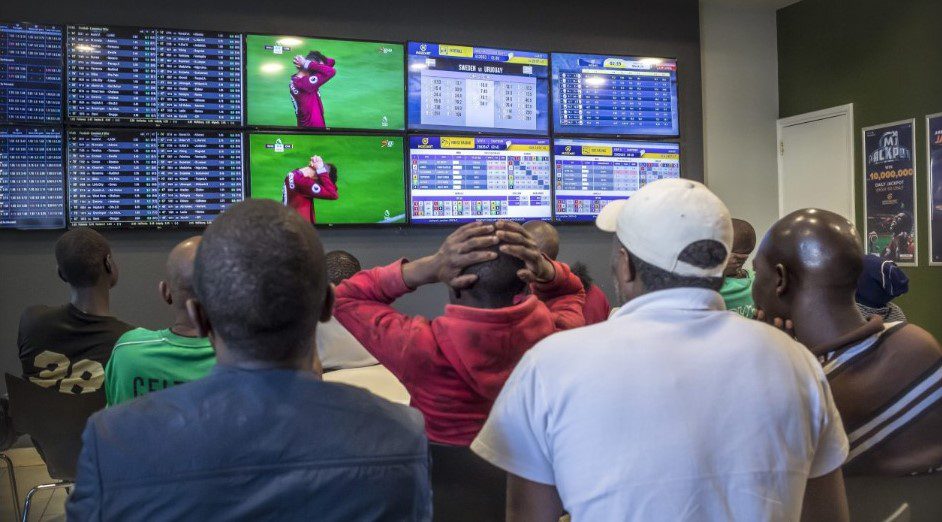
Conversely, gambling has provided substantial additional tax revenue for the provincial governments that issue gambling licenses. The NGB report indicated that the Western Cape generated over 30% of its tax revenues from gambling, totaling nearly R1.6 billion (approximately $85 million) in the year ending March 2024.
Gauteng ranked second, collecting R1.15 billion (approximately $67 million) in taxes (23.8% of the total). Mpumalanga followed in third place with nearly R890 million (17.8%, approximately $52 million), and KwaZulu-Natal was fourth with R734 million (15.2%, approximately $43 million) in collected taxes.