


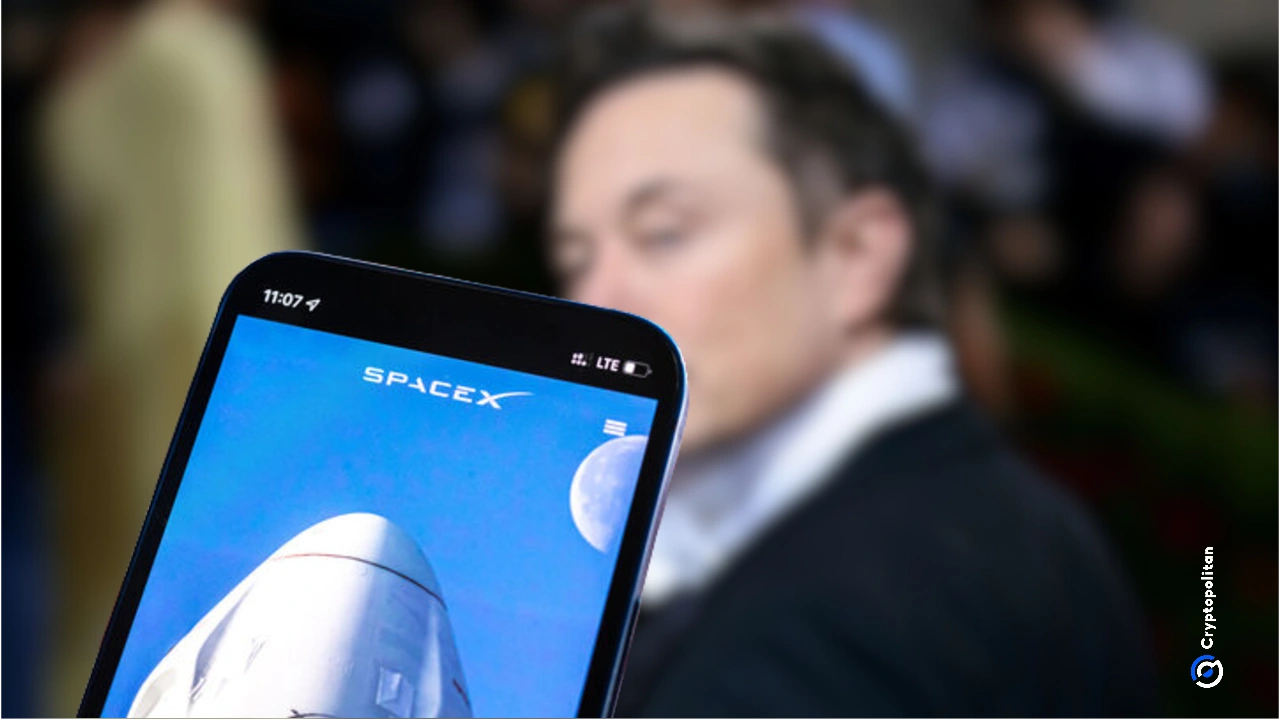
Elon Musk’s SpaceX is progressing towards an initial public offering (IPO) with ambitious plans to raise well over $30 billion, targeting a full valuation of $1.5 trillion. This valuation would be the highest ever recorded, according to reports from Bloomberg.
Such a valuation would position SpaceX close to the market debut of Saudi Aramco in 2019, when the oil giant successfully raised $29 billion. While the talks are reportedly private and sensitive, management and advisors are actively working towards a listing as early as mid-to-late 2026. Some sources suggest that the timing could be extended into 2027 if market conditions become unfavorable.
Recent reports indicate that the company is also exploring the possibility of an offering as soon as late next year. In the past few days, Elon Musk and the SpaceX board have advanced the IPO process, discussing fundraising strategies, recruiting key personnel for finance and legal departments, and formulating initial plans for capital allocation.
Starlink Growth Fuels Accelerated Public Trading Plans
The accelerated timeline for public trading is closely linked to the significant growth of Starlink, SpaceX's satellite internet constellation. The network is expanding its direct-to-mobile service, which enables phones to connect to space-based infrastructure without relying on terrestrial towers. Concurrently, development on Starship, the company's heavy-lift launch vehicle intended for missions to the Moon and Mars, continues to advance.
Internal financial projections suggest that SpaceX's revenue is expected to reach approximately $15 billion in 2025, with a projected increase to between $22 billion and $24 billion in 2026. The majority of this revenue is anticipated to be generated by Starlink.
Company executives view the satellite division as the primary revenue driver, enabling substantial fundraising without sole dependence on launch contracts. This strategic shift is reflected in the company's financial planning.
A portion of the funds raised through the IPO is earmarked for the development of space-based data centers. Additionally, sources indicate that funds will be allocated towards acquiring the necessary chips to operate these systems.
Elon Musk has previously discussed the concept of orbital computing during an event with Baron Capital, highlighting its potential to meet future network demands. This spending category is distinct from rocket and satellite development and is integral to the company's digital infrastructure strategy for the upcoming cycle.
Buybacks Set Price as Investors Prepare for IPO
In its current secondary offering, SpaceX has established a per-share price close to $420. This move has elevated the company's implied valuation beyond the previously reported $800 billion threshold. Employees are permitted to sell approximately $2 billion in stock during this round.
The company is also participating by repurchasing a portion of these shares. This pricing strategy is reportedly aimed at establishing a clear fair-market value prior to the official IPO filing. Major investors include Peter Thiel’s Founder’s Fund, 137 Ventures led by Justin Fishner-Wolfson, Valor Equity Partners, Fidelity, and Google. The sale of 5% of the company would equate to $40 billion, compared to Saudi Aramco's 1.5% stake in its IPO.
On December 6, Elon Musk stated on X (formerly Twitter) that SpaceX has maintained positive cash flow for many years and conducts stock buybacks twice annually to provide liquidity for employees and investors.
He further explained that changes in valuation are directly correlated with advancements in Starship development, growth in Starlink, and efforts to secure global direct-to-cell spectrum rights, which expand market reach.
Discussions about a potential spin-off of Starlink have been ongoing for years, with SpaceX President Gwynne Shotwell first raising the possibility in 2020. However, the timing for such a move has remained uncertain.
In 2024, Bret Johnsen, the company's chief financial officer, indicated that a Starlink IPO would occur "in the years to come," without providing a specific date.