



Sui’s Parallel Approach Still Awaits Real Proof
Sui’s price has experienced a 10.48% surge, drawing attention to its object-based blockchain model. This architecture is engineered to enhance scalability by enabling parallel transaction processing, a feature that could significantly benefit applications requiring high efficiency. While this model holds considerable theoretical potential, its real-world application is still in its nascent stages, with many functionalities remaining in the testnet phase. Consequently, much of Sui’s appeal currently rests on its conceptual strengths rather than proven performance.
Despite ongoing discussions surrounding Sui’s design, active developer engagement appears limited. Key features that the project has promoted have yet to be fully deployed on the live network. This reliance on its roadmap for future progress, rather than current usability, leaves the network's growth prospects somewhat uncertain. Although platforms like Traders Union are observing an increase in trading activity, short-term price rallies could diminish without more substantial adoption metrics.

The primary challenge for Sui lies in demonstrating tangible performance and achieving reliable adoption beyond market-driven enthusiasm to sustain its growth. Its value in 2025 will hinge on whether its development promises translate into practical results that foster lasting demand.
Cardano Expands with Hydra, But Faces Adoption Hurdles
Cardano is recognized for its deliberate, research-centric development philosophy. Its latest advancement, the Hydra Layer 2 scaling protocol, aims to alleviate network congestion by facilitating faster off-chain transactions. This development provides analysts with grounds for anticipating potential upside for ADA, even amidst broader market pressures.
Despite this technical progress, Cardano's development pace has been perceived as slow. The network's update schedule has reportedly led to user frustration, and decentralized application (dApp) activity has remained less robust than anticipated. While outlets like Captain Altcoin highlight long-term potential, Cardano's immediate reality is characterized by limited retail traction and a lack of a breakthrough moment that could consistently attract new users to its ecosystem.
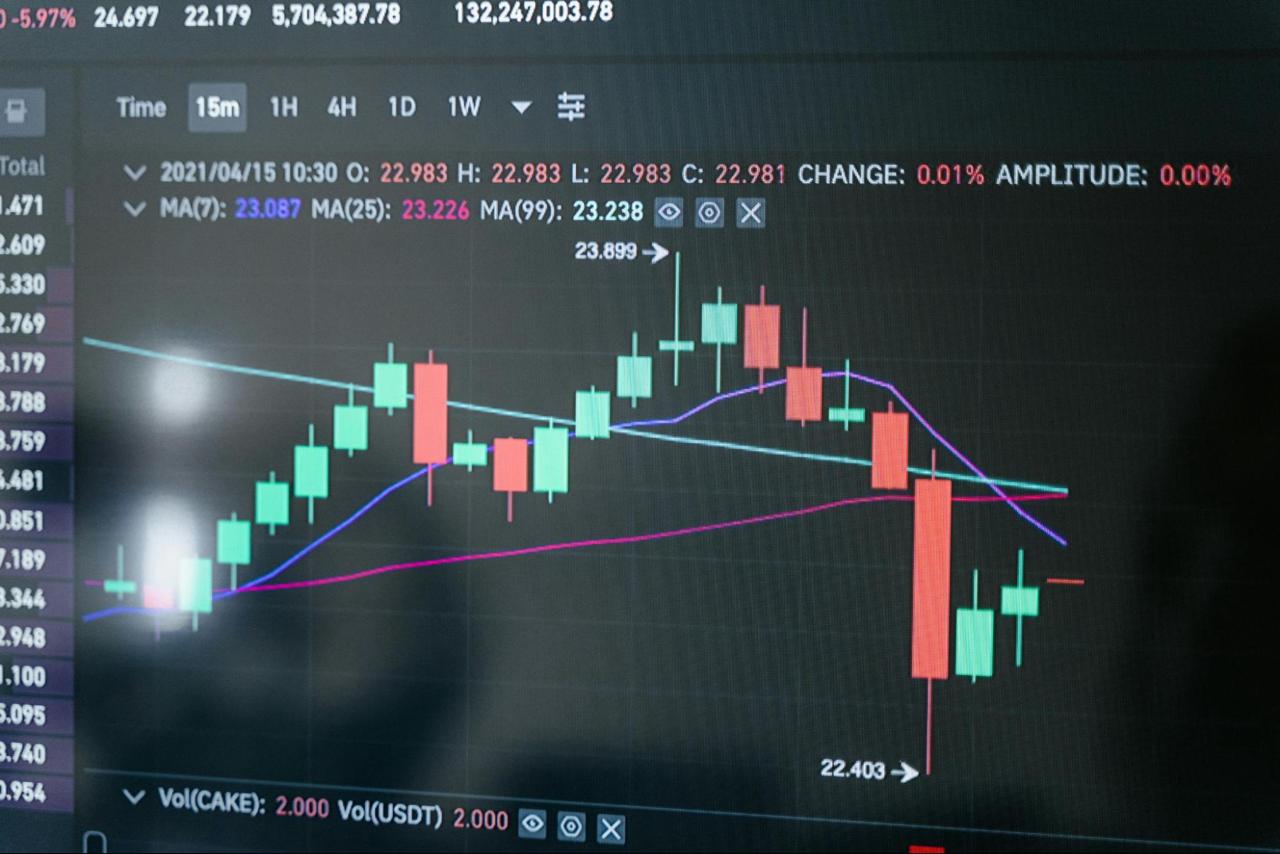
Cardano's strength lies in its long-term vision for adoption, but its current deployment speed raises questions. In a competitive landscape where other projects are advancing rapidly, Cardano must demonstrate both practical efficiency and genuine user engagement to maintain its relevance in 2025.
BlockDAG Delivers Results While Others Plan
In contrast to Sui and Cardano, which are largely focused on future objectives, BlockDAG is demonstrating clear progress and delivery in the present. The project has already secured $430 million in funding, reached Batch 31 of its presale, and achieved a 2940% return on investment (ROI) since its initial batch. With over 27 billion BDAG coins sold, the coin remains available at $0.0015, with a limited-time “TGE” code applicable before the next price adjustment.
BlockDAG differentiates itself through its commitment to transparency and execution. Its roadmap is not merely a document but an active plan undergoing implementation. The final four stages of its launch include full mainnet integration, the distribution of over 20,000 miners, the activation of the Awakening Testnet, and confirmed collaborations with Tier-1 and Tier-2 exchanges. The Testnet is designed to support account abstraction, contract upgrades, and full EVM compatibility. A public explorer provides real-time tracking of network metrics for all users.
Security and compliance are central tenets of BlockDAG's development. The project incorporates multi-signature treasury controls, hardware key protection, and third-party audits to ensure robust reliability. Its audited tokenomics and transparent funding mechanisms further align the project with regulatory requirements and its long-term growth objectives.
Additionally, BlockDAG has introduced a limited-time TGE ranking code that influences the timing of airdrop distributions at launch:
- •Rank 1–300: Instant airdrop
- •Rank 301–600: 30 minutes
- •Rank 601–1000: 60 minutes
- •Rank 1001–1500: 2 hours
- •Rank 1501–2000: 4 hours
- •Rank 2001–5000: 6 hours
- •Rank 5001: 24 hours
This structured approach to delivery positions BlockDAG as a significant contender among emerging cryptocurrencies in 2025. By transforming plans into functional systems, the project emphasizes the importance of execution over mere promises.
Final Look
Sui, Cardano, and BlockDAG represent diverse strategies within the 2025 cryptocurrency landscape. Sui has generated interest with its parallel processing architecture but must progress beyond testnet stages to demonstrate practical utility. Cardano, with the support of its Hydra scaling solution, continues to refine its network but faces ongoing challenges in achieving broader user adoption. Both projects hold potential, but their sustained growth is contingent upon future adoption rates.
BlockDAG distinguishes itself through its current achievements. Having sold over 27 billion coins, raised $430 million, and consistently delivering on its roadmap with tangible progress, including miner deployments and the Awakening Testnet, it stands out. For individuals exploring new crypto projects in 2025, the contrast is evident. Conceptual potential alone may not sustain momentum; consistent execution, as demonstrated by BlockDAG, is key to establishing lasting impact.