


Key Implications of the Upcoming Decision
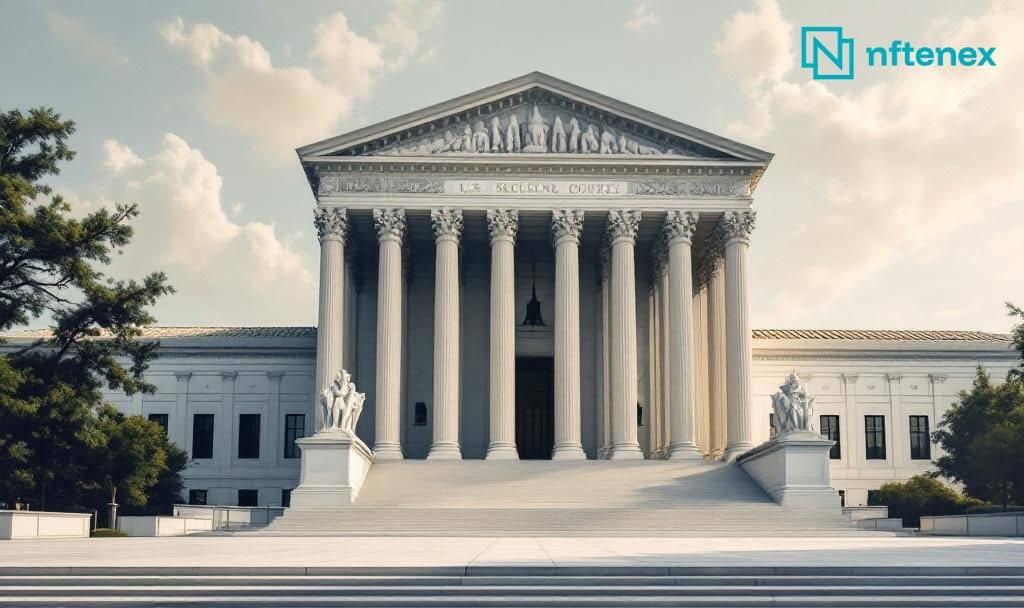
The U.S. Supreme Court is expected to deliver a decision regarding the Trump tariffs on January 20, impacting international trade laws.
The ruling's significance lies in its potential to reshape trade practices and policy enforcement, with global markets closely watching for repercussions.
Case Background and Legal Arguments
The U.S. Supreme Court will soon announce its decision on the Trump tariffs challenged by Learning Resources, Inc., under a 1977 law. Solicitor General D. John Sauer argued for the government, while Justice Sonia Sotomayor shared a separate opinion during proceedings.
Justice Sotomayor made a remark regarding the attendance of Solicitor General Sauer indicating the ongoing nature of the case's complexities.
The upcoming Supreme Court decision on tariffs, anticipated on January 20, could alter longstanding trade regulations. The case examines the legalities under the International Emergency Economic Powers Act. Changes in trade tariffs could influence U.S. international trade relationships.
Potential Global Market Repercussions
The effects on the global market may be substantial, with potential impacts on importing and exporting nations. The ruling could alter trade volume, affect GDP, and influence trade deficits between the U.S. and its partners.
Market experts are monitoring potential outcomes, as the decision may shape future trade laws, impacting businesses reliant on international supply chains. The ruling might chart new paths for economic policies under U.S. governance.
Historical Context and Future Outlook
By assessing past utilizations of the related 1977 law, insights are garnered on probable effects. Historically used for asset freezing, its application to tariffs introduces unique challenges. Observing historical trends aids in predicting market adjustments and economic outlooks.