


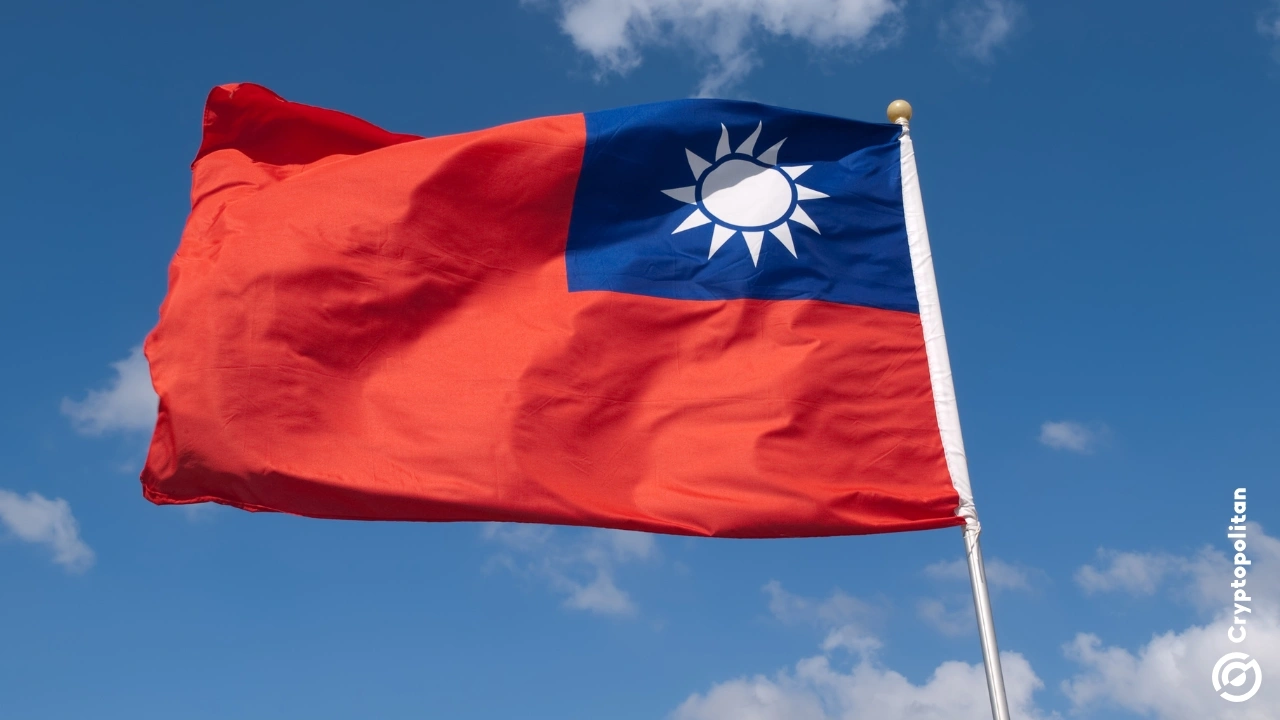
The United States and Taiwan have signed a new trade deal aimed at bringing chip manufacturing directly onto American soil, the Commerce Department announced on Thursday. This significant agreement is poised to reshape the global semiconductor landscape and strengthen U.S. technological capabilities.
Key Provisions of the Trade Deal
Under the terms of the agreement, Taiwanese chip and technology companies are committed to investing at least $250 billion into U.S. production facilities. Complementing these private investments, Taiwan's government will provide an additional $250 billion in credit to support these companies' ventures in the United States. In exchange for these substantial commitments, the U.S. will reduce reciprocal tariffs on goods from Taiwan. Tariffs will be lowered from 20% to 15%. Furthermore, tariffs will be eliminated entirely for generic drugs, their essential ingredients, aircraft parts, and certain natural materials.
These measures are strategically designed to incentivize Taiwan-based firms to establish and expand their manufacturing operations within the U.S., shifting away from solely exporting products from Asia.
TSMC's Expansion in Arizona
Taiwan Semiconductor (TSMC) is already making significant strides in line with this new initiative. The company has acquired additional land adjacent to its existing site in Arizona, as confirmed by Commerce Secretary Howard Lutnick. Lutnick stated that TSMC has purchased hundreds of acres next to their current property, and he indicated a willingness to allow the company time to proceed with its board approvals.
This newly acquired land is expected to facilitate the construction of more chip factories, building upon TSMC's existing investments in the state. The company has already invested up to $40 billion in Arizona to produce chips for major clients such as Apple and Nvidia, leveraging grants provided under the CHIPS Act. New factories established by Taiwanese companies in the U.S. will benefit from special provisions under Section 232 tariff rules. During the construction phase, these facilities will be permitted to import materials up to 2.5 times their planned capacity without incurring tariffs. Once operational, these sites will still be allowed to import 1.5 times their U.S. output volume without facing import taxes. Section 232 exceptions will also extend to Taiwanese auto parts, wood products, and other related goods, keeping them within the 15% tariff limit.
This comprehensive approach is part of a larger strategy to ensure long-term certainty for businesses, particularly in light of the policy fluctuations experienced during the Trump administration over the past year.
U.S. Imposes Tariffs on Non-Participating Taiwan Firms
Commerce Secretary Howard Lutnick was unequivocal regarding the consequences for Taiwanese companies that choose not to participate in building manufacturing capacity within the U.S. He stated that companies refusing to build in America would likely face a 100% tariff. The U.S. government's objective is to expedite the relocation of 40% of Taiwan's chip supply chain to the United States.
The agreement does not prevent TSMC or other Taiwanese companies from continuing to manufacture chips in Taiwan for American companies. However, firms that opt to remain solely in Taiwan and forgo expansion in the U.S. will encounter substantial import costs. This strategy represents the U.S. administration's use of tariffs as a deterrent, while simultaneously offering significant incentives for cooperation.
This initiative is also influenced by escalating concerns in Washington regarding a potential Chinese invasion of Taiwan. U.S. officials have cautioned that any disruption to TSMC's operations could leave the American economy highly vulnerable. The intensified global demand for AI chips has further amplified the urgency of this situation. Lutnick emphasized the goal: "We’re going to bring it all over so we become self-sufficient in the capacity of building semiconductors."