


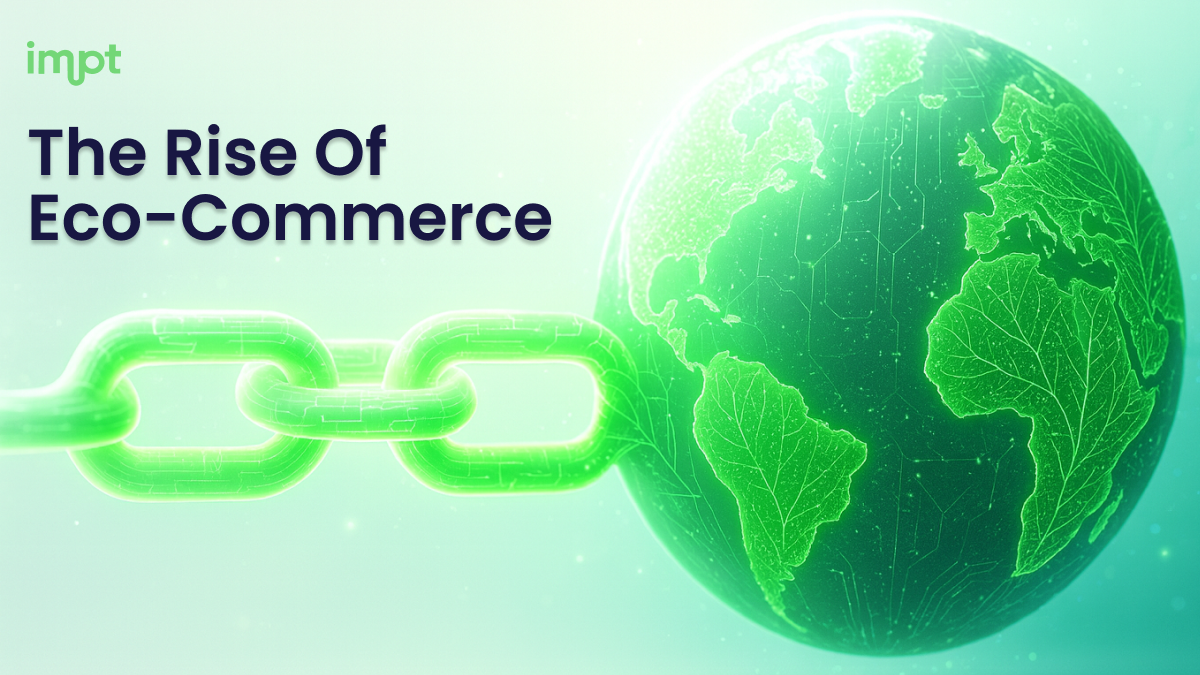
For years, sustainability has been treated as a checkbox — a corporate buzzword with more talk than traceability.
Then came blockchain.
Decentralization didn’t just challenge finance — it redefined trust. And in a world struggling to measure real environmental impact, that’s exactly what we needed.
The Problem: “Invisible” Emissions
Traditional carbon markets are notoriously opaque. Credits are bought, sold, and retired — yet the data behind them often disappears into private ledgers and outdated registries. Businesses can claim “carbon neutrality” without showing their math.
The Fix: On-Chain Transparency
Every transaction on a blockchain is verifiable, traceable, and permanent.
Apply that to carbon credits — and suddenly, we can:
- •Prove where every tonne of CO₂ offset comes from.
- •Track it from issuance to retirement.
- •Prevent double-counting and fraud.
When sustainability becomes data-driven, greenwashing dies quietly.
The Shift: Eco-Commerce at Scale
Every hotel booking, flight, or retail purchase can now trigger an automatic offset — turning everyday spending into measurable impact.
You don’t need to “buy carbon credits” manually anymore. You live your life — and your carbon accountability runs in the background, verified on-chain.
That’s the foundation of eco-commerce — a new economy where sustainability is built into every transaction, not bolted on as an afterthought.
The Future: Verified Impact, Borderless Growth
Impact isn’t a marketing story anymore. It’s math — on-chain, immutable, and scalable.
Welcome to the age where carbon accountability is real.