


Strategic Compromise Ahead of Thanksgiving
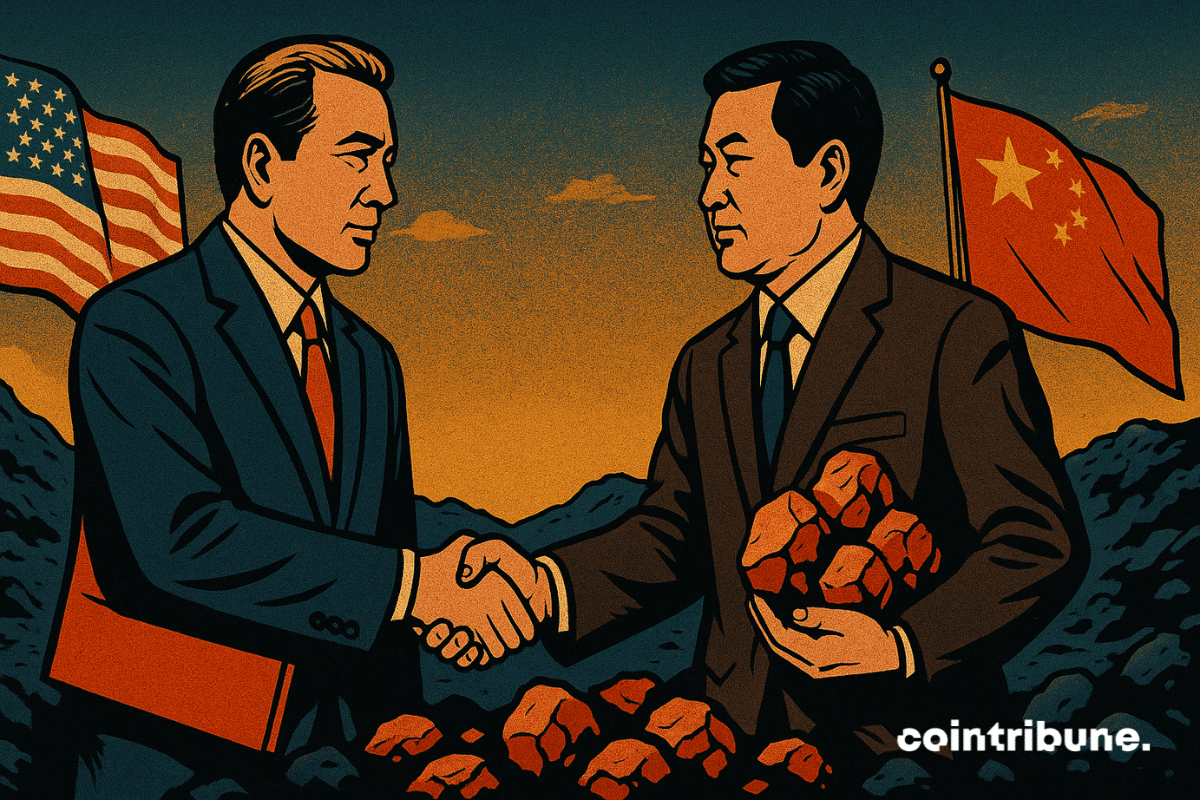
Days before Thanksgiving, Washington and Beijing are reportedly on the verge of finalizing a crucial agreement concerning rare earths. These materials are indispensable for the technology industry, national defense, and the burgeoning crypto mining sector. In a geopolitical climate marked by significant tensions, this potential compromise could serve to de-escalate a crisis that carries substantial implications for global supply chains. The agreement comes as both nations have previously considered imposing US customs sanctions and Chinese export restrictions, making this accord a strategic turning point, though its finalization is not yet guaranteed.
Rare Earths Crisis Defused
US Treasury Secretary Scott Bessent announced on Fox News's Sunday Morning Futures program that an agreement on rare earths between the United States and China, following recent restrictions, could be finalized by Thanksgiving. Bessent expressed confidence that China would honor the commitments made during the summit between President Trump and President Xi. He indicated that this draft agreement builds upon a framework established in the previous month. Under this framework, Washington has agreed to suspend the implementation of a 100% tariff on Chinese imports, while Beijing has temporarily halted its export licensing system targeting rare earths and industrial magnets.
The stakes are exceptionally high, particularly for critical American industries reliant on these vital materials, including the crypto mining sector. Rare earths are essential components in the manufacturing of specialized equipment necessary for the efficient operation of high-performance computing machines used in mining. By averting a commercial escalation, this agreement aims to ensure continued US access to these indispensable resources, thereby preserving industrial competitiveness.
The key elements of the agreement include:
- •The United States' suspension of a planned tariff increase, which would have been 100% on certain product categories imported from China.
- •China's freezing of a proposed export licensing system for rare earths, which had the potential to significantly restrict the global supply of these strategic elements.
- •Beijing's implicit commitment not to leverage rare earths as a tool of pressure in military or technological sectors, despite some reports that Treasury Secretary Bessent described as "false."
- •The overarching objective of guaranteeing the stability of supply chains for sensitive sectors such as defense, technology, and crypto hardware.
This development represents a tentative de-escalation between the world's two largest economies. It unfolds against a backdrop of a still-fragile commercial environment, where diplomatic actions can have tangible effects on markets and industries.
Lingering Tensions Over Agricultural Purchases
While the rare earths component of the agreement appears to be progressing, other commitments stemming from the Trump-Xi meeting in South Korea are showing signs of strain, particularly concerning agricultural purchases. The US Department of Agriculture reported on November 15 that only two purchases of American soybeans by China had been recorded since the summit, amounting to 332,000 tons. This figure falls considerably short of the 12 million tons mentioned by Agriculture Secretary Brooke Rollins for the period ending in January and is well below the projected 25 million tons per year promised over the next three years.
Tanner Ehmke, chief economist at CoBank, commented that the current situation is "still very far from what the United States announced in terms of agreement," noting that China has never officially confirmed such quantitative commitments. Ehmke further explained that China possesses substantial stockpiles of soybeans sourced from Brazil and other South American countries. Additionally, US exports continue to be impacted by a 24% tariff, even after a ten-point reduction, which diminishes the competitiveness of American agricultural products.
Beijing has thus far only indicated a consensus to expand trade in agricultural products, without providing specific quantified commitments or precise timelines. Despite President Trump's assurance that "China will buy a lot of soybeans," market skepticism persisted, and soybean prices dropped by 23 cents to $11.24 a bushel following the release of the USDA report.
This disparity between political pronouncements and the practical realities of trade casts a shadow over the true extent of the Sino-American agreement. While the rare earths aspect seems to be moving toward stabilization, the agricultural sector reveals a more uncertain dynamic, underscoring the limitations of this diplomatic rapprochement. For stakeholders in the crypto sector, these mixed signals necessitate a cautious approach.
The ongoing agreement may ultimately represent only a partial ceasefire in a broader trade war with profound ramifications. While critical supply chains appear to be temporarily secured, future developments will be contingent on both Beijing's strategic decisions and the sustained strength of US commitments.