


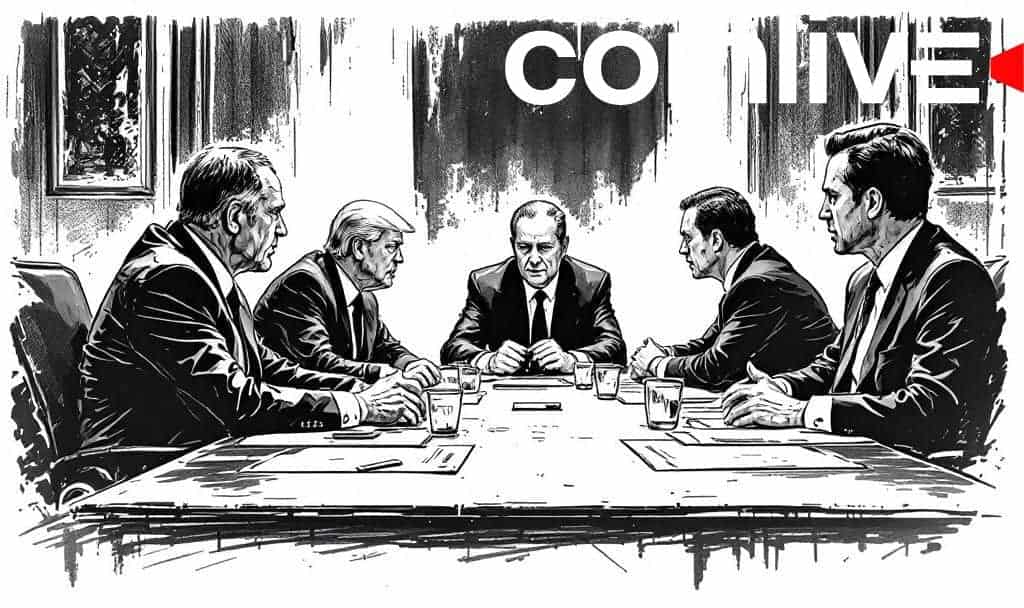
The Trump administration is engaged in internal discussions regarding potential sales of Nvidia's H200 AI chips to China. This consideration implies a meaningful change in prior U.S. export controls, affecting both the AI hardware market and U.S.-China tech relations.
The key parties include the Trump administration and Nvidia, led by CEO Jensen Huang. Discussions focus on licensing Nvidia to ship H200 chips to China, a significant shift since previous export restrictions were tightened against China in 2022.
If the sale proceeds, it could have a considerable impact on the AI industry, potentially disrupting market dynamics. Nvidia's stock rose by 2% when reports surfaced, indicating optimism about accessing China's massive market.
Financial Implications for Nvidia
Financially, allowing H200 shipments would be advantageous for Nvidia. Kunjan Sobhani, Analyst at Bloomberg Intelligence, stated, "If Nvidia were able to do this, [getting a license for H200 to China] it opens the door for them to be able to ship… this is the fastest and most performing chip they have access to." The new chip's higher selling price—1.5 to 2 times older models—highlights the potential profitability for the company.
Broader Geopolitical and Technological Context
There are broader implications for U.S.-China relations, particularly in the tech industry. If authorized, it may signal a potential thawing in technology trade tensions, though no official government statements have been made.
This regulatory change could provoke varied financial, technological, and geopolitical outcomes. Historical trends suggest U.S.-China tech policies impact multiple sectors. However, current debates have not yet resulted in noticeable changes within crypto markets.