


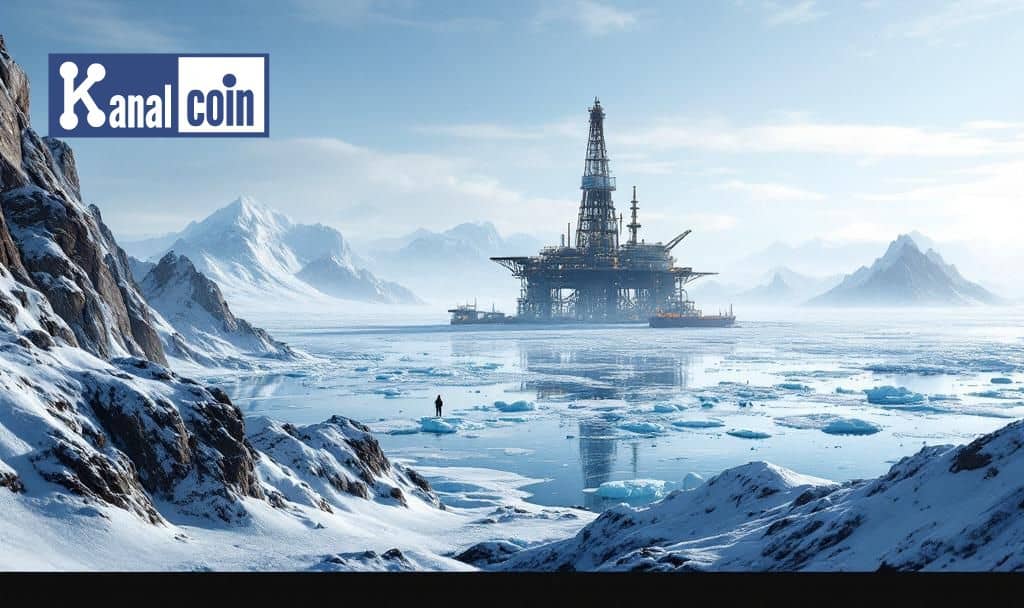
U.S. Interior Secretary Doug Burgum announced the reopening of the Arctic National Wildlife Refuge for oil and gas leasing, reversing Biden-era restrictions.
This policy shift highlights ongoing energy priorities and has sparked environmental debates.
1.56 Million Acres Reopened for Oil Leasing
The Trump administration has reignited its Arctic oil leasing ambitions by reopening 1.56 million acres in the Arctic National Wildlife Refuge. This policy shift reverses prior restrictions and enables oil and gas leasing on these federal lands.
U.S. Secretary of the Interior Doug Burgum announced the reopening of the Arctic Refuge's Coastal Plain. He stated, "The reopening of the 1.56 million acres of the Arctic National Wildlife Refuge’s Coastal Plain to oil and gas leasing is a necessary step for energy development and economic growth in Alaska." This move rescinds previous Biden-era restrictions, allowing the Alaska Industrial Development and Export Authority to pursue oil and gas leasing initiatives.
Environmental Groups Challenge Oil Leasing Policies
Environmental groups have raised legal challenges, emphasizing climate risks associated with Arctic oil exploitation.
Environmental groups voice concerns over the reopening of Arctic Refuge for oil leasing. #ArcticOil#Environment#ClimateChange
— Environmental Advocates (@EcoWatch) March 15, 2023
While the focus remains on traditional energy assets, the potential economic risks from climate impacts are significant, with thawing permafrost and uncertain oil market dynamics likely affecting stakeholders. These factors introduce financial and regulatory uncertainties for the future.
Potential economic risks from climate impacts in the Arctic are substantial, impacting future investments. #ArcticEconomy#ClimateRisk
— Economic Analysts (@EconInsights) December 1, 2022
Trump vs. Biden: The Arctic Leasing Policy Battle
The first Trump administration had pursued similar Arctic leasing initiatives, which faced legal opposition. The Biden administration initially rescinded such plans, highlighting an ongoing policy tug-of-war concerning U.S. energy strategies.
Experts interpret this move in the context of the Willow project and similar historical trends. These actions underscore the polarizing nature of Arctic leasing, emphasizing the interplay between economic ambitions and environmental concerns.