


New Tariffs Announced for Nations Opposing Greenland Sale
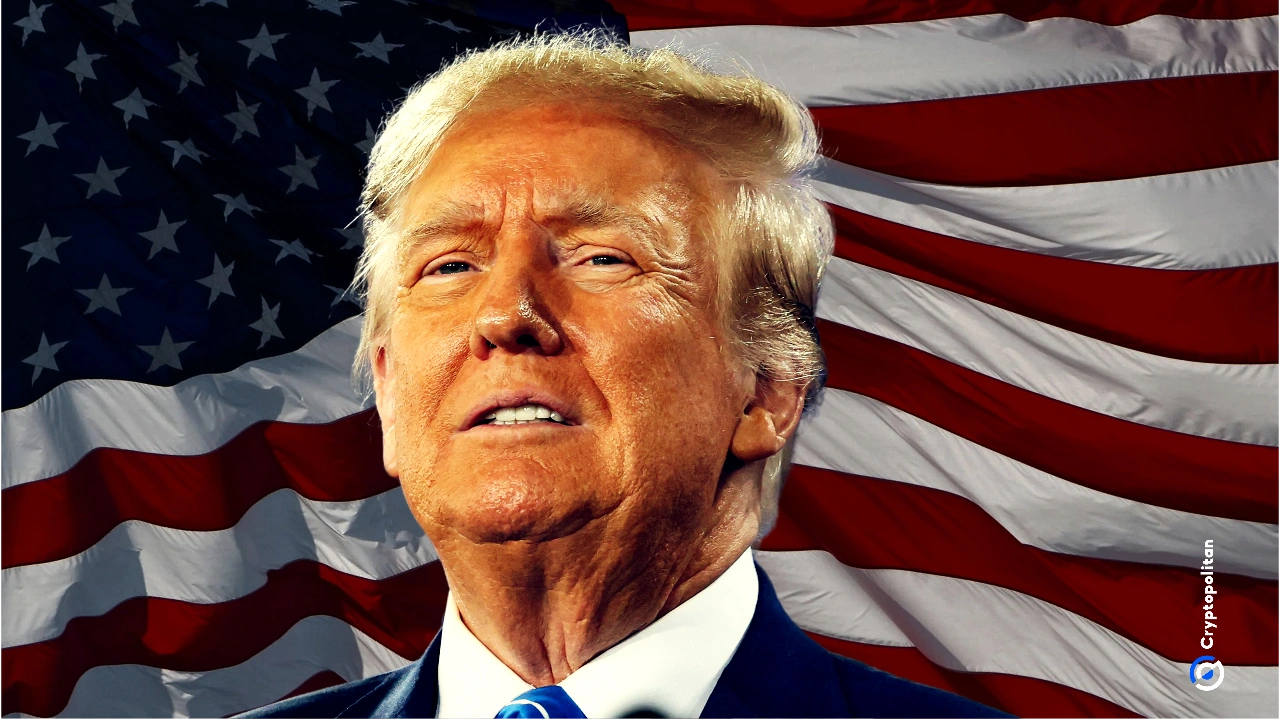
President Trump has escalated his pursuit of Greenland by announcing new tariffs on goods from eight NATO countries. These tariffs are set to begin at 10% on February 1, increasing to 25% by June 1, unless these nations agree to sell Greenland to the United States. The affected countries include Denmark, Norway, Sweden, France, Germany, the U.K., the Netherlands, and Finland.
In a statement posted on Truth Social, Trump declared that these tariffs would remain in place "Until such time as a Deal is reached for the Complete and Total purchase of Greenland." He stated that this measure was a direct response to these countries sending troops to Greenland, which he perceived as an unwelcome intrusion into territory he believes should belong to the United States.
Trump did not provide specific reasons for the troop deployments but commented, "They have journeyed to Greenland, for purposes unknown." He further elaborated on Truth Social, describing the situation as "a very dangerous situation for the Safety, Security, and Survival of our Planet."
Europe Responds to Tariff Threats
The announcement of the new tariff plan followed a statement from Trump the previous day, where he indicated he was considering a strategy similar to one he had previously employed against foreign drug companies. During a White House appearance on Friday, he remarked, "I may do that for Greenland too. I may put a tariff on countries if they don’t go along with Greenland, because we need Greenland for national security."
The eight European nations reacted swiftly to Trump's declarations. European Commission President Ursula von der Leyen criticized the move, stating on Bluesky, "We choose partnership and cooperation. We choose our businesses. We choose our people." She characterized the tariffs as a broader threat to Western unity, extending beyond mere trade issues.
Danish Prime Minister Mette Frederiksen also weighed in, asserting on Thursday that the defense of Greenland is a "common concern" for all NATO members. The timing of Trump's announcement appears strategic, coinciding with increased U.S. military interest in Greenland over recent months and the parallel interest shown by these European countries. This convergence of interests seems to have prompted Trump's response, as he seeks to prevent perceived interference with America's Arctic objectives.
Senators Urge Calm and Challenge Presidential Claims
On the same day Trump announced the tariffs, two U.S. senators, Chris Coons (D-Del.) and Lisa Murkowski (R-Alaska), arrived in Copenhagen with the aim of de-escalating the situation. They met with officials to counter Trump's narrative regarding Greenland.
"There are no pressing security threats to Greenland," Senator Coons informed reporters on Saturday. He explained that the purpose of their trip was to "restore a sense of trust" with the region and to dispute the notion that European troop deployments were part of a clandestine operation.
Both Coons and Murkowski expressed that the presence of NATO troops in Greenland should be viewed positively, not as a threat. "Seeing active training and deployments into one of the harshest, most remote places on Earth… we should take as an encouraging signal," Coons stated. Senator Murkowski also emphasized that the president's stance does not represent the entirety of Washington's view, urging, "You cannot allow this to become a partisan matter. Support for our friends and allies… should not be."
Trump's latest strategy suggests a potential shift away from military action to secure the island, but his interest in Greenland remains evident, with tariffs now serving as his primary tool. Behind the scenes, a legal challenge is also developing regarding Trump's use of emergency economic powers, which he has invoked to implement these tariffs. The Supreme Court is expected to rule on the legality of this law soon, potentially impacting the validity of these measures.
Throughout his presidency, Trump has utilized tariffs extensively, viewing them not merely as taxes but as a potent instrument for influencing international conduct. The pursuit of Greenland has now become the latest focal point of this approach.