


Economic Impact of Tariffs
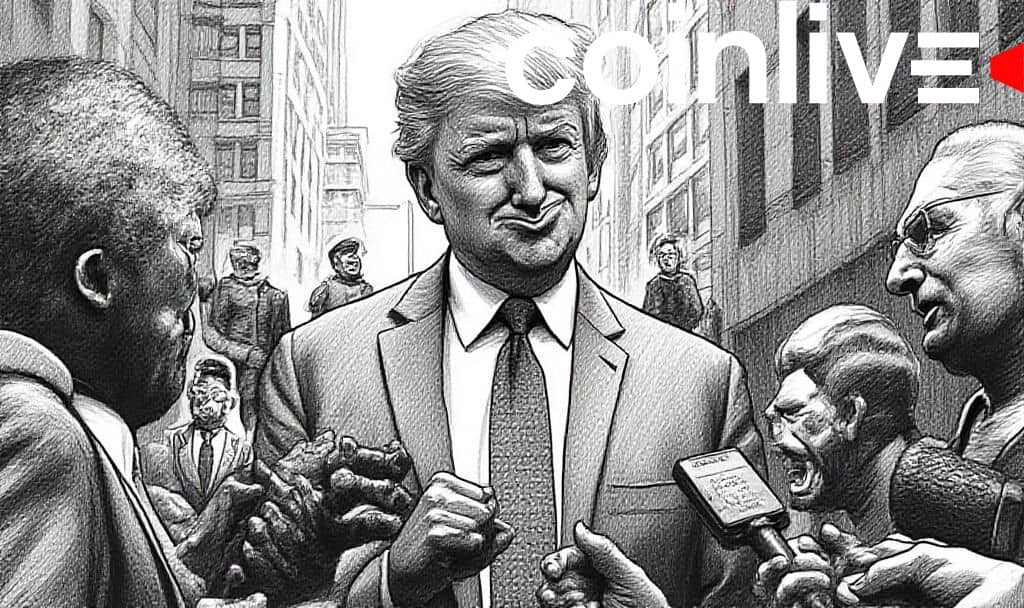
President Donald Trump has reported that the U.S. stock market is thriving due to tariffs placed on imported goods. The tariffs, initiated during his second term, are being credited for recent highs in market indices and national security. The primary figure is President Trump, who has resumed protectionist trade policies. He imposed tariffs across various sectors, attributing positive economic indicators to these measures through official statements, including posts on Truth Social.
Market Volatility and Investor Caution
While the Dow Jones, Nasdaq, and S&P 500 saw significant gains, market volatility has persisted alongside these economic shifts. Sectors affected by the tariffs include technology, pharmaceuticals, and autos, illustrating the broad impact of these policies. The tariff measures have pushed U.S. tariff revenue beyond $30 billion monthly, a figure that has tripled from the previous year. Despite these financial gains, investors remain cautious, often turning to gold as a safe haven amid fluctuating equities. As President Trump said, "THE STOCK MARKET IS STRONGER THAN EVER BEFORE BECAUSE OF TARIFFS!"
Historical Context and Future Outlook
Tariff-related decisions have influenced market movements, echoing previous trade war cycles. Investor behaviors align with historical responses to protectionist policies, turning towards assets like gold during unsettled market phases. As the Supreme Court prepares to assess the legality of President Trump's tariff enforcement, market observers anticipate potential regulatory repercussions. Historical data suggests such legal challenges could introduce further volatility into an already cautious market.