


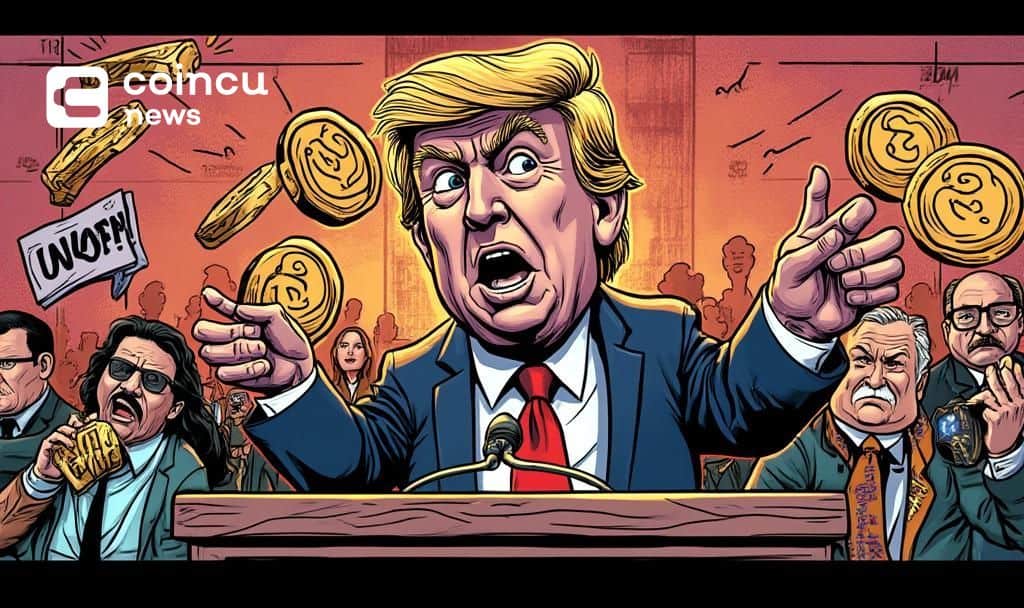
Trump Mocks Powell: Calls for Faster Rate Cuts
President Trump criticized Federal Reserve Chair Jerome Powell at the Asia-Pacific Economic Cooperation summit in South Korea, ridiculing the Fed's interest rate policies.
Trump's remarks highlight ongoing tensions with the Fed, potentially influencing U.S. economic policies and affecting market confidence, particularly in interest-sensitive assets like cryptocurrencies.
President Trump, speaking at the Asia-Pacific Economic Cooperation summit, labeled Federal Reserve Chair Jerome Powell as "Jerome 'Too Late' Powell," criticizing his handling of interest rate cuts. Trump's comments drew laughter from the audience and indicated frustrations with the pace of monetary policy adjustments.
Trump highlighted his insistence that the Federal Reserve keep interest rates low, notwithstanding inflation risks. He predicted that the U.S. economy will achieve 4% growth in early 2026, a rate significantly higher than the median economist forecasts.
"Jerome 'Too Late' Powell" and ridiculing the Fed’s pace on interest rate cuts, reinforcing, "We will not let the Fed raise interest rates because they are worried about inflation three years from now."
Crypto Markets Watch Fed Moves on Rate Debate
In past instances, President Trump's criticisms of the Federal Reserve have led to short-term market volatility and debates over the stability of the US dollar, indirectly fueling interest in cryptocurrencies as a store of value.
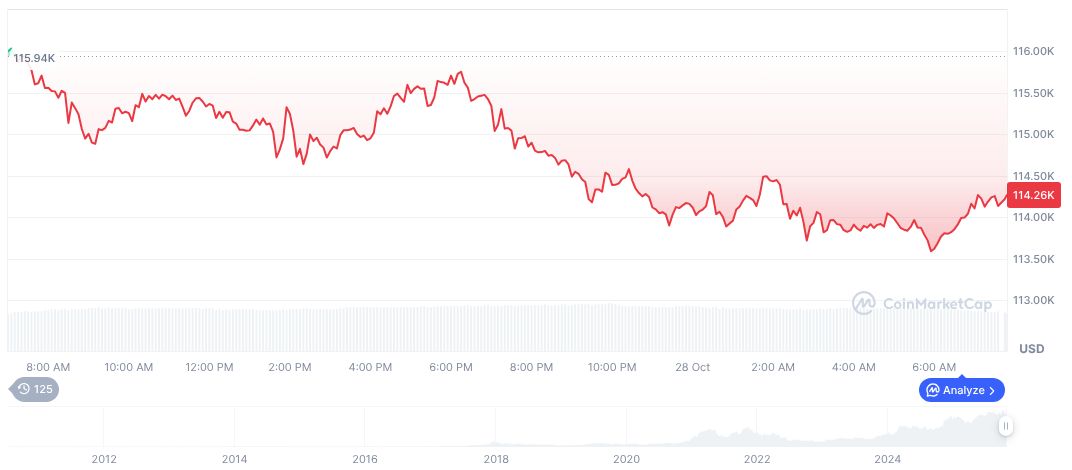
Bitcoin (BTC) is currently priced at $113,069.26. The cryptocurrency has a market cap of 2.25 trillion dollars, maintaining a market dominance of 59.22%. With a max supply of 21 million and a circulating supply of 19.94 million, BTC experienced a 0.51% decrease in the last 24 hours.
Insights from research suggest that prospective changes in US monetary policy could influence cryptocurrency market movements. Historically, periods of monetary uncertainty and potential dollar weakening have seen increased interest in digital assets. Experts will closely observe how these political maneuvers potentially affect regulatory perspectives.