


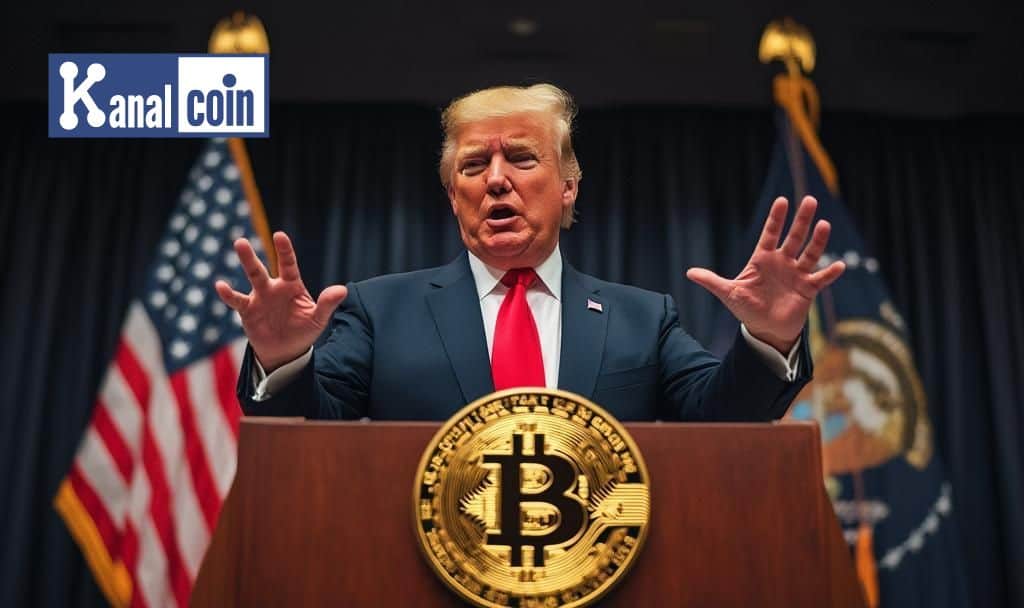
President Donald Trump hosted the White House’s inaugural crypto summit, signaling a strategic shift toward digital assets with plans to establish a new U.S. Strategic Bitcoin Reserve.
This event marks a critical policy change, influencing market expectations as institutional investors respond to potential new regulatory frameworks and strategic reserves targeting cryptocurrency stabilization.
Trump Launches Strategic Bitcoin Reserve Initiative
The White House’s first-ever crypto summit initiated by President Donald Trump marks a new policy direction. Key figures like David Sacks and Bo Hines are involved, indicating significant changes in U.S. digital asset strategies.
President Trump announced a Strategic Bitcoin Reserve, spotlighting this as a critical moment for digital asset endorsement. Crypto leaders, including CEOs and investors, participate to discuss regulatory and economic shifts led by White House officials.
Market Optimism as Trump Advocates for Crypto Clarity
The summit highlights potential advancements for the crypto industry. Market responses are primarily positive, with anticipated policy clarity and economic opportunities posited for blockchain technologies and digital currencies, such as Bitcoin and Ethereum.
Analyzing Trump's initiatives, industry insiders expect financial buoyancy with possible increases in investment and market adoption. Historical trends suggest regulatory clarity could bolster institutional participation, catalyzing technological infrastructure developments. “I am very positive and open minded to cryptocurrency companies, and all things related to this new and burgeoning industry. Our country must be the leader in the field.”
Post-FTX: U.S. Policy Shift towards Bitcoin Reserves
The event contrasts prior administrations' cautious stance, notably post-FTX failures. Past policies did not emphasize digital reserves, unlike the current proposed Bitcoin Reserve, suggesting evolving government receptiveness to cryptocurrencies.
Experts anticipate improved stakeholder confidence with increased regulatory transparency. Drawing from past digital asset discussions, the summit’s outcomes could reshape U.S. crypto engagement, supporting greater industry-wide collaboration.