


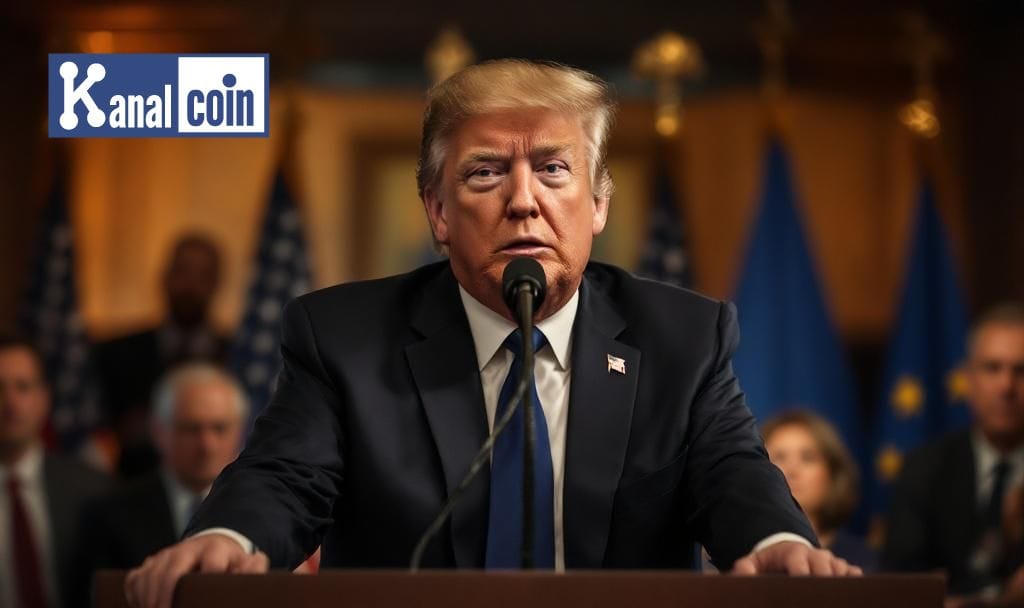
Trump Enacts 10% Tariff Amidst Greenland Tensions
US President Donald Trump has announced a 10% tariff on several European countries amidst tensions over Greenland. While few specifics are disclosed, the affected nations include France, the UK, and Denmark. This geopolitical move mirrors Trump's strategic economic policies.
The action by President Trump targets nations opposing US control of Greenland. Limited public disclosures are available, but the trade disputes primarily stem from the rejected acquisition proposal. Both political and economic motivations underlie the recent tariff decision.
No Crypto Impact Observed From Tariff Increase
No significant effects on the cryptocurrency market have been observed. The detachment of this geopolitical event from crypto underscores the regions' priorities in traditional trade dynamics. General public statements remain unrelated to blockchain technologies.
Potential financial impact predominantly concerns affected exports from major European economies. Existing trade tensions may signal broader economic uncertainties. However, the absence of crypto-related ramifications suggests traditional sectors remain the primary concern for involved parties. As Donald Trump stated, "We are imposing tariffs because these countries have opposed our control over Greenland."
Tariffs Influence Traditional Sectors Over Crypto
Historically, Trump's use of tariffs as a bargaining tool reflects past actions seen in trade disputes with China. These policies often shift traditional markets rather than crypto sectors, which regularly demonstrate resilience and separate volatility patterns.
Analysis emphasizes the disparity between traditional and digital markets. Trump's tariffs historically affect industrial exports more than crypto. Digital currency ecosystems may thus remain largely unaffected by events grounded in geopolitical and economic strategies.