


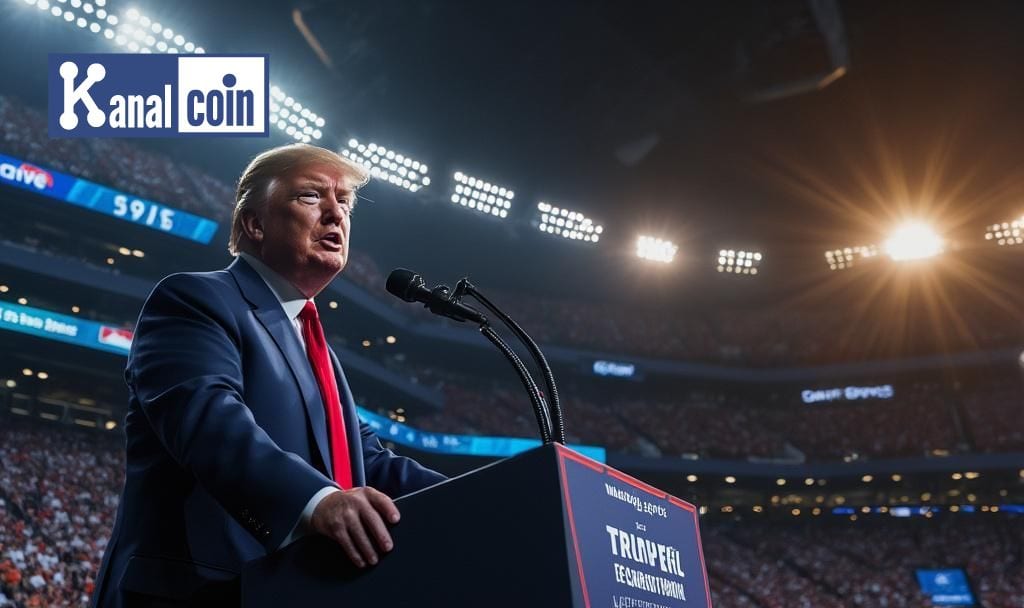
President Donald Trump announced an extra 10% tariff on Canadian goods, reacting to an anti-tariff advertisement aired by Ontario during the World Series, calling it a "hostile act." This tariff increase highlights ongoing trade tensions, potentially impacting cross-border economic activities, but it does not directly affect cryptocurrency markets, according to official sources and experts.
Trump's 10% Tariff Sparks US-Canada Tensions
President Donald Trump and Ontario Premier Doug Ford are key figures in this trade escalation. Trump's decision involves increased tariffs, while Ford has vowed to pull the controversial ad after airing during the World Series' opening game.
Tariff Targets US-Canada Cross-Border Trade
The tariff action primarily affects cross-border trade between the US and Canada. While digital assets remain untouched, the market might feel an indirect impact. Stakeholder reactions have not indicated any shifts in the cryptocurrency sector.
Potential outcomes include fluctuations in equity and fiat markets, though cryptocurrencies like BTC and ETH are not directly targeted. Historical trends suggest temporary market volatility. No significant regulatory changes specifically for digital assets have been reported.
Past Tariff Policies Show Short-Term Impacts
Similar trade disputes occurred under Trump's previous tariff policies on steel and aluminum, showing short-term market effects. The current situation echoes past tensions but involves different sectors.
Insights suggest the ripple effects of such tariffs may echo in financial markets without directly impacting cryptocurrencies. Historical data indicates responses typically involve currency fluctuations, rather than changes in digital asset flows.
"Because of their serious misrepresentation of the facts, and hostile act, I am increasing the Tariff on Canada by 10% over and above what they are paying now." — Donald Trump, Former President of the United States