


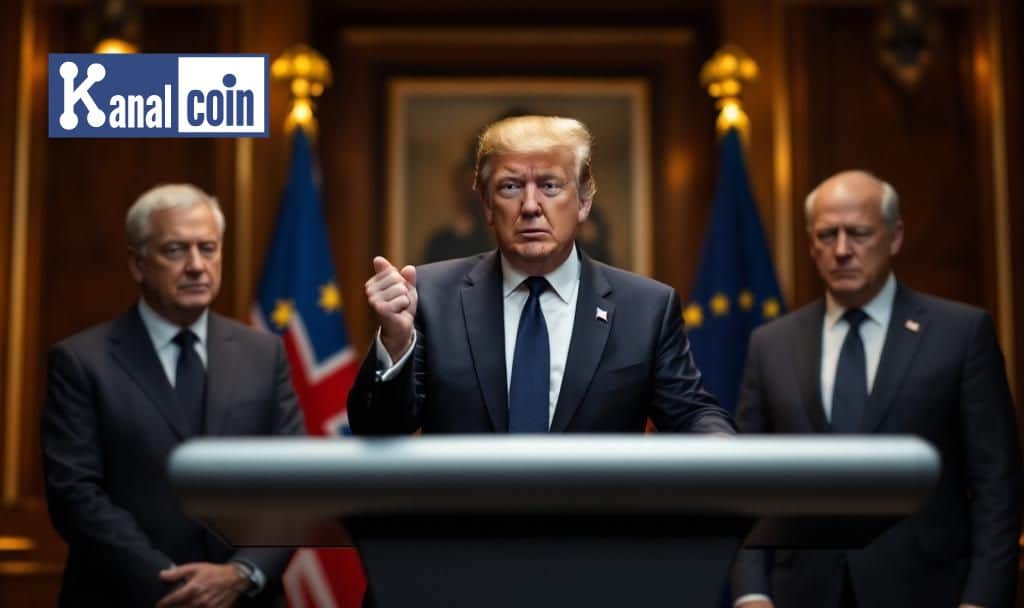
US President Donald Trump announced tariffs on goods from eight NATO allies on January 17, 2026, in response to their opposition to the US purchasing Greenland. These tariffs could strain political relations and economic ties within NATO, potentially impacting global trade dynamics.
European Leaders Condemn Trump's Tariff Decision
European leaders, including Emmanuel Macron and Keir Starmer, have criticized the tariff imposition, deeming it unacceptable. The decision has spurred geopolitical tensions among American allies, threatening broader transatlantic relations.
"Tariff threats are unacceptable and have no place in this context," adding that Europeans would respond unitedly.
— Emmanuel Macron, President of France
Potential effects of these tariffs include disruptions to trade flows and increased political friction. Historical trade tensions, such as Trump's past tariffs on China, provide a precedent for anticipated economic adjustments and international policy challenges.
Experts Warn of Trade Retaliation Risks
Past U.S. tariffs imposed on China and Brazil highlight similar trade conflicts. Such actions often lead to retaliatory measures and shifts in trade policies, reflecting the current scenario with NATO countries.
Experts suggest that the tariffs may lead to further negotiations or policy changes, referencing historical economic responses to past tariffs. The focus on Greenland’s strategic importance could reshape future geopolitical alliances.