


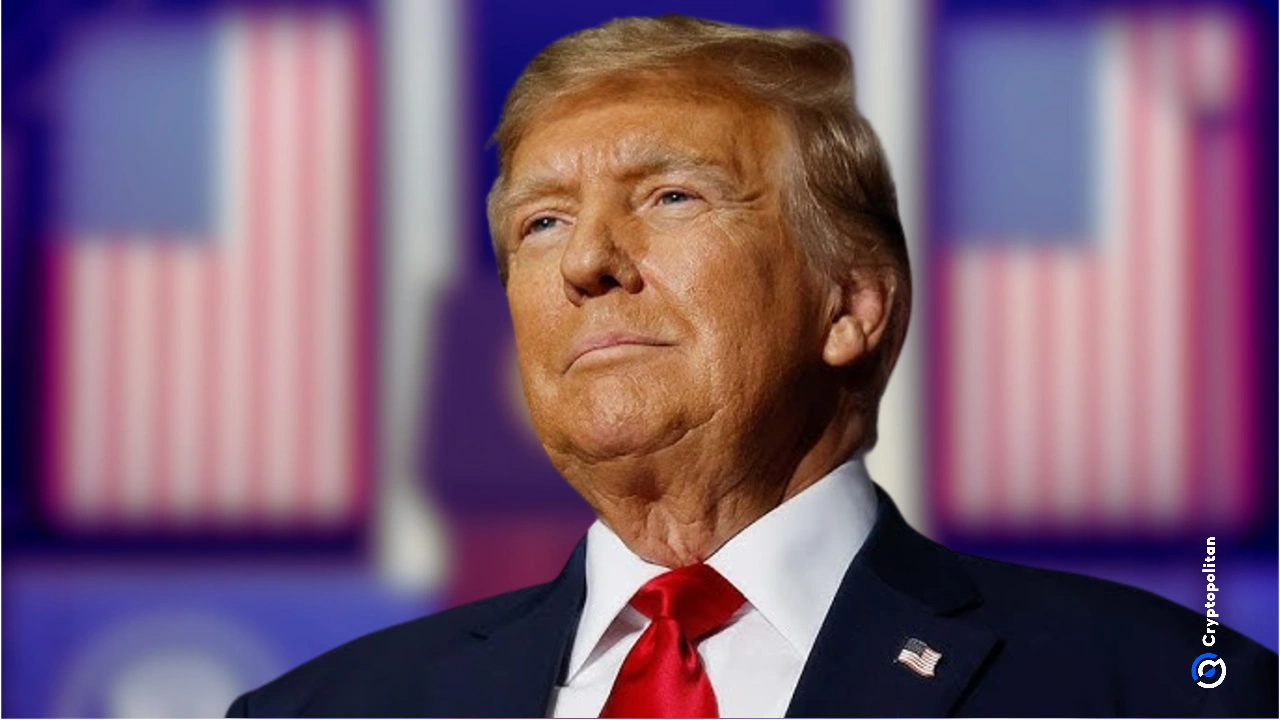
Administration Explores Broader Affordability Agenda
President Donald Trump is reportedly considering an executive action to cap credit card interest rates, as legislative progress in Congress remains stalled. This proposed 10% credit card cap is part of a wider affordability agenda that also includes measures to prevent institutional investors from purchasing single-family homes and to allow individuals to utilize their 401(k) plans for down payments on homes.
While the exact timing of any executive action is uncertain, President Trump indicated that further details would be revealed during his upcoming speech at the World Economic Forum in Davos. National Economic Council Director Kevin Hassett confirmed ongoing discussions with major banks, stating that they believe the President's initiative has merit. Concurrently, housing policy is also under active review by the administration.
One of the housing policy discussions involves whether to prohibit stock buybacks by publicly traded homebuilders. This idea was previously suggested by Bill Pulte, head of the Federal Housing Finance Agency, in an interview with The Wall Street Journal.
No final decisions have been made, and White House officials emphasize that discussions are ongoing. The administration has not yet responded to requests for comment as these internal deliberations continue.
Last week, President Trump publicly called for a one-year cap of 10% on credit card rates, setting January 20 as a deadline for implementation. His team has also engaged with homebuilders to discuss housing affordability. Financial firms have reportedly spent days analyzing the potential operational impact of such an executive order.
Industry trade groups have begun formulating their responses and have raised concerns that a rate cap could negatively affect lower-income borrowers and disrupt the lending market.
The pressure on financial institutions intensified when Press Secretary Karoline Leavitt stated on Thursday that companies are expected to lower interest rates by the specified deadline, describing it as a "demand" from President Trump.
Industry Reactions and Potential Outcomes
The issue of credit card interest rates has become a dominant topic on the earnings calls of major banks this week. Executives from JPMorgan Chase, Citigroup, and Bank of America have all expressed reservations. They indicated that the lack of specific details makes it difficult to assess the potential impact on their respective businesses.
Citigroup Chief Financial Officer Mark Mason commented that a government-mandated interest rate cap could potentially slow economic activity. Similarly, Bank of America Chief Executive Officer Brian Moynihan suggested that such a cap might lead to reduced access to credit if banks become more hesitant to lend.
Banking trade groups have also voiced opposition. Rob Nichols, head of the American Bankers Association, highlighted the nature of unsecured lending, differentiating it from secured loans like auto or mortgage loans where collateral exists. He stated, "We’re talking about unsecured lending, so it’s not like an auto loan or a mortgage loan where there’s something you can take back."
Lobbyists have been actively working throughout the week to understand how President Trump might enact such an order. One potential mechanism being discussed, according to a lobbyist involved in the negotiations, is the utilization of the interstate commerce clause to supersede state-level usury limits.
Some consumer advocates have expressed caution, suggesting that a 10% cap might be too restrictive and could result in banks curtailing lending. Conversely, others have pointed to federal credit unions, which already operate under interest rate caps, as a model. Adam Rust of the Consumer Federation of America remarked, "It’s about finding a reasonable rate that doesn’t undermine the ability of consumers who are struggling to get by."
Kevin Hassett also raised the possibility that banks might voluntarily introduce new credit card products that align with President Trump's proposed rates. Bilt, for instance, recently launched three credit cards with rates capped at 10%, although this limit is for one year and applies only to new purchases.