


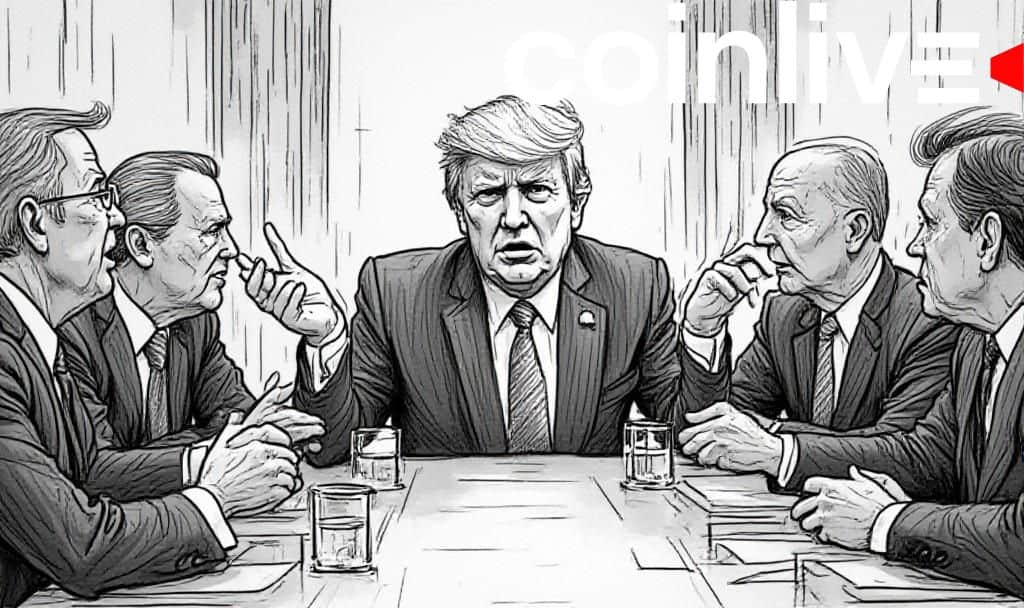
Former U.S. President Donald Trump plans to retain substantial tariffs on India until it halts Russian oil imports, emphasizing the linkage between India’s energy purchases and U.S. trade policy.
The potential tariffs could strain U.S.-India economic relations, impacting global trade dynamics. Market anxiety may influence emerging market currencies, possibly amplifying volatility in cryptocurrency markets.
Trump's Tariff Threat
Donald Trump has announced imposing "massive" tariffs on India unless it halts its Russian oil imports. The direct statement establishes an explicit connection between India's energy procurement policy and the United States' trade stance.
Trump claims Indian Prime Minister Narendra Modi agreed to cease Russian oil purchases. However, official Indian communications have neither confirmed this agreement nor detailed any change to India's current energy acquisition strategy.
Economic Implications
The tariffs, which could reach 50% on certain Indian exports, aim to exert economic pressure on India, potentially impacting various sectors dependent on the U.S. market. Indian authorities have expressed intentions of energy diversification amidst the unfolding situation.
In response, Commerce Minister Piyush Goyal notes ongoing U.S.-India trade talks, implying a diplomatic channel remains open despite the tariff threat. This situation reflects broader trade tensions impacting global economic relationships.
Market Dynamics and Speculations
Tariffs and trade confrontations may influence emerging market dynamics, including the Indian rupee's volatility. Historically, such tensions have occasionally led to defensive flows into cryptocurrencies like BTC and stablecoins.
Potential outcomes include market volatility and economic adjustments as both nations navigate the trade landscape.
"But if they want to say that, then they'll just continue to pay massive tariffs, and they don't want to do that." — Donald Trump, Former President, United States