


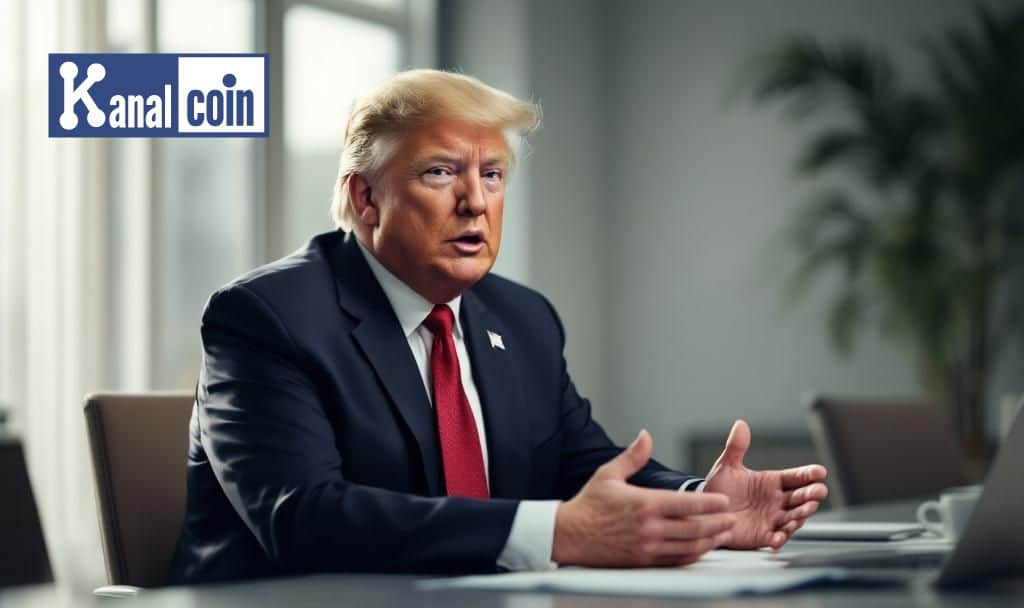
Trump's Tariff Strategy for Greenland Acquisition
Donald Trump has announced tariffs of up to 25% on Denmark and additional European nations. This move is intended to pressure Denmark into agreeing to a deal concerning Greenland's strategic interests. While no direct quotes from Trump regarding this specific announcement were immediately available, the action significantly impacts existing trade relations between the United States and these European countries.
The proposed tariffs specifically target Denmark and countries within the European Union. This decision represents a notable shift in the U.S. administration's foreign policy approach. The primary objectives behind this strategy include securing access to Greenland's resources, which could have substantial implications for international geopolitical dynamics.
Limited Impact on Cryptocurrency Markets
Despite the significant geopolitical and economic implications of these tariffs, there have been no observed direct impacts on the cryptocurrency market. Major digital assets such as Ethereum (ETH) and Bitcoin (BTC) have remained unaffected by this geopolitical maneuver. The proposal appears to be confined to traditional import-export relations and has not shown any discernible influence on the digital asset space.
Insights regarding potential financial impacts on the cryptocurrency sector are minimal. Experts in the field predict limited immediate effects on crypto markets. An analysis of historical trends indicates that similar past tariffs have not directly affected the cryptocurrency sector, suggesting a potential for minimal regulatory effects on digital assets from this particular proposal.
Historical Precedent: Tariffs and Cryptocurrencies
An examination of past U.S. tariff implementations reveals no instances where similar events have influenced cryptocurrency markets. Historically, tariffs have primarily affected traditional industries, with no notable involvement or impact on the cryptocurrency sector. These historical patterns suggest a limited correlation between tariff implementations and cryptocurrency price fluctuations.
"Tariffs usually affect traditional industries, while cryptocurrencies operate independently of such economic measures."
Analysts emphasize the lack of direct primary source evidence and market data that would link past tariffs to significant shifts in cryptocurrency markets. Historical patterns consistently show no significant changes in crypto markets due to past economic policy changes of this nature. This reinforces the current observation of minimal impact from the proposed tariffs on Denmark and European nations.