


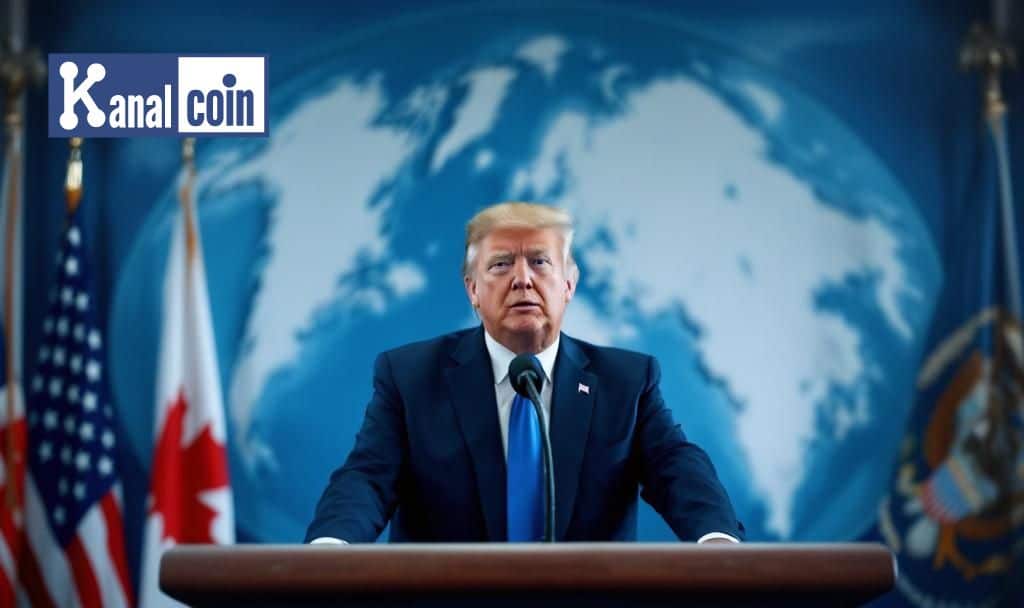
Geopolitical Strategy and Arctic Interests
President Trump announced new tariffs targeting eight NATO allies to press for Greenland's sale, citing national security concerns with China and Russia advancements in the Arctic. The geopolitical tension could affect international relations and defense strategies, notably impacting security dynamics in the Arctic region without immediate financial market implications.
Trump's Bid for Greenland and Diplomatic Pressure
President Donald Trump has proposed new tariffs targeting Denmark and other NATO allies, aiming to pressure for the purchase of Greenland. This action comes amidst growing concerns over national security and Arctic interests. Trump has argued for the acquisition of Greenland citing potential threats from Russia and China. His administration emphasizes U.S. historical interest in the area over the past 150 years as a strategic move.
Denmark's Response and Sovereignty
Officials from Denmark, including Foreign Minister Lars Løkke Rasmussen, have reinforced military capabilities in the Arctic. In response, Swedish Prime Minister Ulf Kristersson stressed sovereignty over Greenlandic decisions, rejecting external pressure.
"We will not let ourselves be blackmailed. Only Denmark and Greenland decide on issues concerning Denmark and Greenland."
Ulf Kristersson, Prime Minister, Sweden
The proposed tariffs could influence international economic relations, yet no direct impacts on financial, regulatory, or technological systems such as cryptocurrency have been identified. This geopolitical strategy remains a unique case within global diplomacy.
Historical Precedents and Modern Strategy
The pursuit of Greenland by the U.S. has been noted several times in history; such strategies reflect strategic interests similar to previous attempts. Trump’s approach marks a contemporary parallel to historical U.S. acquisitions.
Experts suggest the outcome of this proposal could significantly alter Arctic geopolitics. Yet, according to Kanalcoin, there remains minimal direct influence on cryptocurrency markets despite geopolitical tensions traditionally affecting asset valuation.