


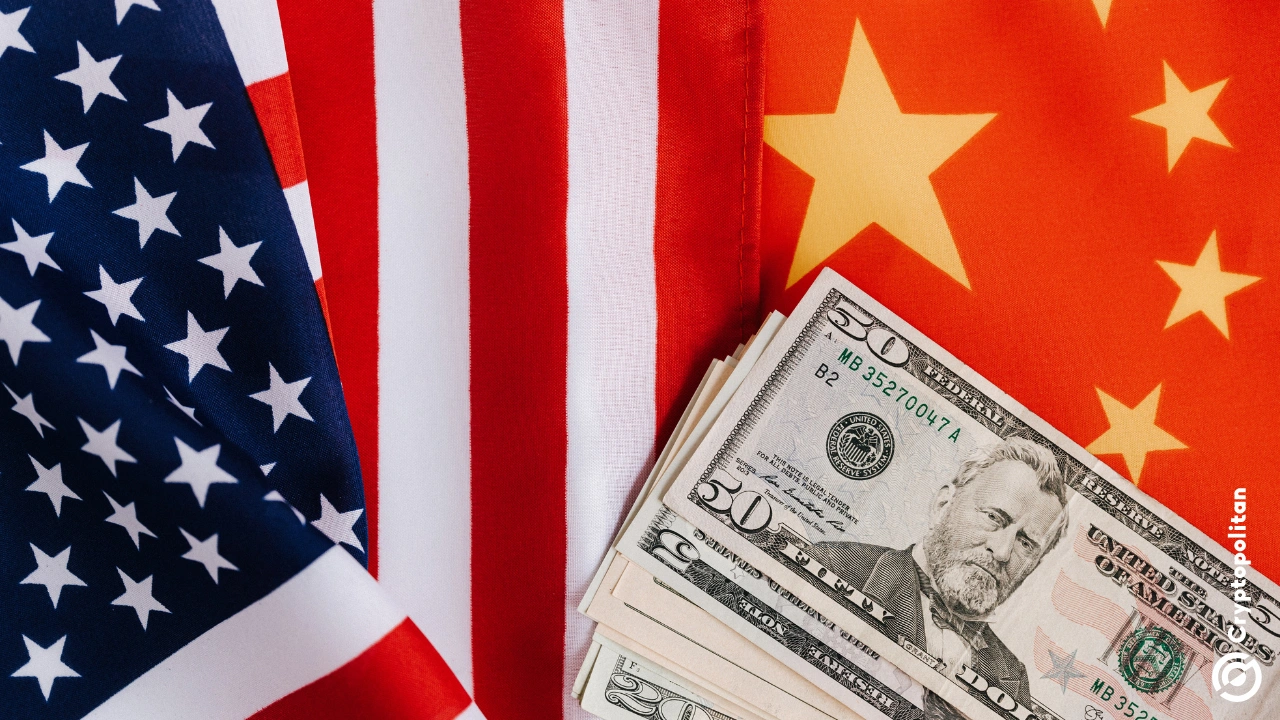
China and several European Union governments have halted the White House's release of a revised version of the OECD global minimum tax plan. The objections stem from proposed exemptions that would shield large American companies from certain aspects of the regime.
This resistance reignites the possibility of former President Donald Trump implementing a retaliatory "revenge tax" on foreign investment should negotiations fail. The dispute has been escalating for months within the group of 135 countries that originally agreed to the deal in 2021.
The current conflict follows extensive negotiations after a G7 decision in June. That agreement aimed to provide some protection to US companies from specific elements of the global minimum tax, a concession secured by Trump, who had threatened retaliation if the initial framework proceeded unchanged.
These carve-outs were intended to de-escalate tensions related to the Biden administration's tax plan, which sought to curb the global practice of corporate profit shifting.
However, the first pillar of the plan, concerning where large corporations pay taxes, has not yet been implemented anywhere. The second pillar, establishing a minimum tax rate, has faced internal resistance within the United States and has not been adopted by China.
International Objections to Tax Exemptions and Incentives
China voiced its initial objection as the OECD prepared to publish new documentation on Wednesday that would have formalized the G7 revisions. Beijing questioned why it was not granted the same treatment afforded to American multinational corporations.
The proposed package also included provisions to simplify compliance for businesses and a guide detailing which tax incentives would align with the new regulations. However, China's objections compelled the OECD to postpone the release indefinitely.
Poland and the Czech Republic also raised concerns during the negotiations, specifically regarding the wording that addressed the treatment of tax incentives. Both nations stated that the terms placed their governments at a disadvantage. These concerns amplified the growing opposition to Trump's proposed carve-out agreement.
Estonia subsequently introduced a broader set of complaints. Estonia's finance minister, Jürgen Ligi, argued that the plan could negatively impact Europe at a time when EU governments were advancing reforms, while other regions were not. Ligi contended that the limited tax revenue generated did not justify the increased administrative burden on European companies and questioned why Europe should continue to work on a framework that the United States itself had not adopted.
"We have not considered this initiative suitable for Estonia from the very beginning, and even less so now, when the US, who initiated this effort, has declined to implement it themselves," Ligi stated. "I told my US colleague when asked that we do not want anything other than what they want for themselves."
Negotiations Stall Amidst Warnings of Plan's Instability
Individuals involved in the negotiations indicated that these objections have not definitively ended the process, but they acknowledged that the delay jeopardizes the entire timeline. One official characterized the global minimum tax initiative as being "in the ICU."
Another described the situation using the term "grey smoke," signifying that discussions were stalled but not entirely dead.
The postponed publication occurs at a critical juncture, as governments are striving to reach an agreement on the new rules and the US carve-out. Failure to do so could lead to the collapse of the entire framework.
This issue is being closely monitored in Washington. Earlier in the year, Republican lawmakers drafted a proposal to impose a "revenge tax" on companies and investors from nations that implemented the original plan without US exemptions.
Lawmakers withdrew that threat after the G7 agreed to renegotiate the framework. However, with the revised deal now facing a blockade, the risk of that policy's resurgence has increased.
During a congressional hearing this month, Jason Smith, chairman of the House Ways and Means Committee, cautioned that patience was diminishing. "We have been patient to allow for all negotiating parties to have the space they need to reach agreement, but they must reach agreement," Smith stated.