


Key Points
- •Donald Trump's tariff policy is currently under review by the Supreme Court, with potential significant economic implications.
- •Tariffs are viewed by proponents as essential for safeguarding U.S. economic security and strengthening national defense.
- •The Supreme Court's decision is anticipated to have a substantial impact on the future dynamics of trade policy.
Trump Defends Tariff Policy Amidst Legal Challenges
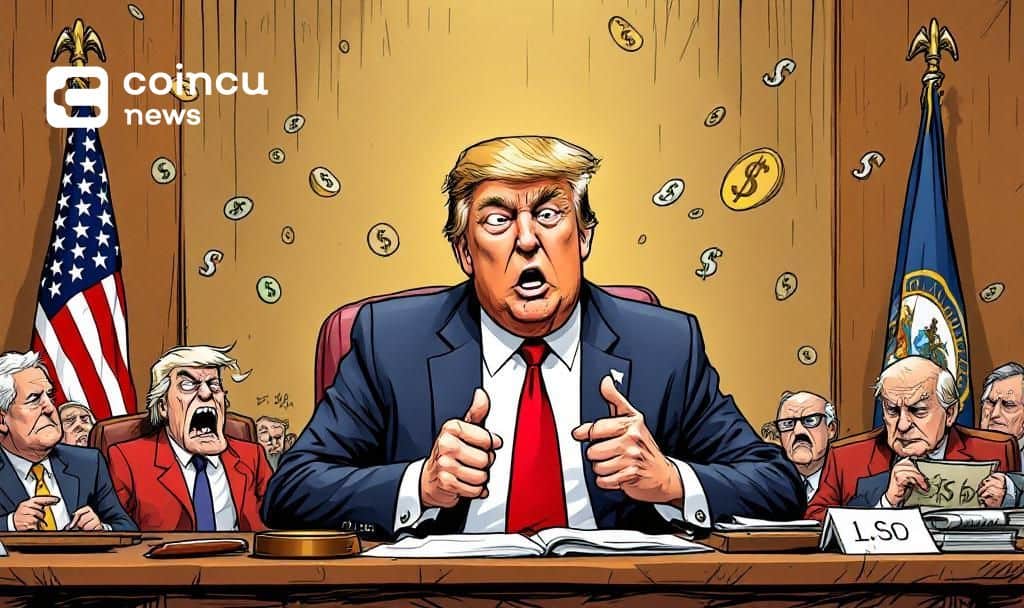
Donald Trump has publicly defended his administration's tariff policy, asserting its critical role in national security and economic strength. He communicated this stance via Truth Social, emphasizing the policy's direct and potent economic effects. Trump's strategy, which he characterized as "far more direct", is fundamentally aimed at revitalizing the domestic economy and securing vital supply chains.
The public discourse surrounding the impending Supreme Court's ruling has been marked by considerable tension. Many observers have voiced significant concerns regarding the potential for disruptions to financial markets and overall economic stability should the court decide to curtail these tariffs. Trump's recent statement serves to underscore the perceived seriousness and gravity of this legal assessment.
The tariff method now before the Supreme Court is far more direct, less cumbersome, and much faster for national security purposes.
Economic and Cryptocurrency Market Impacts of Tariffs
Historically, increases in tariffs have demonstrated a capacity to influence macroeconomic factors. These include broader economic growth, inflation rates, and expectations surrounding the value of the U.S. dollar. Such shifts can, in turn, affect market conditions for cryptocurrencies like Bitcoin and Ethereum.
Data from CoinMarketCap indicates that Bitcoin (BTC) was trading at $90,467.56, holding 58.57% of the cryptocurrency market's dominance. Despite a 1.38% decrease in the last 24 hours, its market capitalization reached $1.81 trillion. Over the past week, BTC experienced a 4.58% increase, though it saw a notable 11.30% decline over the preceding month.

Research conducted by the Coincu team suggests that a reduction in tariffs could lead to increased volatility within cryptocurrency markets. Historical patterns indicate a strong correlation between cryptocurrency price movements and significant macroeconomic shifts, which can influence market liquidity and overall investor sentiment. Nevertheless, ongoing technological advancements within the blockchain space may offer some resilience against these impacts.