


The United Arab Emirates has introduced a sweeping new financial law that, for the first time, brings decentralized finance (DeFi), Web3 businesses, and a broad range of digital-asset service providers under direct regulatory oversight.
The framework, detailed in Federal Decree Law No. 6 of 2025, marks one of the region’s most significant policy shifts for crypto, according to legal experts.
The law, which became legally effective on September 16, 2025, upon publication in the UAE’s Official Gazette, updates the country’s central bank regulations to include financial institutions, insurance activities, and digital-asset-related services.
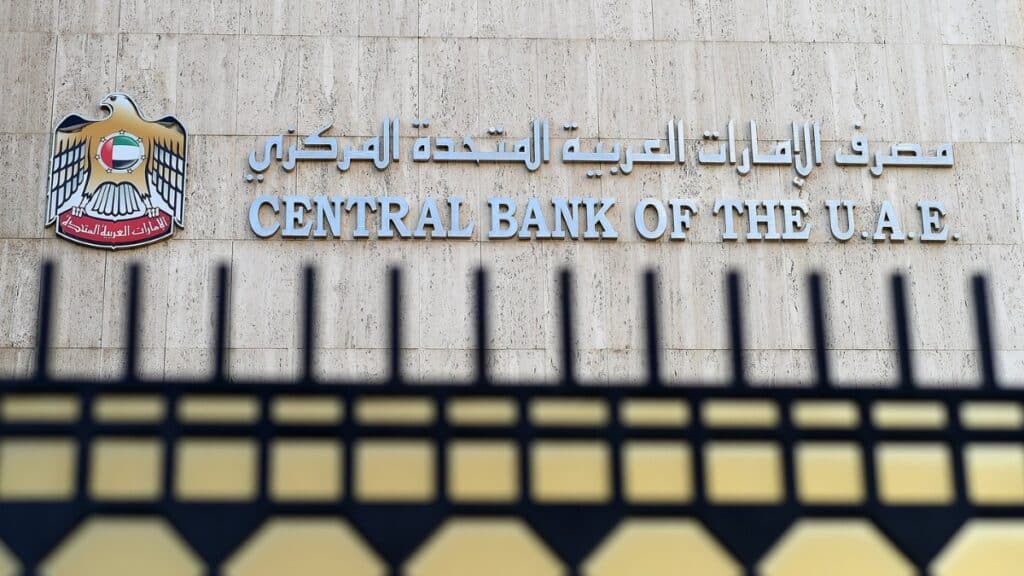
Its provisions outline a wide set of activities that now fall under the perimeter of the Central Bank of the UAE (CBUAE) and therefore require licensing.
Expert Analysis on Regulatory Impact
Irina Heaver, a prominent crypto lawyer and founder of NeosLegal, told Cointelegraph that the new law represents “one of the most consequential regulatory shifts” for the digital-asset sector in the UAE.
“It brings protocols, DeFi platforms, middleware, and even infrastructure providers into scope if they enable activities such as payments, exchange, lending, custody, or investment services,” she said.
Key Provisions and Scope Expansion
A particularly important component is Article 61 and Article 62, which enumerate the activities that require a CBUAE license.
Article 62 broadens the scope significantly by stating that any entity or individual conducting or facilitating a licensed financial activity, ‘through any means, medium, or technology,’ comes under the central bank’s regulatory authority. This phrasing effectively captures decentralized protocols and blockchain-based services that previously operated in ambiguous legal territory.
Implications for the Industry and Compliance Timeline
For the industry, the implications are far-reaching. Heaver emphasized that crypto and Web3 projects building or operating in the UAE should view this as a pivotal compliance milestone. Firms have until September 2026 to align their internal systems, operational models, and licensing requirements before the transition period ends.
The regulatory update signals the UAE’s commitment to integrating digital-asset innovation within a structured oversight framework, balancing growth with consumer protection and institutional accountability.