


A Major Breach and Immediate Response
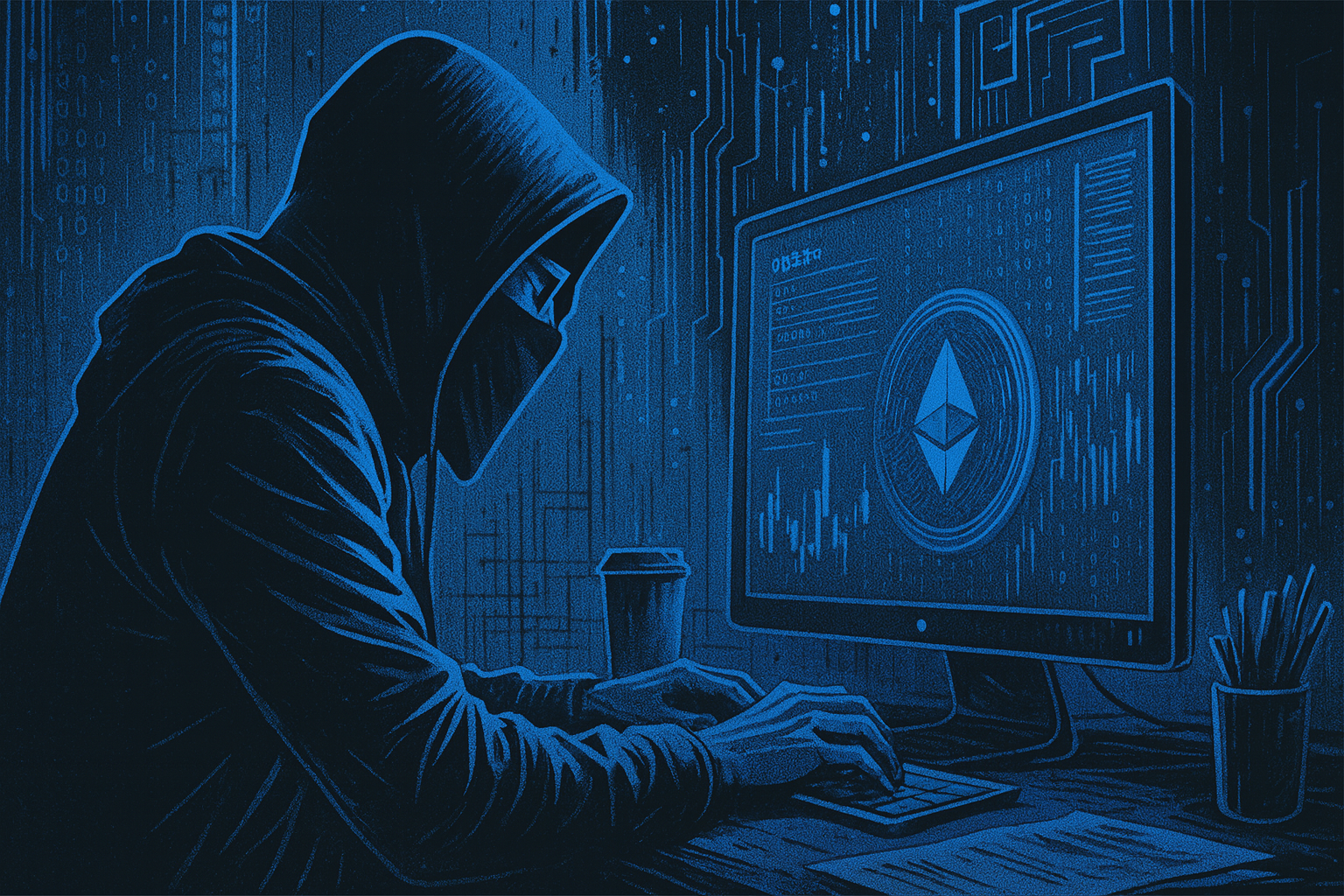
Upbit, South Korea’s largest cryptocurrency exchange, has confirmed a major security breach in which attackers stole roughly 44.5 billion KRW ($32–38 million) worth of Solana-based tokens on November 27, 2025. The incident has reignited concerns over hot-wallet vulnerabilities and shaken confidence across the Korean crypto market.
According to Upbit operator Dunamu, the unauthorized withdrawals were detected quickly, prompting the exchange to freeze deposits and withdrawals and move remaining assets to cold storage. CEO Oh Kyung-seok reassured users that all losses will be covered in full using Upbit’s own reserves, stating: “We immediately identified the extent of the digital asset outflow… and will cover the entire amount with Upbit assets to ensure no damage to members.”
The exchange has since partnered with local law enforcement and blockchain security firms to track and freeze the stolen funds.
Impact on Solana Markets and Korean Traders
The hack triggered sharp disruptions in trading activity, particularly on Solana-based tokens, which began trading at notable premiums on Upbit. With arbitrage bots halted and deposits disabled, Korean prices temporarily drifted far above global averages.
Market sentiment also weakened, with Solana and related ecosystem tokens experiencing immediate price declines internationally as traders reacted to news of the breach.
Historical Context and Outlook
This is not Upbit’s first major incident—the exchange was previously hacked in 2019, an attack later linked to North Korean state-backed groups. The recurrence has reignited debate about hot-wallet security standards in centralized exchanges.
In response, Upbit says it is accelerating system audits and reviewing infrastructure upgrades. Industry analysts expect the breach to influence upcoming security guidelines, exchange risk management frameworks, and wallet-segmentation standards in South Korea.