


Key Points
- •U.S. bailout for Argentina shifts economic paradigms globally.
- •President Javier Milei's reforms face intense scrutiny.
- •Global markets and local crypto interests react cautiously.
Bailout Details and Economic Philosophy
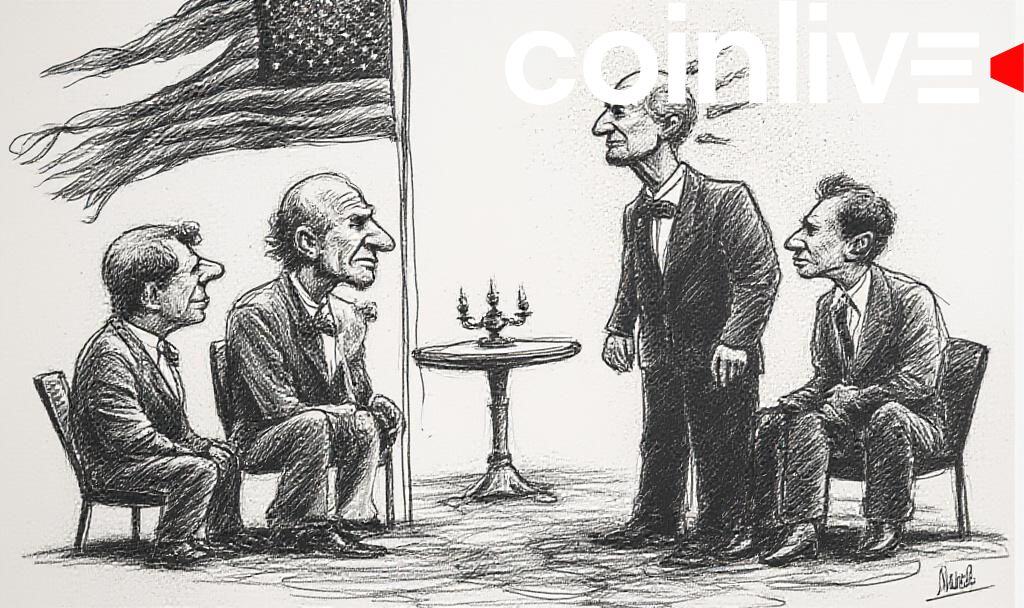
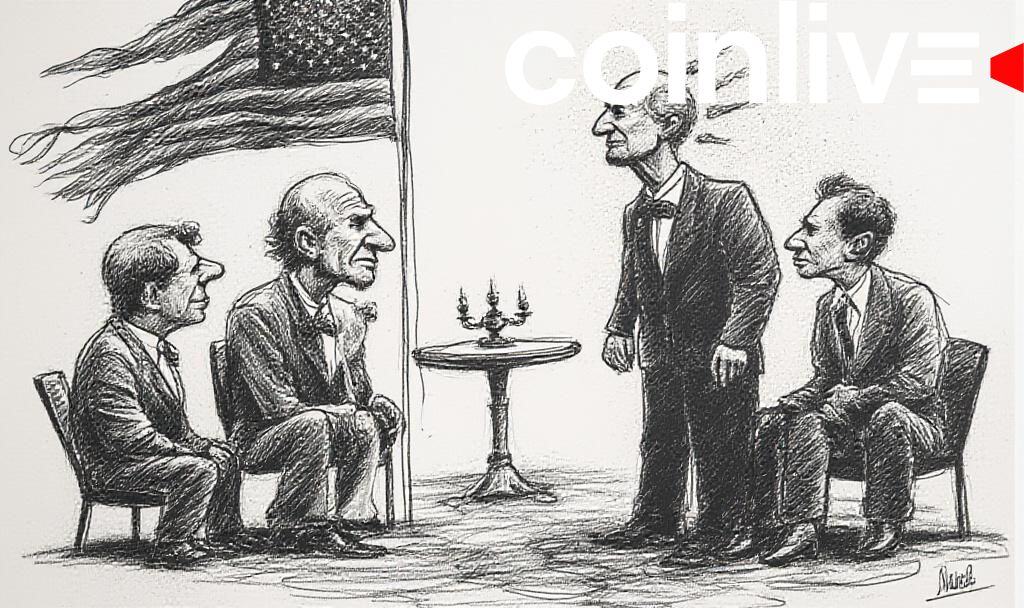
The U.S. has approved a $20 billion bailout for Argentina, targeting President Javier Milei’s libertarian reforms with a significant financial intervention directed by President Donald Trump.
The bailout challenges Argentina's libertarian model, raises regional geopolitical stakes, and prompts skepticism among global markets regarding the peso's stabilization.
The U.S. sanctioned a $20 billion bailout for Argentina, targeting monetary stability. This measure comes as President Javier Milei implements radical libertarian reforms. Controversial among economists, it suggests a shift in Argentine economic philosophy.
Involved parties include President Javier Milei, U.S. President Donald Trump, and Treasury Secretary Scott Bessent. The bailout orchestrated by Bessent potentially stabilizes the Argentine peso. Strategic implications include renewed U.S. influence over South American economic affairs. As Scott Bessent, U.S. Treasury Secretary, highlights, "On Wednesday he classified the bailout as part of an 'economic Monroe Doctrine,' alluding to...James Monroe, who claimed a broad U.S. sphere of influence in North and South America in the 1820s. Bessent said propping up Argentina would influence coming elections in Colombia and Chile as well as domestic politics elsewhere in the region — and help counter China’s attempts to build deeper economic ties on the continent."
Market Reactions and Investor Sentiment
The immediate impact is observed as a halt in the Argentine peso’s decline. Market movements show investors shifting from local bonds while global firms anticipate better returns. However, skepticism remains about the longevity of Milei's policies.
This financial maneuver places Argentina under further dollar dependence, questioning the future of its libertarian policies. The political implications are significant as they may sway regional elections, contend experts.
Historical Context and Future Outlook
Concerns about the bailout's effectiveness echo past economic band-aids. Argentina has witnessed over 20 such support packages, with recurring cycles of economic instability. Future financial dynamics are uncertain, with crypto alternatives gaining traction amid fiscal volatility.
Possible financial outcomes include increased stablecoin demand amidst peso volatility, as Argentines potentially seek refuge in crypto assets like Bitcoin and Ethereum. U.S. influence could pose regulatory challenges, impacting technological adoption negatively.