


Regulatory Shift on Digital Asset Interaction
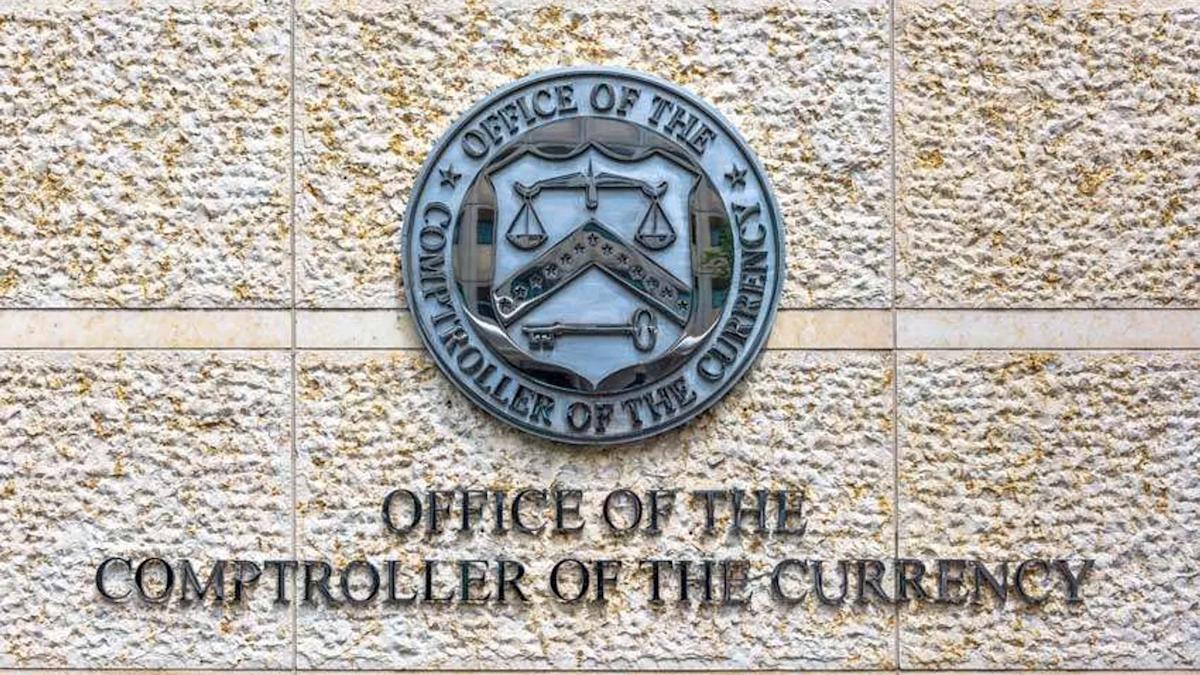
The Treasury Department's Office of the Comptroller of the Currency (OCC) has authorized national banks to maintain cryptocurrency holdings specifically for paying blockchain network fees. This regulatory guidance, issued on Tuesday, represents a significant shift in how traditional financial institutions can interact with digital assets under federal oversight.
Expanded Authorization for Banks
Banks are now permitted to store digital assets on their balance sheets to cover transaction costs on blockchain networks, according to Interpretive Letter 1186 released by the OCC. This authorization also extends to holding crypto for testing permissible platforms related to digital asset services.
Adam Cohen, senior deputy comptroller and chief counsel at the OCC, stated that this policy allows banks to expand existing activities without exposing themselves to operational risks associated with acquiring crypto through third-party providers. The regulator emphasized that all such activities must comply with safety and soundness standards under applicable law.
Addressing Transactional Complexities
The guidance referenced Ethereum as a specific example, noting that Ethereum network transactions must be denominated in its native token. Without the ability to hold Ethereum directly, banks would have faced increased complexity and costs, requiring them to maintain separate accounts, execute spot trades before each transaction, or engage third-party fee providers.
Building on Previous Guidance
This new authorization builds upon guidance issued in May, which permitted banks to custody digital assets for customers and outsource certain crypto operations. Both policy updates reflect a reduction in regulatory restrictions on financial institutions, aligning with the Trump administration's approach to digital asset oversight.
Context of the GENIUS Act
The OCC cited the GENIUS Act, signed into law in July, as a key piece of context for these new permissions. This stablecoin legislation established a regulatory framework for payment stablecoins, and transactions at authorized banks will likely require network fees that can now be paid from crypto held in custody or through agents.
The implementation of the GENIUS Act is still months away, as the Treasury Department and the Federal Reserve are in the process of finalizing its regulations. Concurrently, the Senate is engaged in negotiations for a digital asset market structure bill, which industry participants consider potentially more significant than existing crypto legislation.
Reversal of Previous Restrictions
This policy effectively reverses restrictions imposed during the Biden administration, which had required banks to obtain regulatory approval before engaging in most crypto activities. Previous guidance from the FDIC and other regulators had discouraged federally chartered banks from interacting with permissionless blockchain networks, such as Ethereum.
Risk Management Clarifications
The OCC also removed references to reputation risk from its handbooks and guidance materials. While the bureau stated this would not alter expectations for how banks manage other categories of risk, it represents a broader shift in its approach to digital assets. Separately, the regulator has clarified that banks are permitted to buy and sell crypto assets on their own behalf.