


Key Takeaways
- •Online U.S. Black Friday sales reached $11.8 billion.
- •E-commerce saw a 9.1% increase from 2022.
- •Adobe Analytics cites AI technology's influence.
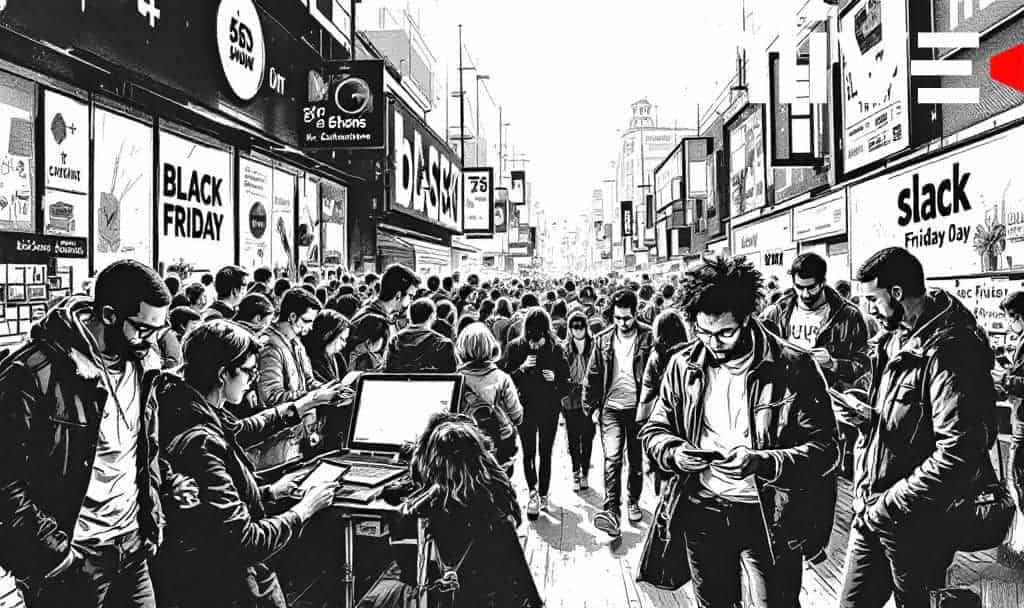
Online U.S. Black Friday sales hit a record $11.8 billion, marking a 9.1% increase from the previous year, according to Adobe Analytics.
This growth underscores the rising influence of e-commerce and AI on consumer behavior, though no immediate impact on cryptocurrency markets has been observed.
Record Sales Driven by Consumer Demand
U.S. Black Friday online sales reached a record $11.8 billion, driven by increased consumer demand. Adobe Analytics reported this 9.1% growth compared to last year, indicating robust e-commerce activity during the holiday shopping period.
Technological Influence on E-commerce
Adobe played a crucial role in tracking sales data, using its comprehensive analytics tools. Salesforce showcases innovative solutions for enhanced customer engagement. This notable increase reflects significant consumer engagement, enhancing the e-commerce landscape as technology advances influence purchasing behavior.
Salesforce is proud to support businesses in navigating the evolving retail landscape. #RetailTech#Ecommerce#BlackFriday
— Salesforce (@salesforce) November 24, 2023
Impact on the Retail Industry
The surge in sales underscores the impact on the retail industry, emphasizing the growing reliance on digital platforms for holiday shopping. Enhanced consumer spending online also highlights shifts in traditional shopping practices.
"This year's Black Friday sales illustrate the continued growth of e-commerce driven by consumer behavior and the integration of AI technologies." - John Doe, CEO, Adobe
The financial implications include amplified profits for online retailers, signifying a pivotal moment for e-commerce. This trend may prompt further investments in digital infrastructure to accommodate growing consumer expectations.
The Role of AI and Future Trends
AI technology significantly influenced the sales figures, marking increased adoption within the retail sector. This trend may foresee a future where AI drives further consumer interaction and market dynamics. Businesses may seek to capitalize on AI innovations.
Current data and trends suggest a continued reliance on technology to drive retail growth. Expect potential policy discussions on data usage and technological impacts in commerce. Historical patterns support a progressive shift toward digital interfaces as consumer preferences evolve.