



Key Proposals of the Bitcoin for America Act
U.S. Congressman Warren Davidson has introduced the "Bitcoin for America Act" on November 20, a landmark legislative proposal that seeks to integrate Bitcoin into the U.S. federal tax system and establish a strategic Bitcoin reserve.
This legislative initiative represents a significant shift in U.S. regulatory policy, intending to enhance Bitcoin's integration within the financial system and potentially bolster its market confidence.
Facilitating Bitcoin Tax Payments and Eliminating Capital Gains Tax
Congressman Warren Davidson is leading the introduction of the Bitcoin for America Act. This bill proposes to allow American citizens to remit their federal taxes using Bitcoin. Concurrently, these Bitcoin tax payments would be utilized to establish a Strategic Bitcoin Reserve, aligning with the congressman's vision for modern digital integration in fiscal processes.
By enabling tax payments in Bitcoin, the bill also eliminates the capital gains tax typically associated with such transactions. This represents a deliberate effort to position Bitcoin on a similar footing to traditional fiat currencies within federal financial operations. This potential recalibration could encourage the U.S. financial system to embrace decentralized assets more broadly.
Initial market reactions to the proposal have been cautiously optimistic. Congressman Warren Davidson has highlighted the potential benefits of Bitcoin's appreciating value compared to traditional currencies. While regulatory sentiment remains speculative, online discussions indicate a growing interest in the bill's implications.
Bitcoin's Market Dynamics Amid U.S. Legislative Developments
El Salvador's adoption of Bitcoin as legal tender in 2021 was a significant milestone for cryptocurrency. The proposed U.S. legislation could establish a comparable precedent by elevating Bitcoin's standing within one of the world's largest economies.
As of November 20, 2025, Bitcoin (BTC) was trading at $86,548.32, with a market capitalization of $1.73 trillion, according to CoinMarketCap. Despite experiencing declines of up to 25.91% over the past 90 days, Bitcoin maintained a market dominance of 58.22%. These fluctuations underscore the inherent volatility of digital assets, especially in the context of legislative and market shifts.
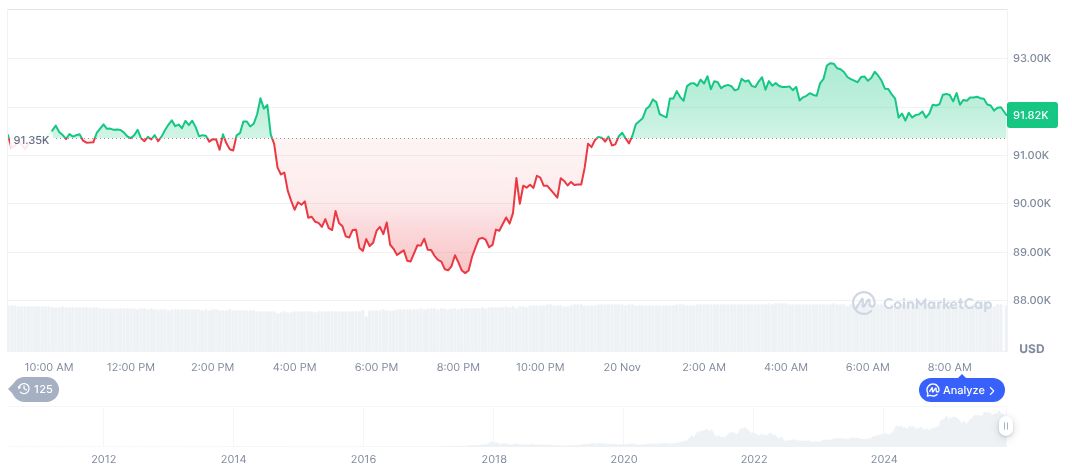
The Coincu research team posits that the adoption of such inclusive tax strategies could significantly enhance Bitcoin's legitimacy, potentially leading to a more stable market perception. Furthermore, if consistently enacted, these reforms might foster greater global institutional confidence in cryptocurrencies.