


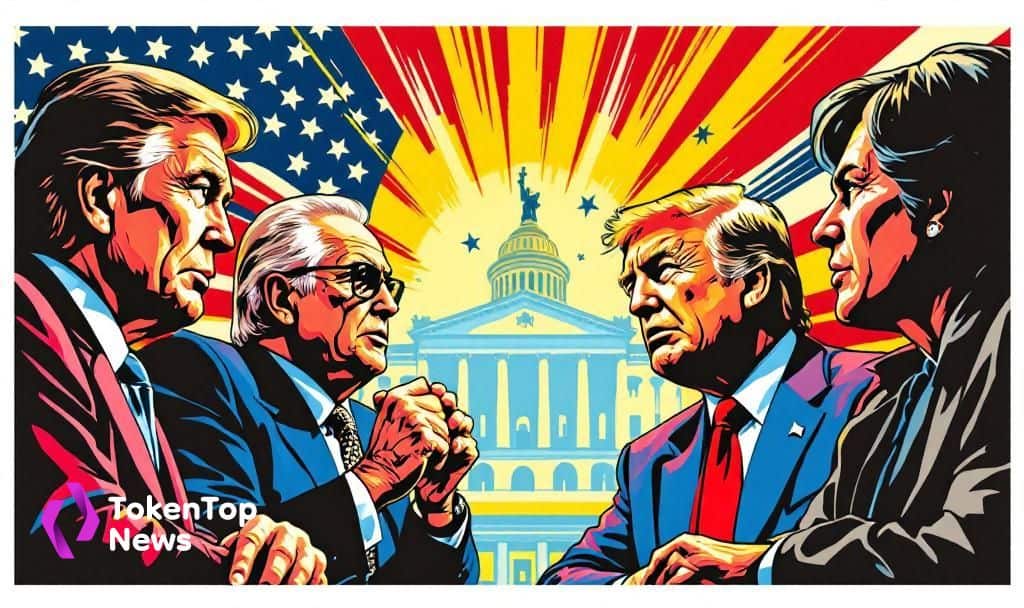
Key Developments in Cryptocurrency Regulation
The US Senate has postponed its highly debated cryptocurrency bill, a move that has drawn significant opposition from key industry leaders and raised concerns about regulatory clarity. Senate Banking Committee Chair Tim Scott, who had previously aimed for a markup of the bill, has hesitated due to conflicting views within both the Senate community and the broader crypto industry.
This delay is expected to significantly impact the market classifications and regulatory oversight of key cryptocurrencies, including Bitcoin (BTC), Ethereum (ETH), and stablecoins. The bill's postponement marks a pivotal moment in the ongoing efforts to establish clear governance for digital assets in the United States.
Industry Opposition and Concerns
Prominent figures within the cryptocurrency sector have voiced strong criticism of the proposed legislation. Brian Armstrong, CEO of Coinbase, has been particularly vocal, opposing potential limitations on the authority of the Commodity Futures Trading Commission (CFTC) and restrictive provisions related to stablecoins. Armstrong has argued that the introduction of a poorly constructed bill could be more detrimental than having no legislation at all.
The crypto industry leaders' opposition highlights a fundamental disagreement over the bill's approach, with many advocating for revisions that would foster innovation rather than stifle it. Reports indicate that lobbying efforts by the crypto industry to influence the bill's outcome have exceeded $100 million.
Political Ramifications and Lobbying Influence
The political landscape surrounding the crypto bill has also seen significant commentary. Senator Elizabeth Warren has criticized the perceived influence of the industry on the bill's drafting process. She stated, "Evidently, the industry writes the bill and if anybody in Congress has the nerve to slightly amend it, the industry says that the whole thing is off and they have canceled the law. These are folks who think that when they've bought themselves a Congress, then they expect it to behave the way they say."
These discussions underscore broader concerns regarding the impact of financial lobbying and the delicate balance between government regulation and the drive for industry innovation. The interaction between lawmakers and industry representatives, including meetings scheduled for January 17, 2026, between US Senate Democrats and crypto leaders like Brian Armstrong and Summer Mersinger, will be crucial in shaping the future of cryptocurrency regulation.
Anticipated Market Reactions and Future Precedents
The US crypto industry is closely anticipating potential regulatory shifts, which could trigger immediate reactions across financial markets, influencing liquidity and investment flows. Concerns regarding deposit flight have reignited debates, echoing past discussions about limits on stablecoin interest.
The outcome of this legislative process could set historical precedents for future cryptocurrency legislation. Market stakeholders are actively pushing for amendments to create a more inclusive framework that aligns with technological advancements and consumer needs, drawing parallels with previous governance efforts in the financial sector.