


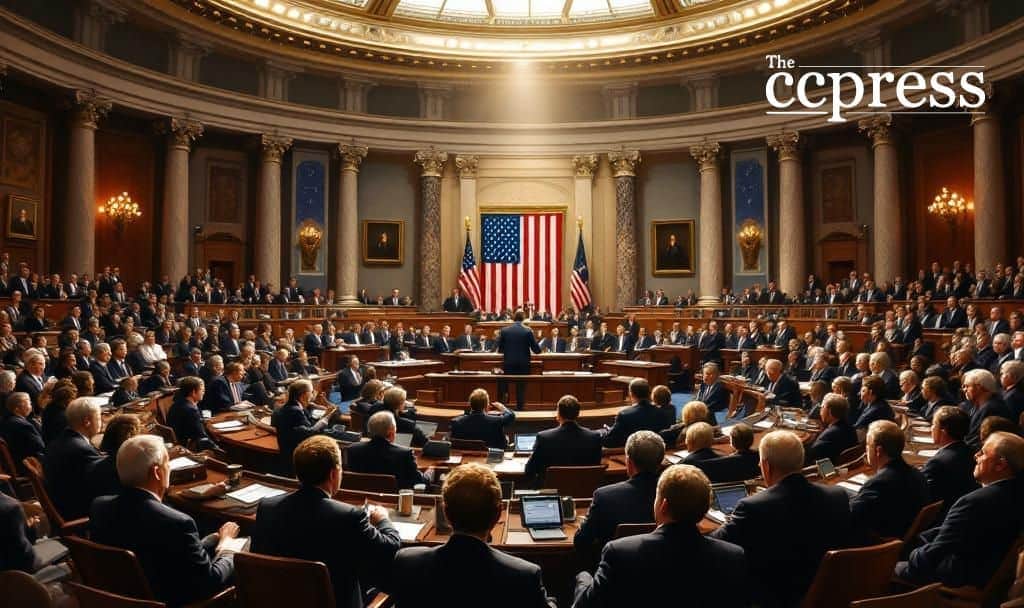
Deal Reached to End Shutdown
The Senate has achieved a bipartisan agreement to conclude the U.S. government shutdown. A critical procedural vote is anticipated on Sunday to finalize the deal, which addresses federal layoffs and includes tax credit considerations. Leadership's swift action reflects ongoing cooperation in Congress.
Senate Democrats, alongside President Trump, are pivotal in advancing this deal. The package seeks to reverse federal layoffs, highlighting the government’s responsiveness. Key Senate leaders are utilizing their roles to advance bipartisan dialogue during this government challenge.
Market Implications of the Shutdown's End
The shutdown's end is anticipated to stabilize markets temporarily, addressing immediate governmental and economic disruptions. With funding extending into January, the agreement also restores federal operations, ensuring continued government services delivery amid fiscal concerns.
"A handful of Senate Democrats on Sunday indicated they are ready to advance a package of bills that could end the government shutdown,"
noted Chuck Schumer, Senate Majority Leader and Senate Democrats. Financially, the package provides a short-term funding extension and discusses future tax credit adjustments. Analysts note historical precedence, as earlier shutdowns often resulted in short-lived market volatility without lasting impacts on major cryptocurrencies like Bitcoin or Ethereum.
Future Prospects and Crypto Market Resilience
The potential for further market stability exists as the deal moves forward. Future ACA tax credit votes in December signal possible continuing fiscal modifications. Previous shutdowns have shown minor delays in regulatory activities, yet the crypto market exhibits resilience with no immediate repercussions noted.
Insights highlight potential changes in financial, regulatory, or technological outcomes due to this governmental action. Past instances indicate that while regulatory review may pause, cryptocurrencies often remain unaffected by short-term government funding lapses, without significant price adjustments, as historical data supports.